



Rare Earth Shortages Threaten Aerospace and Semiconductor Industries Amid U.S.-China Trade Tensions
Rare earth shortages, primarily yttrium and scandium, are critical challenges for U.S. aerospace and semiconductor industries due to Chinese export controls. This ongoing issue impacts engine coatings and 5G chip production, while political talks aim to ease limitations and explore alternative supply chains.
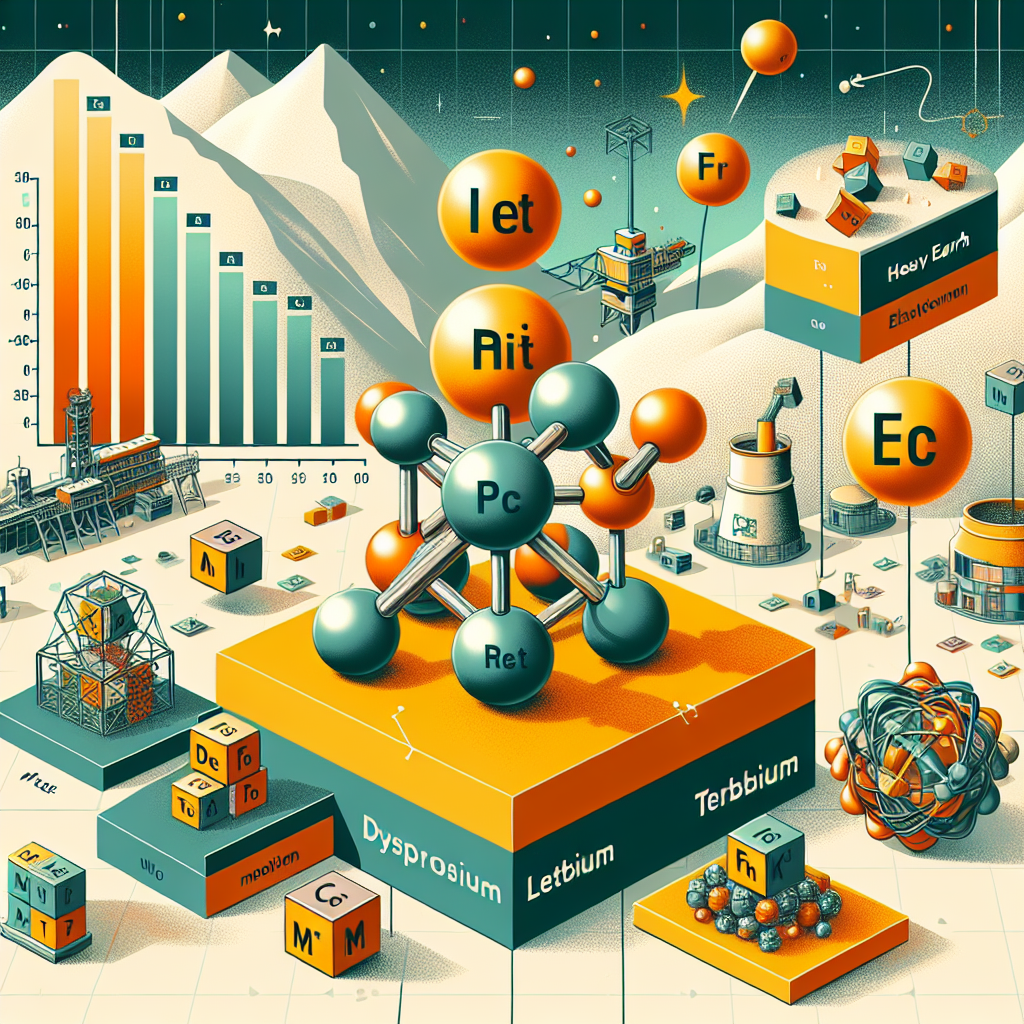
The persistent shortage of rare earth elements like yttrium and scandium is threatening the U.S. aerospace and semiconductor sectors, as China holds a near-monopoly in their supply. The scarcity may impede production, despite the easing of some trade tensions between the U.S. and China.
Yttrium is essential for producing aerospace coatings, crucial for protecting engines from extreme temperatures, while scandium is significant in semiconductor technologies, particularly in manufacturing 5G chips. Since the reporting of yttrium shortages in November, prices have increased by 60%, leading firms to ration resources.
As U.S. President Trump plans to meet Chinese President Xi to discuss mineral export restrictions, the industries eagerly await resolutions. Meanwhile, companies are exploring alternative supply lines and seeking governmental assistance to ensure future operations are not hindered by these critical shortages.
(With inputs from agencies.)
- READ MORE ON:
- rare earths
- yttrium
- scandium
- aerospace
- semiconductor
- China
- exports
- trade tensions
- 5G
- coatings
ALSO READ
Xi Jinping’s Vision for a Greener China Amid Global Energy Shocks
Taiwanese Students Defy Warnings, Participate in China Exchange Programs
Bridging Borders: China's New E-commerce Policy Amidst EU Concerns
China's New E-Commerce Blueprint: Bridging Domestic Growth and Global Markets
Malawi Harnesses Nuclear Science to Boost Food Safety, Strengthen Exports and Protect Consumers


 Google News