



ISRO's Heaviest Satellite Launch: A New Milestone in Space Technology
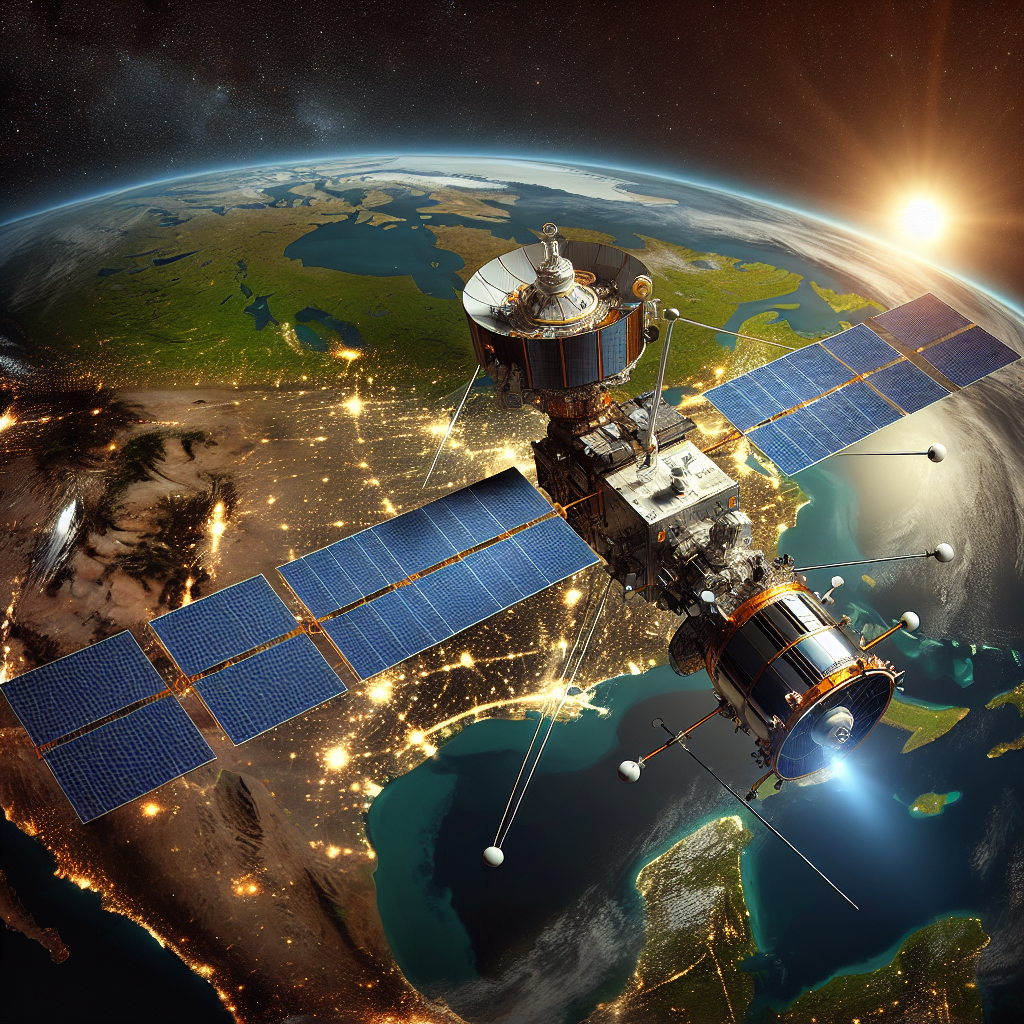
ISRO is set to launch its heaviest satellite, CMS-03, using the indigenously developed LVM3-M5 rocket. This milestone marks India's growing self-reliance in space technology, as the satellite lifts off into a Geosynchronous Transfer Orbit. Previously, heavier satellites were launched using Europe's Arianespace rockets.
- Country:
- India
India is on the brink of a significant leap in its space exploration capabilities with the launch of its heaviest satellite, CMS-03. The Indian Space Research Organisation (ISRO) will deploy its advanced rocket, LVM3-M5, also known as 'Bahubali,' to propel the 4,410 kg satellite into a Geosynchronous Transfer Orbit (GTO).
This launch, scheduled for Sunday, highlights ISRO's stride towards self-reliance, reducing its dependency on international collaborations, such as with Arianespace, for satellite launches. Previously, such missions required the use of external launch sites like French Guiana.
The LVM3-M5 rocket, with its robust design incorporating solid motor strap-ons, a liquid propellant stage, and a cryogenic stage, exhibits India's engineering prowess. As ISRO's fifth operational flight for this kind of payload, it showcases India's progressing space ambitions and technical mastery.
(With inputs from agencies.)
ALSO READ
Empowering Women Leaders: Kiran Bedi Advocates for Inclusivity and Self-Reliance
China's Push for Indigenous Police Dogs: A Leap Towards Self-Reliance
India's Push for Self-Reliance: New Scheme to Boost Domestic REPM Manufacturing
Piyush Goyal Highlights 11 Years of Energy Reforms, Self-Reliance and Sustainability


 Google News