



India's Next-Gen Chip Revolution: Pioneering Angstrom-Scale Semiconductors
The Indian Institute of Science (IISc) proposes a groundbreaking project to develop angstrom-scale chips using 2D materials, positioning India as a leader in next-generation semiconductors. The project seeks Rs 500 crore funding over five years, aiming to overcome global reliance on silicon-based technologies.
- Country:
- India
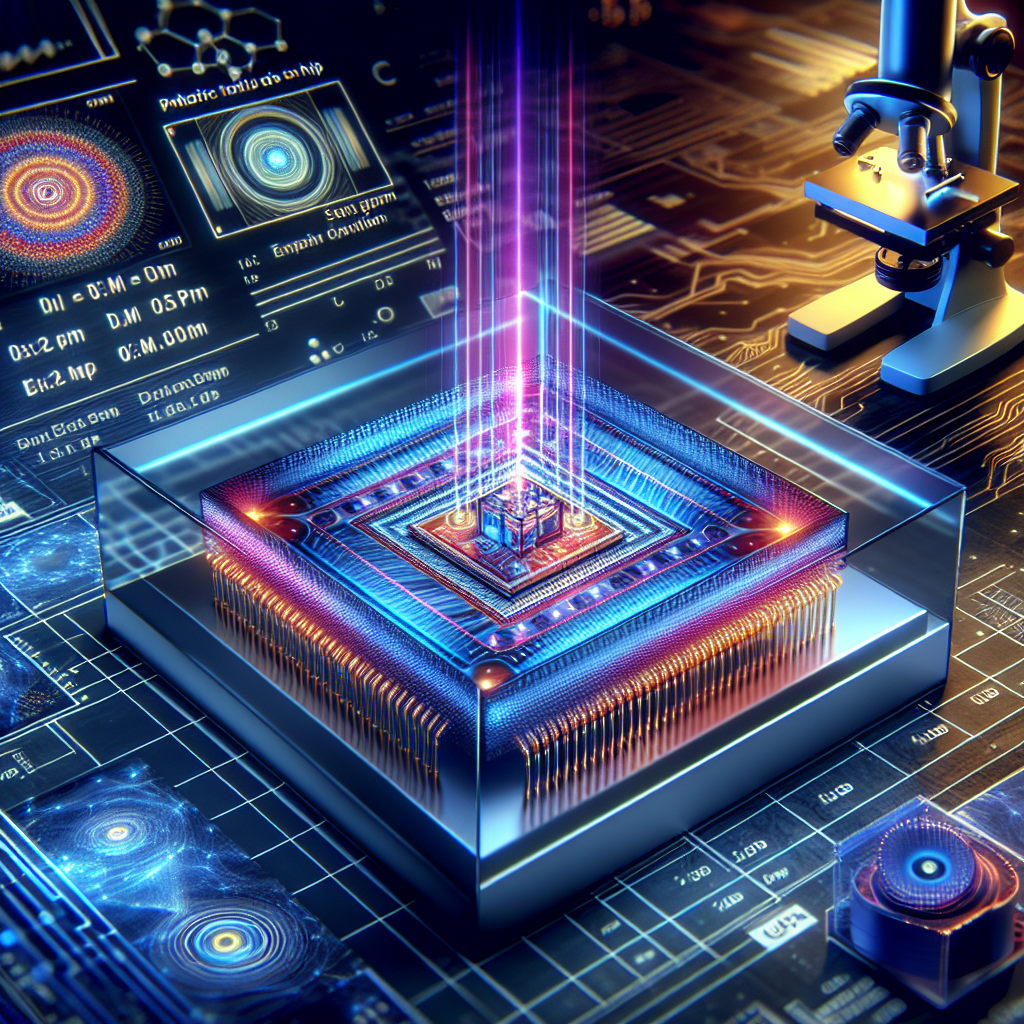
A team of scientists from the Indian Institute of Science (IISc) has put forward a pioneering proposal to the Indian government to forge a new frontier in semiconductors by developing angstrom-scale chips. This ambitious initiative could position India at the forefront of the global semiconductor industry.
The project focuses on utilizing emerging 2D materials, such as graphene and transition metal dichalcogenides. These materials can enable chip production at sizes much smaller than the currently used technologies, challenging the dominance of countries like the US, South Korea, and Taiwan, which lead in silicon-based chip manufacturing.
Presented to the Ministry of Electronics and IT, this project is a collaborative effort that will require substantial government funding and support. Despite needing Rs 500 crore over five years—a modest sum compared to other global investments—the initiative could pave the way for India's self-reliance in semiconductor technology, with a roadmap for future sustainability.
(With inputs from agencies.)
ALSO READ
Cyber Slavery: Rescue and Repatriation of Indian Victims
Indian Super League Clubs Push for Perpetual Ownership: AIFF Sets Up Resolution Committee
Championing the Indianisation of Law: Justice Maheshwari's Vision
Saluting Courage: The Indian Army's Unyielding Spirit on Army Day
Government Lowers Stake in Indian Overseas Bank with Successful Share Sale


 Google News