



German Auto Industry Faces Troubling Times Amid New U.S. Tariffs
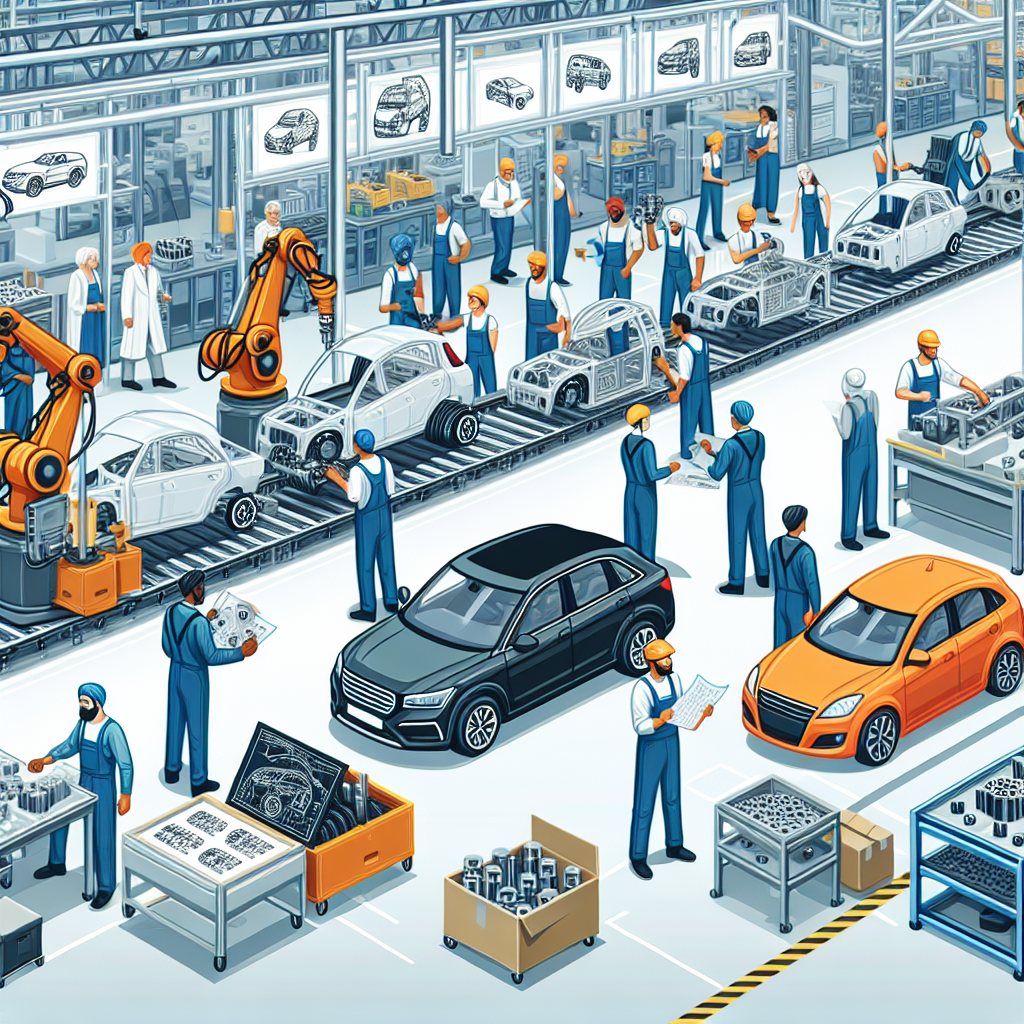
The U.S. decision to impose 25% tariffs on imported vehicles has raised concerns among German automakers. Shares in major German automotive companies fell as a result, with industry leaders urging immediate talks between the U.S. and EU. However, despite the tariffs, Germany may not suffer severely economically.
- Country:
- Germany
Shares in German automakers and suppliers dipped in pre-market trading Thursday, following the U.S. President's announcement of 25% tariffs on imported cars, posing a threat to Germany's beleaguered auto sector. Notable declines included BMW dropping 2.3% and Daimler Truck decreasing by 1.9%, as reported by Lang & Schwarz pre-market data. Additionally, parts supplier Continental saw a 3.9% drop.
The new tariffs were fiercely criticized by Germany's VDA car lobby, labeling them a "fatal signal" for free, rule-based trade and predicting them to adversely affect companies and global supply chains. "The German automotive industry is urging immediate negotiations between the U.S. and the EU for a bilateral agreement," stated VDA president Hildegard Mueller.
Nevertheless, research by the IfW economic institute suggests Germany won't be the hardest-hit economically by these tariffs, according to the FAZ newspaper. The institute anticipates that German GDP will shrink by just 0.18% in the first year post-tariff, compared to a -1.81% impact in Mexico and -0.6% in Canada. "Export losses are limited as cars are often manufactured near their sales markets," commented IfW trade economist Julian Hinz to FAZ.
(With inputs from agencies.)
ALSO READ
CPI(M) Leader Calls for Unity Against Subcontinental Religious Violence
Indian Boxer Faizan Anwar Clinches WBA Intercontinental Title After Thrilling Bout
Safonov's Heroics Lead PSG to Intercontinental Glory
Safonov's Heroics: PSG Clinch Intercontinental Cup in Dramatic Fashion
PSG Seeks Historic Double With Intercontinental Cup Win


 Google News