



Breathing Clean: India's Battle Against Air Pollution
India's air quality lags behind WHO standards, with 41% of households using biomass fuels, leading to health issues. WHO's Dr. Maria Neira calls for scaling up programs to reduce pollution. Initiatives like transitioning to cleaner energy and educating medical professionals on air pollution are crucial.
- Country:
- India
An official from the United Nations body has raised concerns over India's air quality, stating it falls short of WHO standards, with a significant portion of the population still using biomass fuels. This reliance leads to numerous deaths annually, according to Dr. Maria Neira, Director of Environment, Climate Change, and Health at WHO.
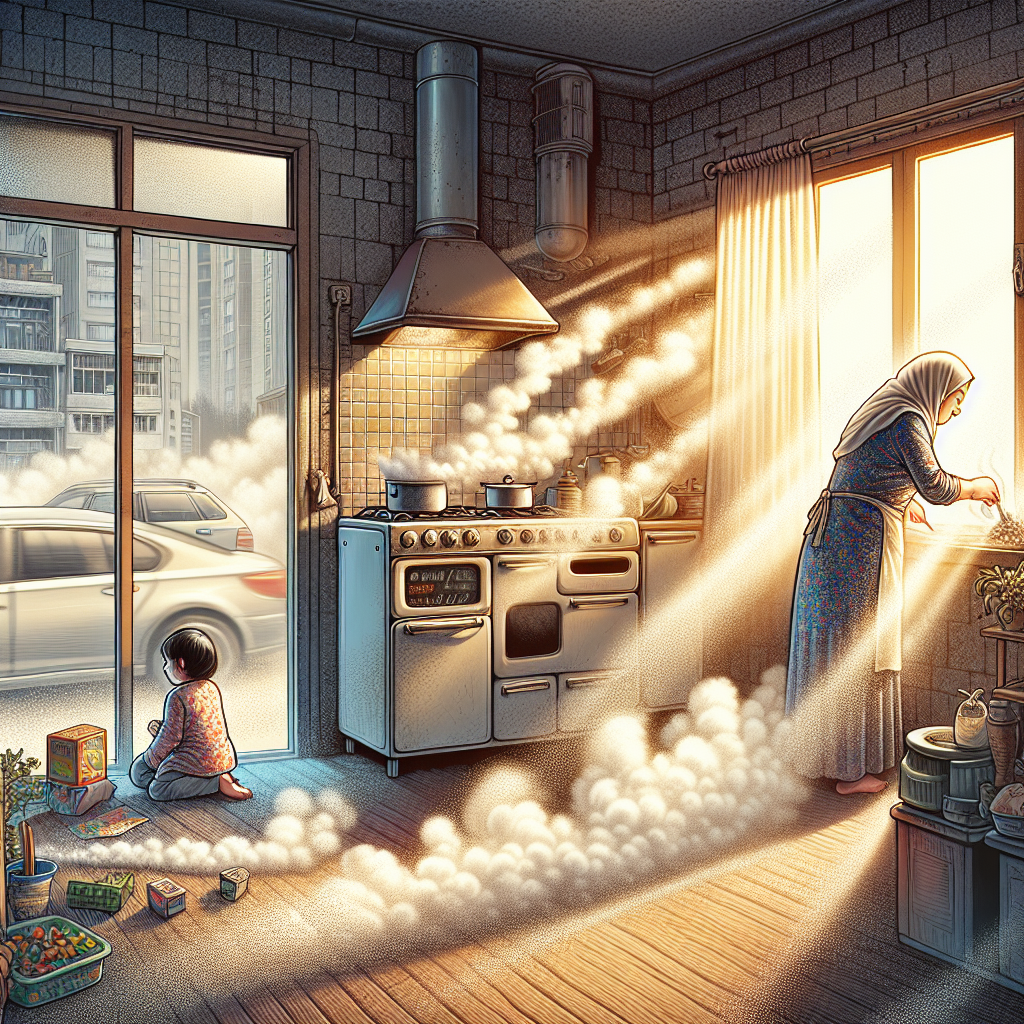
In an interview with PTI Videos, Dr. Neira emphasized the need to enhance existing programs targeting household air pollution from biomass fuel usage. She urged Indian authorities to accelerate and expand the implementation of solutions like LPG access and subsidies, highlighting the health benefits of transitioning to cleaner energy sources.
Dr. Neira also pointed out that air pollution significantly contributes to noncommunicable diseases, urging for political engagement to meet WHO's air quality standards. She expressed optimism about India's potential to lead by example, given the country's resources and innovation capabilities, pushing for a fair transition to renewable energy and clean air initiatives.
(With inputs from agencies.)
ALSO READ
India Expands AIIMS: A Commitment to Quality Healthcare
Transforming Medical Education: India's Healthcare Evolution
Khaleda Zia's Health Stabilizes Amid Medical Challenges
A Glimpse into America's Domestic Tides: Health, Governance, and Economic Shifts
JP Nadda Advocates Holistic Health Approach at Lucknow Event


 Google News