



Tackling Household Air Pollution: India's Opportunity for Clean Air Progress
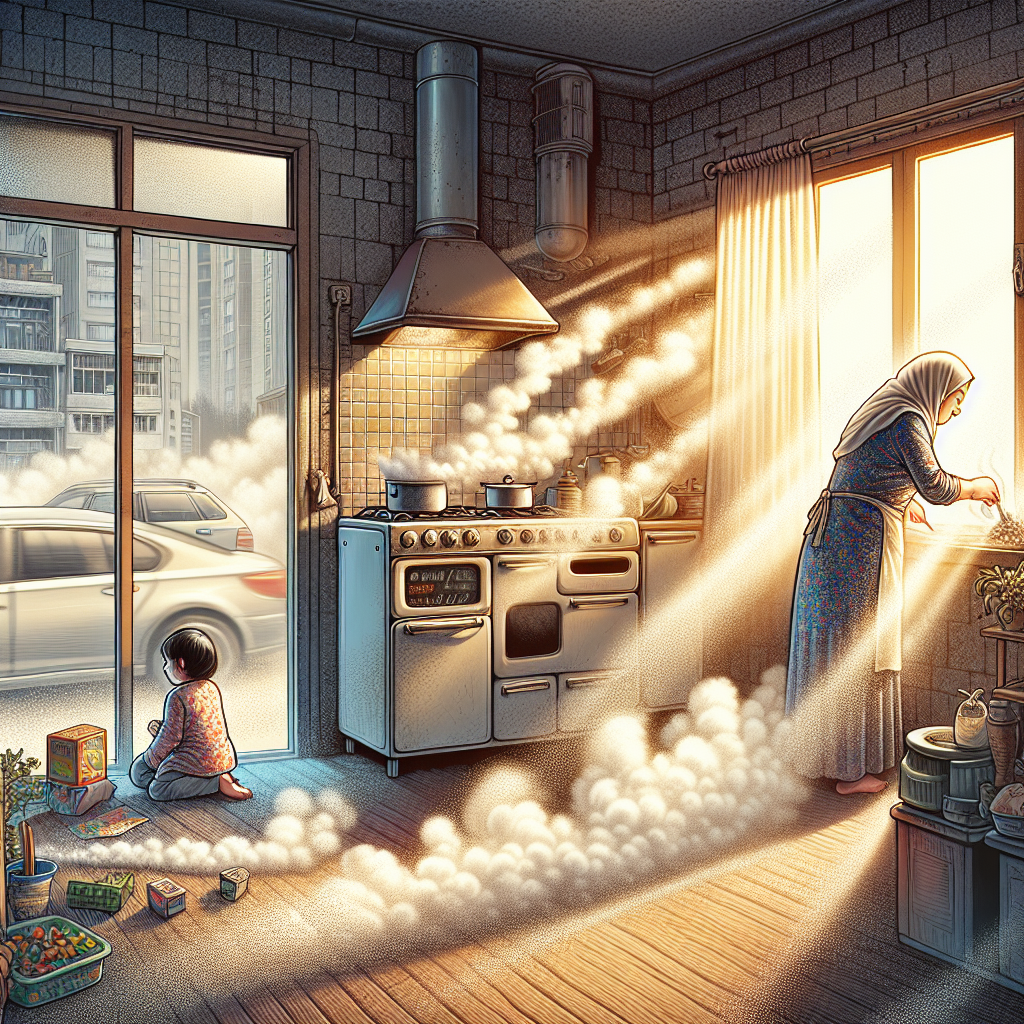
Household air pollution from biomass in India is being highlighted as a significant focus under the National Clean Air Programme. Efforts to address this issue could substantially reduce PM2.5 levels, essential for protecting communities and cutting greenhouse emissions. Effective budget utilization and clean energy transitions are crucial.
- Country:
- Colombia
Household air pollution, primarily from biomass fuels, is seen as a priority for India's National Clean Air Programme (NCAP), according to Kalpana Balakrishnan, Director at the WHO Collaborating Centre for Occupational and Environmental Health.
Speaking at the World Health Organisation's conference on air pollution in Colombia, Balakrishnan underscored India's robust infrastructure to address the issue, emphasizing the need for strategic investments to reduce PM2.5 levels and protect vulnerable communities.
Despite budgetary allocations, underutilization remains a concern, with emphasis on the necessity of clean energy transitions to mitigate pollution impacts, mirroring successful strategies seen in China.
(With inputs from agencies.)


 Google News