



Yuan's Resilience Tested Amidst Escalating US-China Trade Tensions
China's yuan experienced fluctuations amid ongoing US-China trade tensions and a struggling domestic economy. The People's Bank of China intervened to curb sharp declines, aiming to stabilize the currency while navigating the impacts of elevated tariffs. Experts suggest strategic depreciation against a basket of currencies to boost export competitiveness.
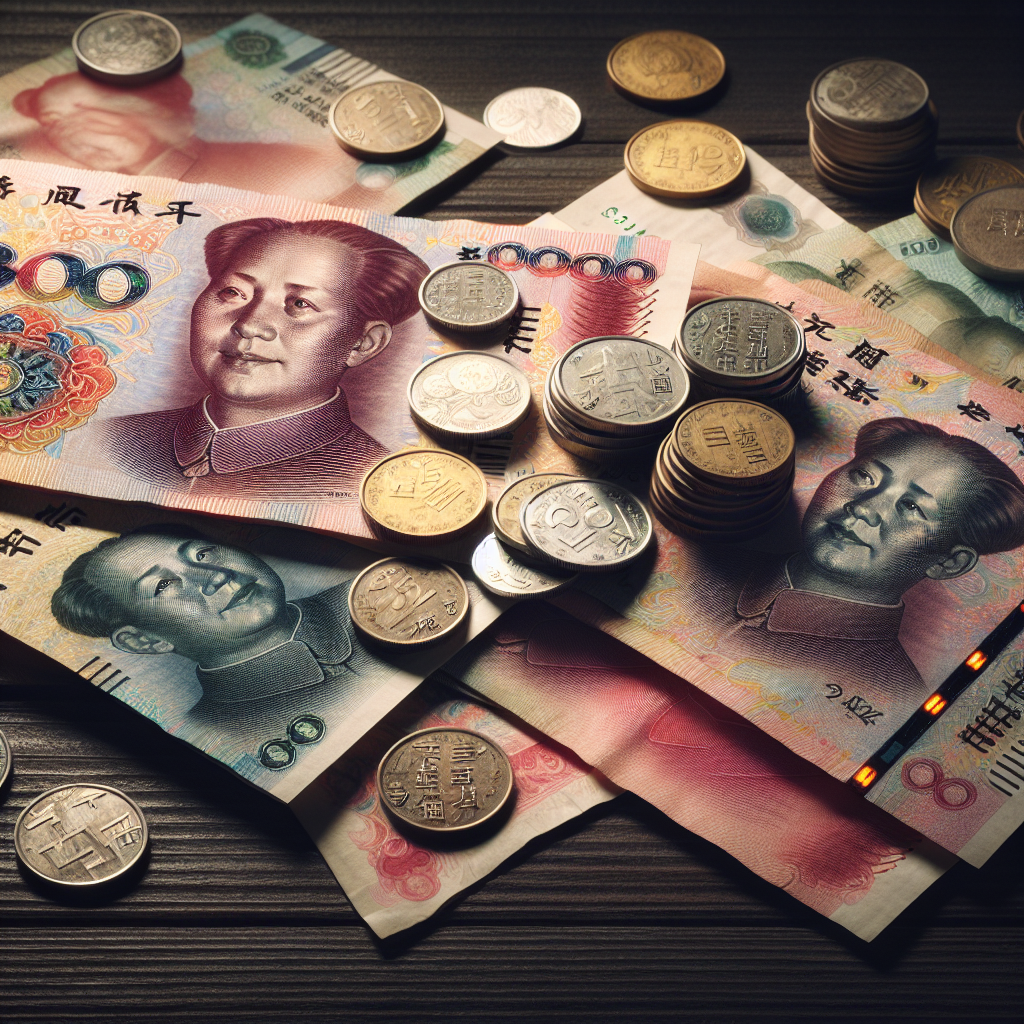
China's yuan managed to pull back slightly from a significant dip against a weakening US dollar on Friday. However, it recorded a 19-month low versus the currencies of its major trading partners amidst persistent trade tensions between the two leading global economies.
The reinstated financial market selling followed a temporary tariff halt by US President Donald Trump. While China was notably excluded from this break, Trump's imposition of a 145% effective tariff on Chinese imports continued, highlighting strained economic relations.
As China grapples with reviving post-COVID-19 economic growth, the People's Bank of China acted to prevent drastic yuan depreciations. It directed major banks to curtail dollar purchases, aiming to balance the cost dynamics of exports with the risks posed to economic stability by potential capital outflows.
(With inputs from agencies.)
ALSO READ
RBI's Strategic Rate Cut: Navigating Inflation and Economic Growth
India's Labour Codes: A Catalyst for Economic Growth and Efficient Logistics
ECB Holds Steady: Inflation Goals Reaffirmed Amid Economic Growth
Madhya Pradesh Paves Pathway to Economic Growth with Mega Road Projects
Financial Strategies and Expansions: A Deep Dive into Asset Management and Economic Growth


 Google News