



AUKUS Alliances Under Scrutiny: Navigating Politics, Tariffs, and Submarine Sales
The AUKUS treaty faces challenges as the sale of nuclear-powered submarines to Australia sparks concerns over tariffs, deterrence against China, and production capacity. Domestic politics in Australia adds scrutiny amidst national elections. Experts weigh in on strategic military deployment and collaboration with the U.S. and UK to maintain regional security.
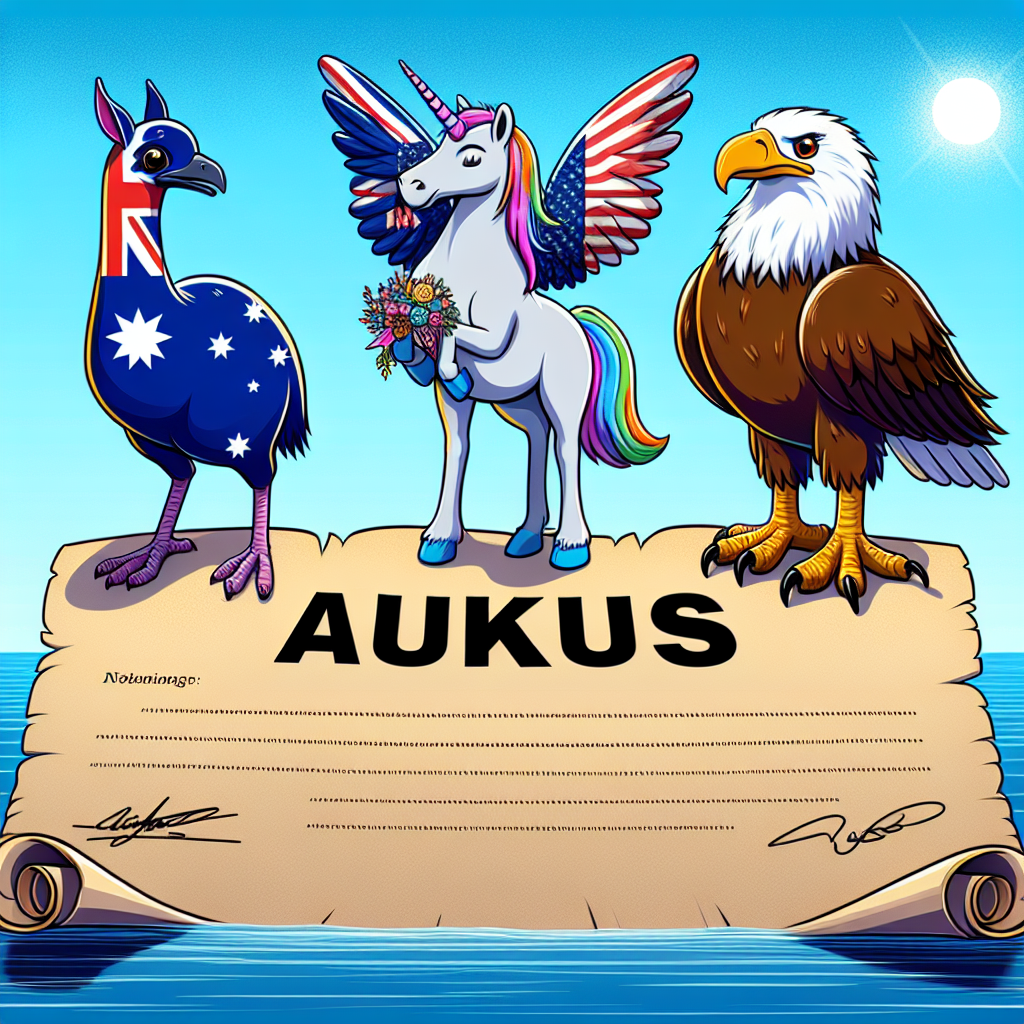
The AUKUS treaty, aimed at enhancing security cooperation between the U.S., Australia, and the UK, is facing new hurdles. The sale of nuclear-powered submarines to Australia is complicated by U.S. tariffs and concerns about military deterrence against China.
Domestically, Australia's politics play a significant role as public scrutiny mounts, particularly ahead of the upcoming national elections. The submarine deal, crucial to Australia's defense strategy, has not delivered expected exemptions from U.S. tariffs and could impact defense ties.
Strategically, experts emphasize the importance of nuclear submarines in bolstering regional deterrence. However, Australia's reluctance to deploy them against China raises questions about their operational intent. The collaboration with U.S. and UK allies remains a focal point to address these challenges and ensure effective defense capabilities.
(With inputs from agencies.)
- READ MORE ON:
- AUKUS
- submarines
- Australia
- U.S.
- China
- deterrence
- tariffs
- defense
- politics
- Virginia-class
ALSO READ
China Eases Rare-Earth Export Controls Amid Global Pressure
Tech Stocks Surge as Nike Stumbles Amid China Sales Weakness
From Forest to Finance: The Digital Tokenization of China's Treasures
China's Rare-Earth Magnet Surge: A Post-Agreement Export Boom
Nexperia China Ensures Future Chip Supply Amid Corporate Conflict


 Google News