



U.S.-China Trade War: Escalation and Global Repercussions
The U.S.-China trade war intensified as President Trump's tariffs faced retaliations, sparking global economic concerns. Despite market instability, leaders and investors urged diplomacy and negotiations. The EU and other countries reacted with counter-tariffs, further complicating international trade and economic stability worldwide.
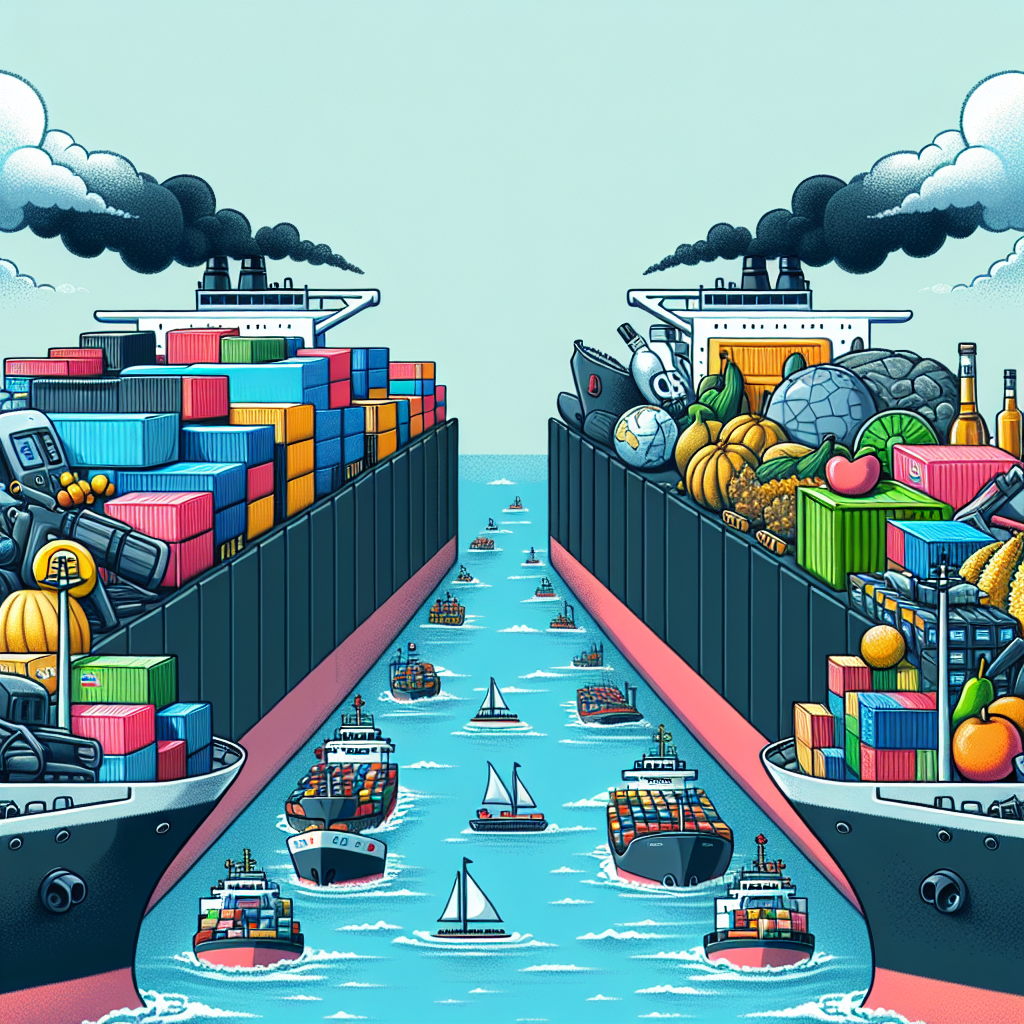
China has vowed not to succumb to U.S. 'blackmail' amidst an escalating trade war initiated by President Trump's substantial tariffs, showing no signs of slowing. Markets, though battered, showed some stability after a tumultuous period.
Following Trump's declaration to impose a 50% duty on Chinese imports, the Chinese government criticized the U.S. for its 'blackmailing nature,' warning of continued resistance. The European Union also proposed its own counter-tariffs against U.S. goods.
Global markets showed mixed reactions; Japan's Nikkei index rebounded while Chinese and Hong Kong stocks saw slight recoveries. Meanwhile, Trump's administration stood firm on its stance, attributing the tariffs to reversing decades of trade liberalization perceived as detrimental to the U.S. economy.
(With inputs from agencies.)


 Google News