



Senate's Stance on Trump's Global Tariffs: A Political Play
U.S. Senate Majority Leader John Thune suggests that the Senate won't block President Trump's global tariffs, despite concerns about the stock market. A bipartisan bill requiring congressional approval for new tariffs lacks support due to Trump's veto threat, leaving the decision power predominantly with the executive branch.
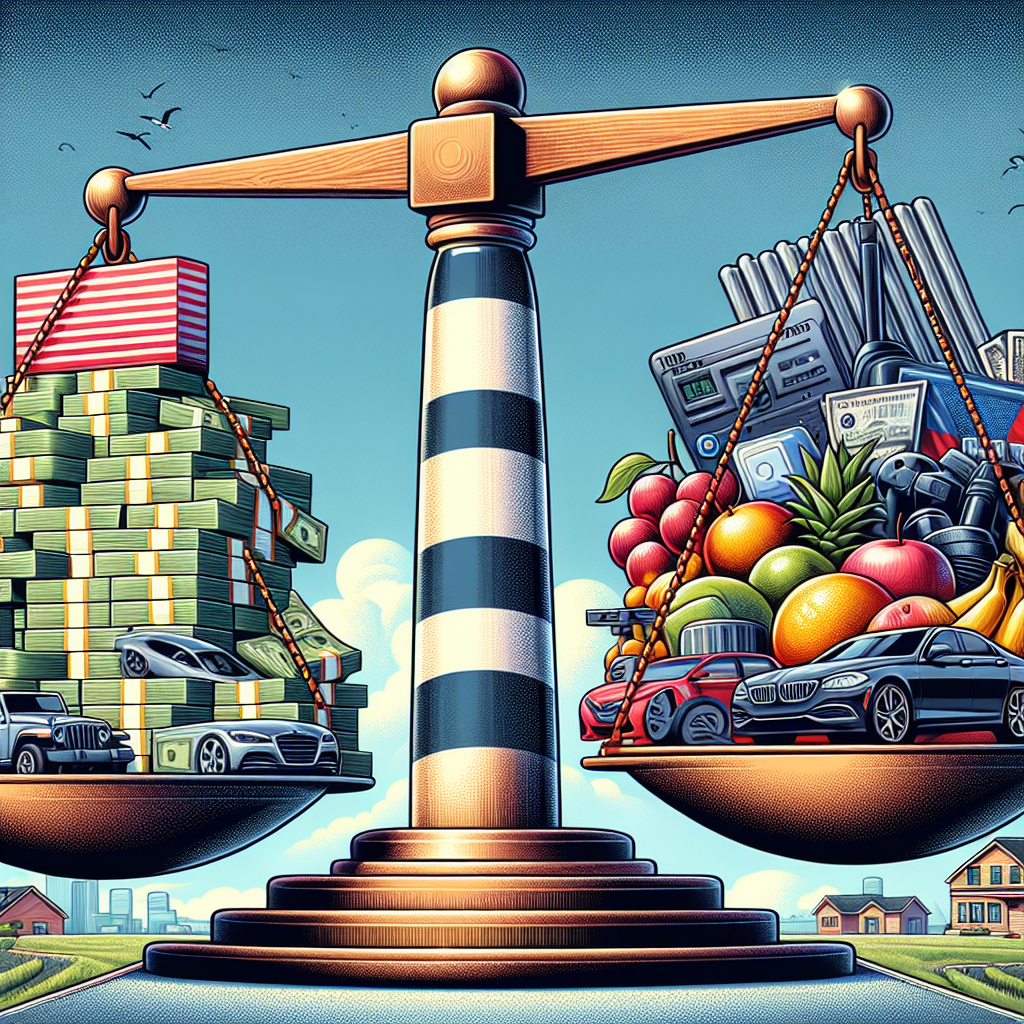
U.S. Senate Majority Leader John Thune announced on Monday that the Senate is unlikely to obstruct President Donald Trump's implementation of global tariffs. Thune commented on the expected market volatility, suggesting that the policy shift should be allowed to take its course to gauge both short-term and long-term impacts.
Highlighting the public's concern about the stock market due to its ties to investment and retirement accounts, Thune noted that a bipartisan Senate bill requiring congressional consent for new tariffs is unlikely to proceed following Trump's indication of a veto. The bill, spearheaded by Democrat Maria Cantwell and Republican Chuck Grassley, arose in response to Trump's announcement of sweeping new tariffs.
Despite support from seven Republican senators, including Grassley, the bill faces an uphill battle. Grassley expressed no surprise at Trump's veto warning, emphasizing that a president is often reluctant to cede any granted authority, a power Congress initially possessed but gradually transferred to the executive.
(With inputs from agencies.)


 Google News