



Fed's Dilemma: Gauging Economic Winds as Trump's 'Liberation Day' Looms
As Trump's policy changes trigger price hikes and market shifts, Fed officials like Richmond President Tom Barkin collect insight from businesses to navigate possible economic slowdowns. With growing uncertainty, the Fed faces a balancing act over interest rates amidst fluctuating economic conditions and rising tariffs.
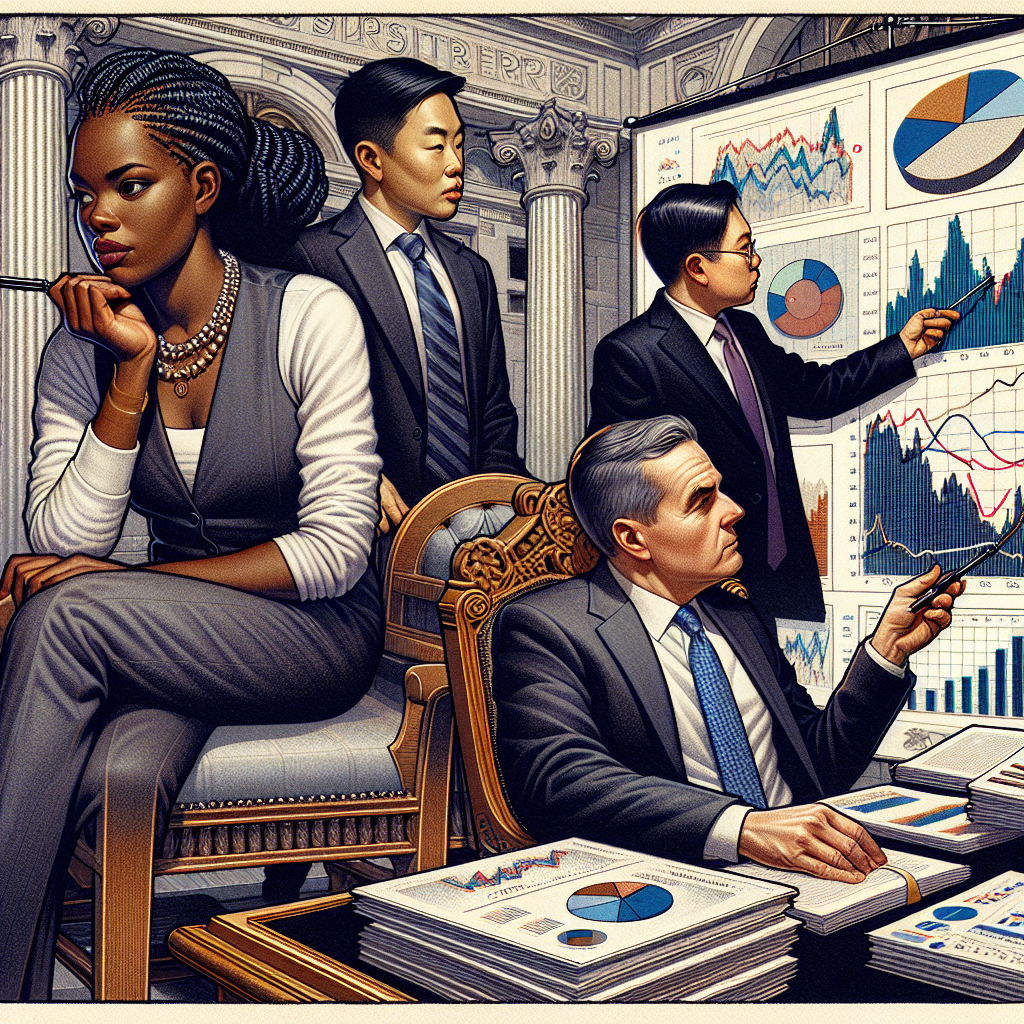
With an air of growing uncertainty enveloping the American economy, Federal Reserve officials have been hitting the pavement to gather real-time business insights amid a turbulent economic landscape. President Donald Trump's rapidly evolving policies, particularly new tariffs, are causing ripples across sectors, as businesses brace for potential challenges.
Richmond Federal Reserve Bank President Tom Barkin indicated that the optimism seen in late 2020 has waned, replaced by concerns about rising costs and slowing growth. Companies from various industries have been voicing hesitations about future investments, opting instead for a 'wait-and-see' approach as they navigate increased operational expenses.
Trump's self-proclaimed 'Liberation Day' on April 2 symbolizes decisive action to shift economic policies further. However, economists are skeptical about promised growth and job boosts. Fed policymakers are left to strategize, weighing the risks of high inflation against potentially slower economic output, to decide their next move on interest rates.
(With inputs from agencies.)
ALSO READ
Russian Central Bank Cuts Key Rate Amid Inflation Concerns
Mexico's Central Bank Cuts Interest Rates Amid Persistent Inflation Challenges
Bank of Mexico Reduces Interest Rates Amid Inflation Concerns
Russia's Economic Tug-of-War: A Battle Between Inflation and Interest Rates
Sterling Surges as Bank of England Cuts Interest Rates Amid MPC Division


 Google News