



Trump's Third-Term Ambitions: Constitutional Hurdles and Political Maneuvers
President Donald Trump has expressed interest in a third presidential term, despite the U.S. Constitution's prohibition. Legal experts argue his chances are slim, and any constitutional amendment allowing a third term seems improbable in today's polarized climate. Alternative strategies, like a vice presidency bid, also face legal challenges.
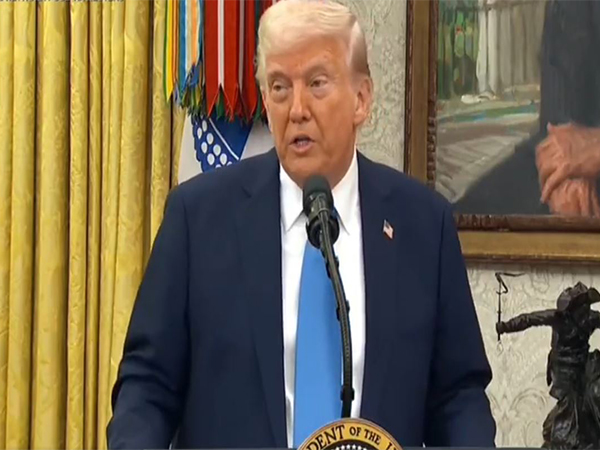
President Donald Trump raised eyebrows on Sunday by stating he was serious about pursuing a third term in office. However, he did not clarify how he would circumvent the constitutional limitation of two terms, sparking widespread discourse over its feasibility.
The U.S. Constitution's 22nd Amendment, ratified in 1951, explicitly limits presidents to two elected terms. Although historically respected, there's a lack of judicial precedent challenging this amendment. Legal scholars, like Wayne Unger, assert that any attempt by Trump to break this norm would likely be unsuccessful in court.
Exploring potential paths, Trump allies mention the arduous process of amending the Constitution. With current political divisions, garnering the necessary support seems unlikely. Discussions also hint at Trump considering a vice-presidential position, but constitutional criteria likely disqualify him from such tactics.
(With inputs from agencies.)


 Google News