



Political Stability in Thailand: Paetongtarn Shinawatra's Resilient Coalition
Paetongtarn Shinawatra, Prime Minister of Thailand, faces tepid approval ratings and an economy lagging behind neighbors. However, recent voting shows her coalition's stability, reducing short-term political instability in a historically tumultuous nation. Despite a history of removals, Paetongtarn asserts her independence from former leader Thaksin's influence.
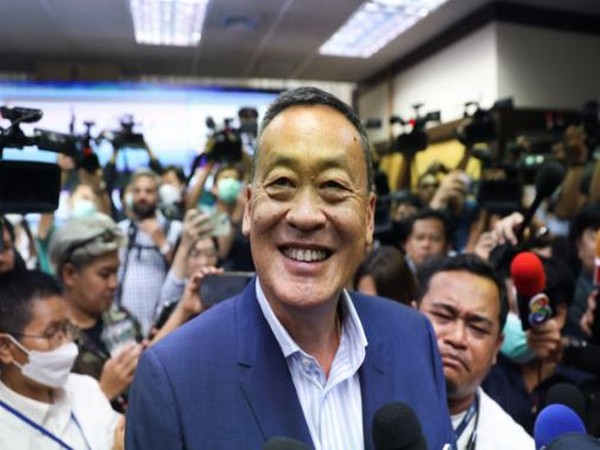
Thailand's Prime Minister, Paetongtarn Shinawatra, continues to face challenges, with tepid approval ratings and economic performance trailing that of neighboring countries. However, a recent vote suggests that her coalition's foundation remains robust, potentially easing fears of imminent political instability in a nation with a history of unrest.
Past governments led by Pheu Thai and its predecessors were frequently ousted by judicial or militaristic means, highlighting the persistent animosity between influential conservative forces and the party's figurehead, Thaksin Shinawatra. Despite these historical tensions, Paetongtarn maintains that her administration operates independently.
In response to speculation over Thaksin's influence, both Paetongtarn and Thaksin himself have asserted boundaries; she claims governmental autonomy, while he reiterates his retirement, only offering strategic advice when necessary.
(With inputs from agencies.)
ALSO READ
Navigating Global Coalition Politics: India's Strategic Diplomacy
Navigating Global Coalition Politics: India's Strategic Approach
India Set to Surpass Germany as Third-Largest Economy by 2027
Coalition Forces Unleash Retaliatory Strikes on ISIS in Syria
Sanctions Repeal Signals New Era for Syria's Economy


 Google News