



Tumultuous Times: Yoon's Martial Decree Sparks Constitutional Chaos
South Korean President Yoon Suk Yeol's impeachment trial concludes amid controversy over his martial law decree. His defense highlights political reform goals while critics cite constitutional breaches and unrest. The Constitutional Court's decision awaits, with potential for political polarization. If impeached, early elections will ensue for a successor.
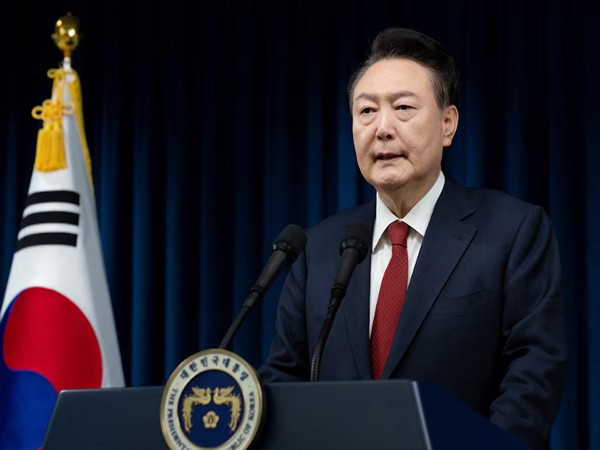
- Country:
- South Korea
South Korean President Yoon Suk Yeol concluded his defense in an impeachment trial that has ignited national debate. The controversy centers on his martial law decree, which led to political disorder and a damaged international image. Yoon frames the decree as essential for national security, blaming the opposition-controlled parliament for obstructing governance.
The Constitutional Court is poised to decide Yoon's fate by mid-March, determining whether he should be reinstated or permanently removed from office. Meanwhile, the nation grapples with intense political division, manifesting in mass demonstrations both supporting and opposing the president. This decision is expected to further deepen South Korea's political divide.
Yoon has proposed political reforms and a potential constitutional revision if reinstated. However, if convicted on rebellion charges, he faces severe penalties, including the death sentence. The trial underscores significant calls for changes to South Korea's current presidential system, a relic from 1987 post-dictatorship reforms.
(With inputs from agencies.)


 Google News