



SA’s Food Systems Enter a New Era: Turning Waste Into Wealth for a Resilient Future
Platforms like SAPLING help unite governments, innovators, and communities around solutions that work — demonstrating that reducing food loss is not only achievable but economically transformative.
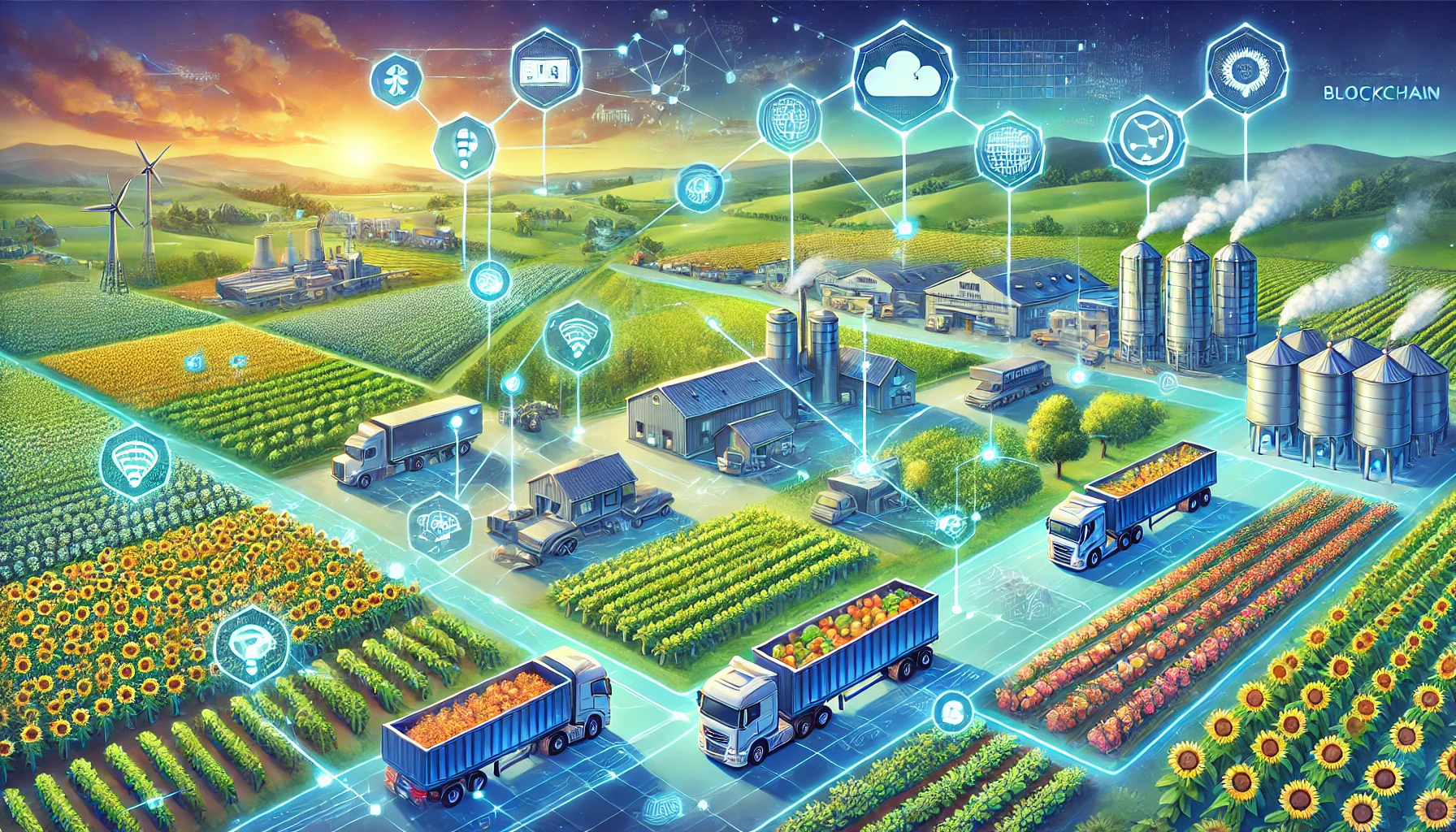
South Asia — home to nearly two billion people — faces one of the world’s most staggering food system challenges: up to 40% of food produced is lost before it ever reaches consumers. With climate pressures rising, youth unemployment remaining high, and undernutrition affecting millions, the region stands at a crossroads. But it also stands at the edge of a major opportunity: transforming food loss into economic, nutritional, and environmental gains.
At World Food India 2025, the regional platform South Asian Policy Leadership for Improved Nutrition and Growth (SAPLING) hosted a high-level session with support from India’s Ministry of Food Processing Industries (MoFPI). Building on the momentum from the June 2025 SAPLING gathering in Sri Lanka, leaders and innovators from Bhutan, India, Maldives, and Sri Lanka showcased solutions that are already rewriting the region’s food future.
The session’s theme, “From Waste to Wealth: Transforming South Asia’s Food Systems for the Future,” captured the region’s new ambition: using technology, policy innovation, and entrepreneurship to reduce losses, boost farmer incomes, and promote sustainable food security.
Bhutan and Maldives Lead With Policy Reform and Circular Innovation
Bhutan: Cutting Food Losses Through Smart Policy and Farmer Support
Bhutan loses 50% of fruits and vegetables annually due to weak post-harvest systems—insufficient storage, poor transport, and packaging constraints. To combat this:
-
Bhutan revised its national food and nutrition security policy, integrating food loss assessment into planning.
-
It rolled out a cost-sharing subsidy scheme, covering up to 70% of storage, transport, and packaging costs for farmer groups.
These reforms aim to strengthen supply chains, keep food fresher for longer, and raise farmer incomes through better market access.
Maldives: Tackling Urban Food Waste Through Circular Models
With 60% of municipal waste consisting of food scraps, the Maldives is facing a waste management crisis. The government is responding by:
-
Embedding circular economy principles into national food systems and urban planning.
-
Exploring biotechnology and waste valorization solutions to convert organic waste into soil enhancers, bioenergy, and animal feed.
These strategies reduce landfill pressure, cut emissions, and contribute directly to food security in a highly import-dependent nation.
India: Women-Led Agribusiness and Scalable Innovation Drive Transformation
India processes only 12% of its agricultural output — well below the 30–40% global average — but grassroots innovation is shifting this reality.
Women Farmer Producer Groups Transforming Rural Economies
In Rajasthan, the Nilgiri Farmer Producer Organization, led by over 750 women, operates a successful custard apple processing centre. In 2024–25, it achieved:
-
₹6.6 million turnover
-
₹2 million profit
This model demonstrates how women’s cooperatives can drive rural entrepreneurship and create value from perishable crops.
S4S Technologies: Solar Innovation for Women Farmers
S4S Technologies is a pioneer in solar-powered food processing. Its scalable model includes:
-
Solar dryers reducing drying time from 6 days to 6–8 hours
-
A network of 5,000 women farmers as rural entrepreneurs
-
Expansion to India and Ghana
-
Enabling farmers to access loans at 6% interest (down from 31%)
-
$400–$2,000 additional annual income per woman
-
100,000 tons of food waste prevented annually
-
$45 million in revenue, benefiting 300,000 farmers
S4S is redefining food processing as a catalyst for rural transformation, technology adoption, and women’s economic empowerment.
Sri Lanka: Leadership Driving Digitalization and Market Integration
Sri Lanka loses around 40% of its food annually, but a shift in national strategy is underway. Cabinet Minister Wasantha Samarasinghe emphasized a transition from a self-sufficiency model to a market-driven, technology-enabled agricultural system.
Key reforms include:
-
Investments in climate-resilient crops
-
Expansion of cold chains and value-added services
-
Support for cooperative commercialization
-
Digital platforms and AI to engage youth and modernize agribusiness
-
Leveraging the World Bank’s Integrated Rurban Development and Climate Resilience Project for smallholder value-chain expansion
SenzaAgro: Precision Farming for a Digital Future
SenzAgro Solutions, a Sri Lankan agri-tech firm, serves 29,000 farmers across 11 countries. Its low-cost digital tools:
-
Reduce post-harvest loss
-
Improve productivity and climate adaptation
-
Generate a 7x return on every $13 investment per farmer
Private Sector Innovations Turning Waste Into Wealth
Across South Asia and beyond, entrepreneurs are demonstrating that reducing food loss is not just beneficial—it is profitable.
GreenPod Labs, India
-
Creates plant-based packaging to extend shelf life by 40–60%
-
Preserves 25,000 tons of produce monthly
-
Requires no cold storage
Vietnam Food (Vietnam)
-
Processes 100,000 tons of shrimp byproducts annually
-
Achieves 95% extraction rate and 80% water savings
-
Turns waste into high-value nutraceuticals and industrial compounds
Financing the Future: New Models to Scale What Works
Innovative financing is helping farmers, startups, and cooperatives adopt new technologies and infrastructure.
NABARD (India): Green and Climate-Smart Lending
-
Open-ended loans at 8–8.5% interest
-
Two-year moratorium for green projects
-
A $25–30 million Carbon Fund supporting innovations traditional banks overlook
Public–Private Partnerships
PPPs are expanding access to:
-
Cold chains
-
Storage infrastructure
-
Food processing facilities
-
Technology platforms
These investments strengthen food systems and create pathways for climate resilience.
The Road Ahead: A Quiet Revolution, Ready to Accelerate
South Asia’s food systems are experiencing a powerful transformation driven by:
-
Regional collaboration
-
Policy innovation
-
Women-led entrepreneurship
-
Circular economy models
-
Private sector technology
-
Smart financing
-
Youth engagement
-
Digital agriculture
Platforms like SAPLING help unite governments, innovators, and communities around solutions that work — demonstrating that reducing food loss is not only achievable but economically transformative.
The region is turning waste into wealth, challenges into opportunities, and innovation into impact. The momentum is building. Now is the moment to scale it.


 Google News