



Screwworm Scare: Mexico's Agriculture Ministry Battles Parasite Outbreak
A flesh-eating screwworm parasite was detected in Nuevo Leon, Mexico, threatening livestock health. The parasite's discovery prompted U.S. restrictions on cattle imports from Mexico. Aggressive treatments, including ivermectin, ensured larvae were not viable, highlighting the effectiveness of Mexico's agriculture protocols to prevent screwworm spread.
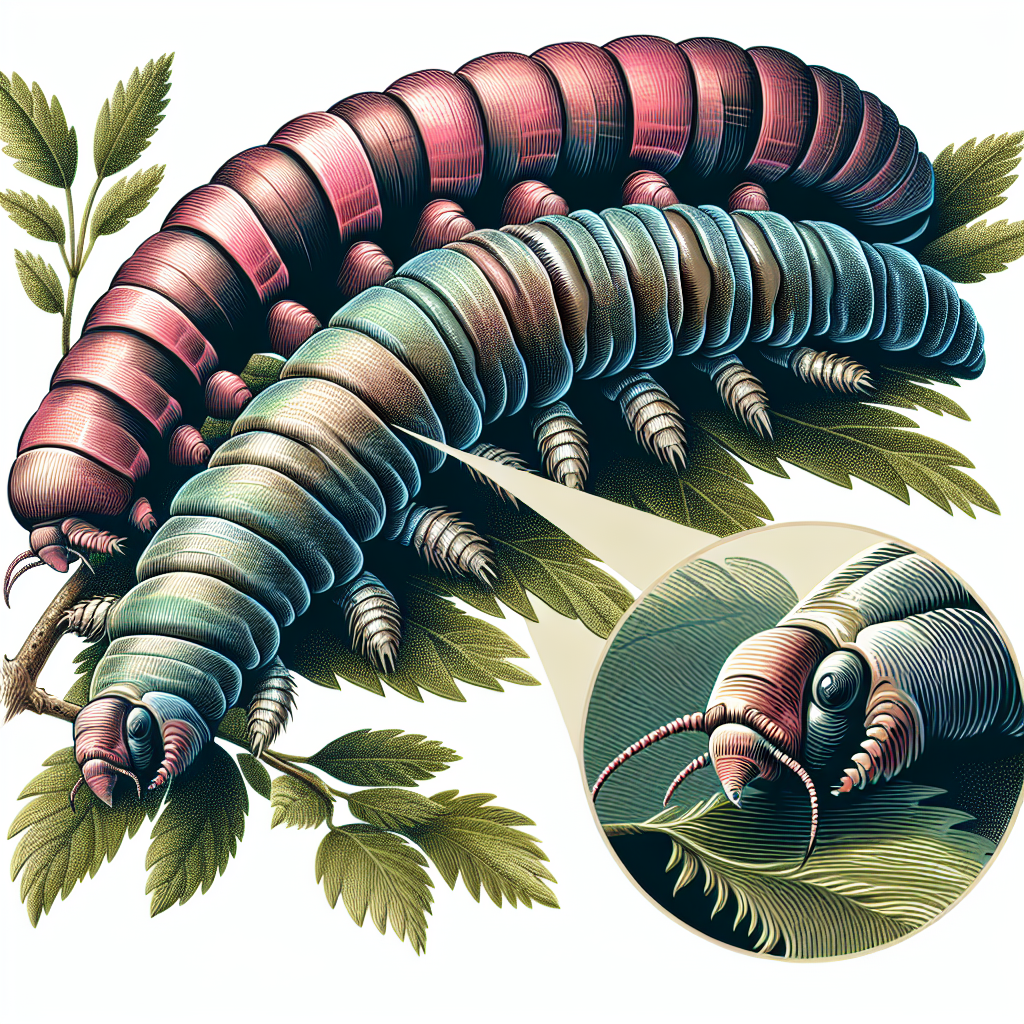
MEXICO CITY, Oct 6 (Reuters) - Mexico's agriculture ministry reported a new case of the flesh-eating screwworm parasite in Nuevo Leon state, near the U.S. border. The affected calf originated from southern Mexico and was found in Montemorelos, close to Monterrey, yet none of the other 84 animals in the shipment were infested, the ministry announced.
The screwworm larvae, which can devastate livestock if left untreated, were found either dead or dying due to mandatory treatments, including the use of ivermectin, the ministry added. Mexico's agriculture ministry and sanitation agency Senasica recently emphasized to sector groups that ivermectin must be administered 72 hours before cattle are moved, under the watch of staff from the International Regional Organization for Animal and Plant Health.
This parasite outbreak has significantly impacted the livestock sector, leading the U.S. government to restrict Mexican cattle imports since May. According to the ministry, the unviable condition of the larvae underscores the effectiveness of inspection protocols to control the spread of screwworm, as evidenced by the latest detection in Montemorelos.
(With inputs from agencies.)
ALSO READ
AI-Powered Precision Farming: Transforming Agriculture in Jharkhand
India and Fiji Deepen Agritech and Food Security Partnership, Signal New Opportunities in Digital Agriculture
Researchers Turn Pencil and Paper into High-Performance Sensors for Agriculture, Healthcare and Wearables
Goa appoints 32-year-old farmer as agriculture brand ambassador to inspire youth
Madhya Pradesh's VB G-RAM-G Act: Transforming Rural Employment and Agriculture


 Google News