



People’s Budget: DP Mashatile Calls for Inclusive, Transparent Fiscal Planning
Speaking virtually at the event on Wednesday, Mashatile didn’t mince words about the shortcomings of the existing budgetary framework.
- Country:
- South Africa
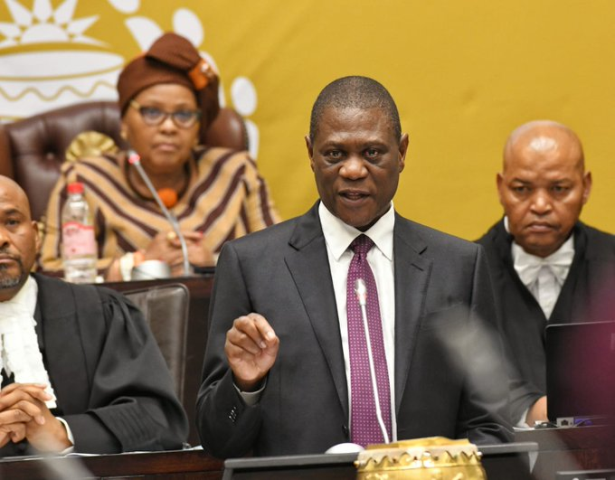
In a pivotal address during the 2025 Budget Roundtable at the Financial and Fiscal Commission (FFC) headquarters in Cape Town, Deputy President Paul Mashatile made a powerful appeal for greater transparency, inclusivity, and citizen engagement in South Africa’s fiscal decision-making processes.
Speaking virtually at the event on Wednesday, Mashatile didn’t mince words about the shortcomings of the existing budgetary framework. “We have learnt that the current budgetary process is not transparent and inclusive enough,” he stated. “It makes it difficult for citizens to understand how the government goes about the process of taking some of the most critical decisions in allocation of resources, albeit limited resources because of the competing needs.”
A Call for Participatory Budgeting
Mashatile evoked the legacy of anti-apartheid stalwarts Ben Turok and Joanamarrie Fubbs, who once advocated for a “people’s budget”—an approach that puts ordinary citizens at the center of fiscal planning. He emphasized the need to revisit and institutionalize this concept.
“What this means is that we need fiscal planning that is inclusive from the start, in terms of the Medium-Term Expenditure Framework and in line with government’s priorities,” he said.
Such an approach, he argued, must target South Africa’s enduring socio-economic challenges, notably poverty, unemployment, and inequality. “The budget must focus on how we address these issues specifically, not as afterthoughts but as core priorities.”
Budget as a Policy Tool, Not Just a Financial Exercise
The Deputy President underscored the national budget’s strategic role, calling it the “primary tool for translating policy into action.” He acknowledged the weight of history surrounding this year’s budget process, which has seen a rare delay in the Budget Speech and the recent adoption of the 2025 Fiscal Framework and Revenue Proposals by Parliament.
In response to fiscal tensions, including a controversial proposal to increase the Value-Added Tax (VAT), Mashatile revealed that a special Cabinet Committee—chaired by himself—had been established to deliberate the matter in depth. He reassured the public that “South Africa has avoided the fiscal pitfalls that have brought down other governments,” affirming the resilience and functionality of its democratic institutions.
Equity and Fairness: Cornerstones of Fiscal Planning
Reinforcing the idea of equitable governance, Mashatile emphasized that budgetary allocations must reflect fairness and social justice, particularly for vulnerable and historically marginalized communities.
“Public allocations should be fair, just, and available to all citizens,” he said. “This is not simply a moral stance, but a strategic necessity in a society grappling with deep-seated economic disparities.”
As the country moves toward finalizing the Division of Revenue Bill and Appropriation Bill in the upcoming months of May and June, Mashatile urged for “thoughtful engagement and transparent decision-making,” reminding stakeholders that inclusive collaboration is key to building public trust and ensuring sustainable development.
A Future-Focused Fiscal Strategy
Mashatile concluded his address by highlighting broader fiscal responsibilities that extend beyond short-term planning. He spoke about the importance of crafting a long-term financial strategy that accommodates economic growth, prudent debt management, and sound tax policies. The goal, he said, is to create “a sustainable fiscal position that supports economic growth and manages risks effectively.”
This includes adjusting to variables such as interest rates, economic performance, and structural reforms—factors that must be monitored to maintain a stable and transparent macroeconomic environment.
The Deputy President positioned the 2025 Budget Roundtable as more than just a procedural gathering—it was, in his view, a “pivotal moment for shaping a more equitable future” for South Africa.
Deputy President Paul Mashatile’s message was clear and resonant: South Africa must rethink how it crafts and communicates its fiscal plans. By ensuring that the budgeting process is rooted in transparency, fairness, and public participation, the government not only fulfills its democratic obligations but also lays a more stable and inclusive foundation for national growth and transformation.


 Google News