



IEC Launches National Consultation to Explore Feasibility of E-Voting
The IEC aims to collect feedback from a wide array of sources including ordinary voters, political parties, civil society organisations, and electoral experts.
- Country:
- South Africa
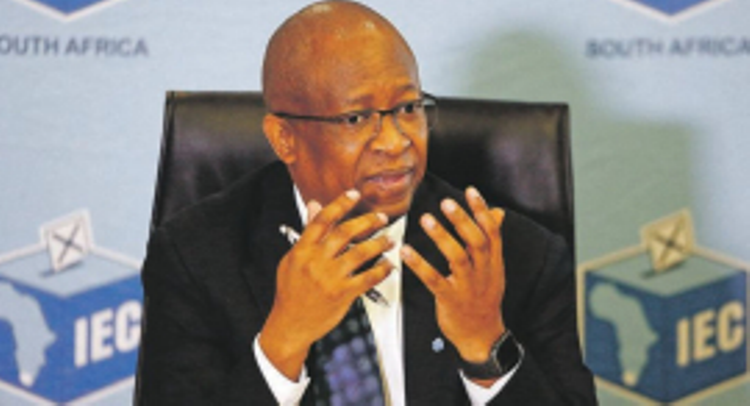
The Electoral Commission of South Africa (IEC) has embarked on an ambitious six-month national consultation campaign aimed at gauging public and stakeholder sentiment on the potential rollout of electronic voting (e-voting) systems in the country. The announcement was made by Chief Electoral Officer Sy Mamabolo during a media briefing held in Pretoria on Wednesday, marking a critical step in what could become one of the most significant evolutions in South Africa’s democratic processes since the advent of democracy in 1994.
A Vision for Inclusive and Transparent Electoral Reform
Mamabolo outlined the rationale for the consultation initiative, noting that while no final decision has been taken regarding the adoption of e-voting, the Commission is committed to a deeply consultative and evidence-driven approach.
“Public trust is central to the success of e-voting,” said Mamabolo. “That’s why it is critical that the process is open, inclusive and accessible to all South Africans.”
The IEC aims to collect feedback from a wide array of sources including ordinary voters, political parties, civil society organisations, and electoral experts. The feedback will contribute to a comprehensive policy framework that reflects the needs and realities of all stakeholders.
Weighing the Technological and Social Landscape
According to Mamabolo, the introduction of e-voting must be viewed through the lens of South Africa’s unique social and infrastructural conditions. “Successful e-voting systems depend on secure and reliable technological infrastructure – from servers and power supply to stable internet connectivity,” he said.
In a country grappling with inconsistent internet penetration, significant literacy disparities, and accessibility challenges for persons with disabilities, the IEC is keen to ensure that any e-voting solution must not exacerbate existing inequalities.
E-voting, Mamabolo stressed, must do more than just offer convenience. “It should strengthen transparency, bolster public confidence in electoral outcomes, and broaden democratic participation, particularly among younger and tech-savvy citizens.”
Realistic Expectations and Caution Against Over-Promising
Mamabolo tempered expectations around the potential of e-voting to drive voter turnout. “Those who have opted out of the electoral process because they feel it lacks value are unlikely to be swayed simply by a new voting platform,” he said, pointing to the need for deeper democratic engagement rather than merely technological fixes.
In addition, the financial implications of such a transition are under close scrutiny. The Commission is undertaking a thorough cost-benefit analysis, considering not only the potential efficiencies but also the upfront costs of deploying and maintaining digital infrastructure.
“E-voting may not necessarily lead to cost savings in the administration of elections,” Mamabolo cautioned, countering a common assumption among the public.
International Perspectives and Legal Frameworks
The national consultation process follows the IEC’s international e-voting conference held in March, which brought together global electoral experts, technology vendors, and democratic institutions. The event served as a platform to assess global trends and examine case studies of both successful and problematic e-voting implementations.
A key outcome of the conference was the launch of a detailed discussion document outlining critical considerations such as:
-
The motivation for e-voting adoption in South Africa
-
Legal and constitutional parameters
-
Comparative costs of available technologies
-
Public perceptions and challenges
-
Lessons from global experiences
The document will serve as a guiding reference throughout the six-month consultation period.
Political Party Register Cleanup Underway
In a related development, the IEC also updated the public on the status of political party registrations in South Africa. Currently, the Commission oversees 609 registered political parties—383 at the national level and 226 at provincial or municipal levels. However, many of these parties have been flagged as inactive.
Mamabolo explained that in February, the IEC issued notifications to 192 such parties with the intention to deregister them due to inactivity. “The Commission, as the official registrar, is obliged to maintain the integrity of the party register,” he said.
According to legislation, parties that do not hold seats in municipal councils, provincial legislatures, or the National Assembly must periodically confirm their continued operation or risk being struck off the register.
“Removing inactive parties not only ensures a cleaner political landscape,” Mamabolo said, “but also frees up names, logos, and other identifiers for new and aspiring political movements.”
A Defining Moment for Electoral Democracy
As South Africa stands on the brink of possibly embracing e-voting, the coming months will be pivotal. The consultation process represents not only a technological discussion but a broader conversation about the future of South Africa’s democracy—one that seeks to reconcile innovation with inclusivity, transparency with efficiency, and public trust with institutional reform.
South Africans are encouraged to participate in the process and help shape the digital future of their democracy.


 Google News