



Trump's Tariff Turmoil: Straining Global Trade and Markets
President Trump's sweeping tariffs, imposing up to a 104% duty on Chinese goods, have intensified global trade tensions, shaking markets and raising recession fears. The tariffs impact both allies and rivals, prompting markets to slide and forcing negotiations. Economists fear U.S. consumers will bear the ultimate cost.
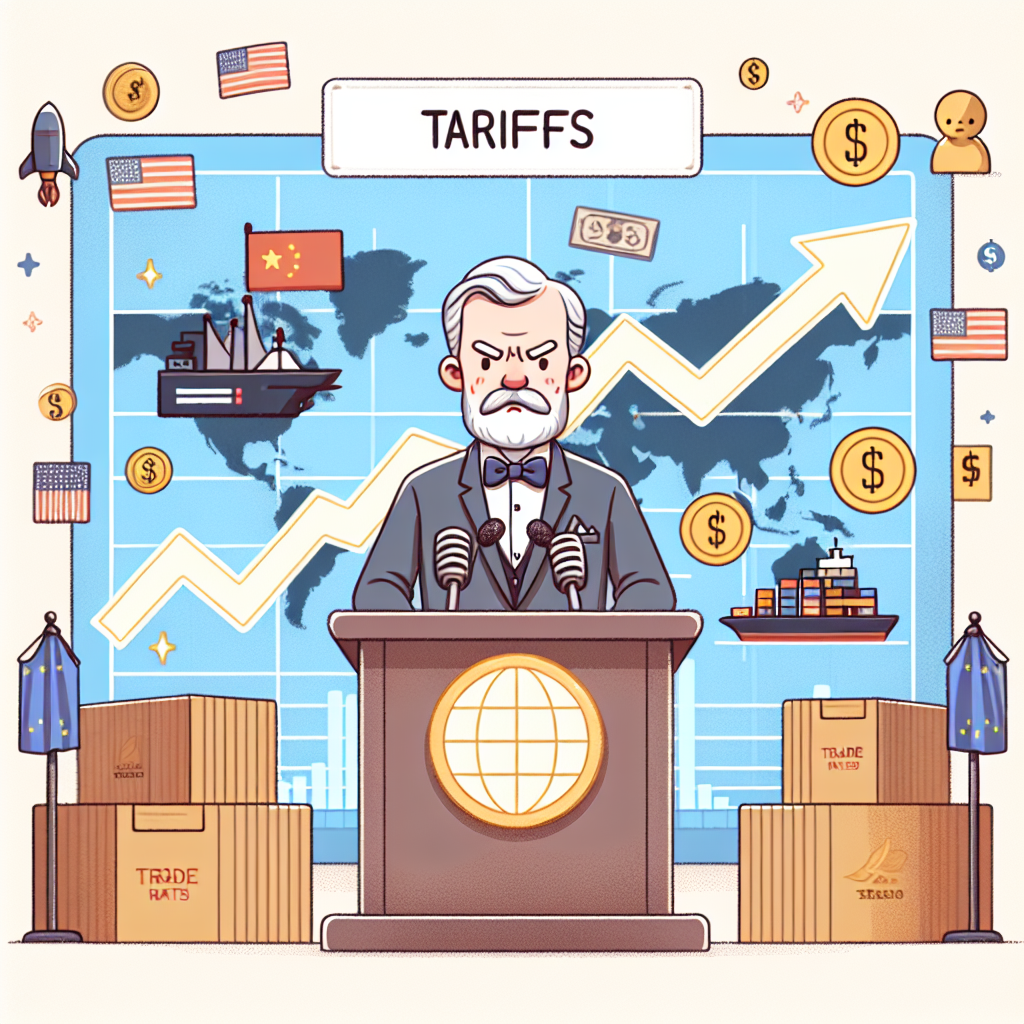
President Donald Trump's aggressive tariff strategy, with massive duties especially on Chinese goods, came into force on Wednesday, further inflaming global trade tensions. The move prompted renewed tremors across financial markets, deepening fears of a potential recession and slashing the market value of major corporations worldwide.
Since the announcement of these tariffs last week, the S&P 500 has experienced its sharpest decline since its inception. The impact is not confined to equities; even traditionally safe global benchmark bonds have been caught in the wave of market uncertainty, resulting in a rush towards cash for security.
Despite concerns, Trump appears unconcerned about the market volatility, suggesting that the tariffs might pressure other nations into trade negotiations. Talks are scheduled with several key U.S. trading partners, and reactions vary widely, with Europe bracing for potential recession and China vowing to resist these measures.
(With inputs from agencies.)
- READ MORE ON:
- Trump
- tariffs
- trade war
- China
- economy
- market
- s&p 500
- recession
- negotiations
- global impact
ALSO READ
Global Markets React to BOJ Rate Hike and Technology Surge
Tech Stocks Lead Rebound in Volatile U.S. Market
Global Markets Surge Amid Rate Hikes and Optimistic Tech Outlook
Tech Stocks Surge as AI Optimism Fuels Market Rebound
U.S. Housing Market Battles Economic Uncertainty Amid Modest Sales Increase


 Google News