



Supreme Court Endorses Deportation under Historic Wartime Law
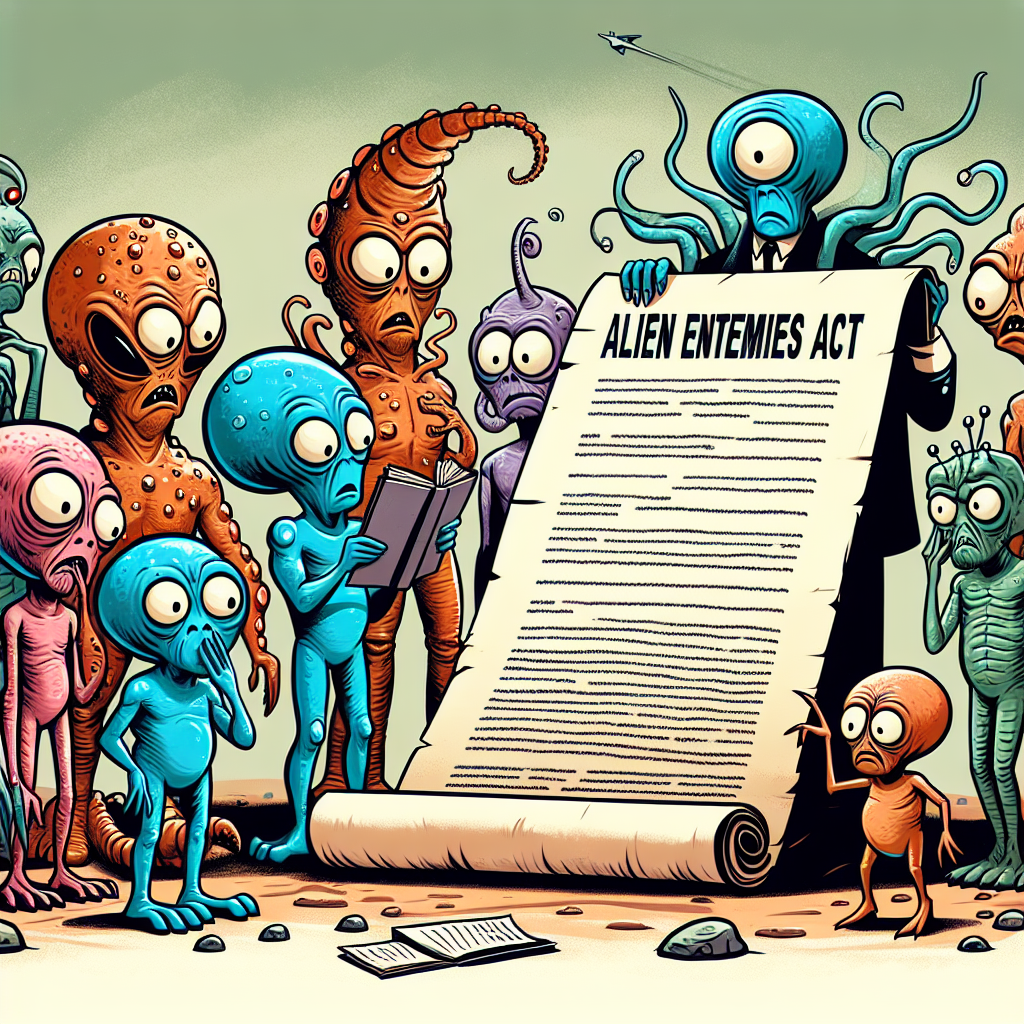
The U.S. Supreme Court has permitted the Trump administration to apply the 1798 Alien Enemies Act to deport Venezuelan migrants accused of gang affiliations. The ruling ends a deportation freeze but mandates legal challenges for those accused. Trump's use of this wartime law has faced substantial legal and public criticism.
- Country:
- United States
The Supreme Court has authorized the Trump administration to enact the 1798 Alien Enemies Act to deport Venezuelan migrants suspected of gang activity, ending a temporary deportation freeze imposed by a federal judge. However, the court requires Venezuelans accused to have legal recourse to contest deportation.
Last month, the law facilitated the deportation of over 130 suspected gang members to El Salvador, where detention facilities are funded by the US. The Trump administration claims the gang poses an invading threat. Critics, however, question the lack of due process and evidence against the deportees.
The Alien Enemies Act has historically been applied during periods of declared war, like World War II, for interning individuals of certain ancestries. Recent actions have sparked legal challenges from groups like the ACLU, emphasizing the potential for overreach and civil liberties infringement.
(With inputs from agencies.)


 Google News