



President Calls for Bold, Collaborative Approach to Combat Crime in SA
The President opened his address by applauding the Ministry of Police for convening the summit, recognizing it as a “critical” platform for reshaping the country’s safety and security strategy.
- Country:
- South Africa
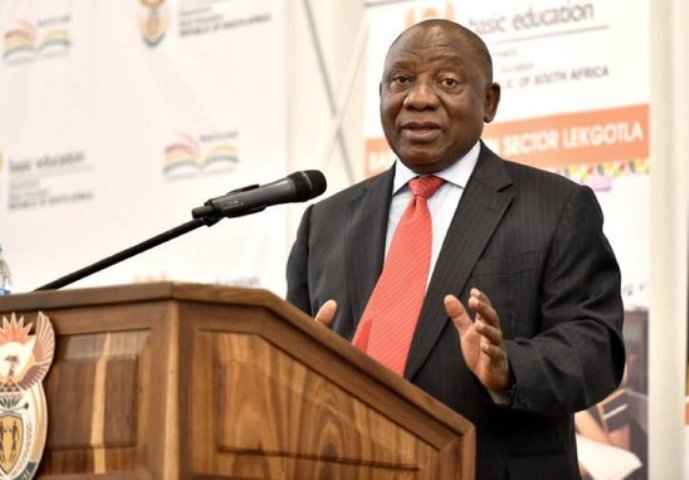
South Africa is at a critical juncture in its fight against crime, and President Cyril Ramaphosa has called for an innovative and community-driven approach to policing and law enforcement. Speaking at the 2025 Policing Summit in Ekurhuleni, the President emphasized the urgency of urgent reforms and collaboration across all sectors of society to tackle crime head-on.
Addressing a diverse gathering of government officials, civil society representatives, business leaders, interfaith groups, labor unions, and community organizations, Ramaphosa highlighted the importance of a holistic, all-encompassing strategy that unites all sectors in the fight against crime. He stressed that while the police play a pivotal role in safeguarding South Africa, the problem of crime cannot be tackled by the police alone.
The State of Policing: A Crossroads for Reform
The President opened his address by applauding the Ministry of Police for convening the summit, recognizing it as a “critical” platform for reshaping the country’s safety and security strategy. “Crime is not just a law enforcement problem; it is an all-of-society issue. As such, overcoming it requires the collective effort of every South African,” he remarked.
According to Ramaphosa, addressing the root causes of crime is as important as combating its immediate effects. “Social challenges such as poverty, unemployment, inequality, broken families, gender-based violence, and the persistence of patriarchy contribute to the growth of criminality,” he said. The President compared this to a doctor treating only symptoms without diagnosing the underlying illness.
He noted that the success of any anti-crime strategy must be built on understanding these underlying societal issues and addressing them as part of a broader public safety strategy. “To win this battle, we need proactive, innovative, and solution-oriented approaches,” he asserted.
Policing Amid Emerging Threats
One of the key aspects of modern policing discussed at the summit was the increasingly complex and multi-faceted nature of crime in South Africa. Ramaphosa pointed out that crime in the country is no longer limited to street-level incidents. It now includes more sophisticated threats such as transnational organized crime, illegal mining, extortion, cybercrime, money laundering, and even terror financing.
Despite these challenges, Ramaphosa lauded the South African Police Service (SAPS) for its efforts to maintain order and protect citizens. However, he warned that the complexity of crime requires evolving tactics and strategies, including strengthening the relationship between the police and the public.
Restoring Public Trust and Strengthening the Police
A key message of Ramaphosa’s address was the need to restore public trust in the police. “Restoring the public’s faith in law enforcement is central to defeating crime,” the President said, calling for stronger relationships between police officers and the communities they serve. He highlighted the importance of improving the morale of SAPS members, many of whom face heavy workloads, outdated systems, and insufficient resources.
Ramaphosa pointed out that although the national budget for SAPS has increased over the last decade, the actual number of police officers has been decreasing, which has led to a mismatch between growing crime rates and a shrinking police force. He stressed that community involvement is essential in the fight against crime, especially through platforms such as Community Policing Forums (CPFs). These forums, which bring together police officers and community members, have proven to be an effective tool in crime prevention and detection.
Embracing Technology and Data-Driven Policing
The summit also focused on the pivotal role of technology in modern policing. Ramaphosa welcomed the summit’s focus on using advanced technologies to support crime-fighting efforts. He noted that technology is particularly crucial in analyzing crime trends and empowering communities to take part in crime prevention.
Technology, he said, could assist in tracking and responding to patterns of criminal behavior by providing real-time data on various crime hotspots. This, in turn, would allow law enforcement to deploy resources more effectively. The President also advocated for applying a socio-economic lens to crime data to identify connections between factors such as substance abuse and specific crimes like robbery or domestic violence.
Ramaphosa also encouraged the adoption of digital platforms that would enhance the public's ability to interact with the police. These platforms could include mobile apps, online reporting systems, and virtual communication channels that would improve accessibility and the efficiency of police services.
Tackling Corruption within SAPS
Addressing another critical issue, Ramaphosa urged that the fight against corruption within SAPS must be prioritized. He acknowledged that corruption has permeated various sectors of society, including law enforcement. While prosecuting corrupt officers remains important, the President stressed the need for a cultural shift toward honesty, integrity, and professionalism within SAPS.
Ramaphosa further emphasized the importance of bolstering the ethical foundations of policing. “Strengthening the ethics of police officers, increasing accountability, and improving professional standards are crucial to rebuilding trust,” he said. The President called for the implementation of a National Anti-Corruption Strategy and efforts to protect whistleblowers, as well as for reforms to recruitment and training processes to attract high-caliber candidates.
A Call for Deeper Collaboration
One of the most critical themes of the summit was the call for deeper collaboration among various sectors, both public and private, in the fight against crime. The President highlighted the role that businesses and civil society play in bolstering police capacity, particularly in equipping victim support centers and enhancing frontline police capabilities. He also urged businesses to work with the police to curb the proliferation of organized crime, especially in sectors such as construction, mining, and infrastructure.
Ramaphosa concluded his speech with an optimistic vision for the future of policing in South Africa, expressing hope that the summit’s discussions would result in concrete action plans to create a safer, more secure country. “We are all in this together, and we must all take responsibility for ensuring that South Africa is a safe place for everyone,” he said.
The President reiterated his commitment to supporting SAPS and ensuring that its members receive the necessary resources, training, and leadership to fulfill their mandate. The recommendations from the summit, he said, must translate into concrete actions that will lead to more effective policing and a brighter future for South Africa.
- READ MORE ON:
- Cyril Ramaphosa
- 2025 Policing Summit


 Google News