



Myanmar's Plan to Repatriate 180,000 Rohingya Refugees: A Troubled Path
Myanmar's confirmation of the return of 180,000 Rohingya refugees living in Bangladesh since a military crackdown in 2017 marks a potential breakthrough in stalled repatriation talks. However, criticisms arise from refugees demanding a full return with rights and citizenship, exposing the challenges ahead.
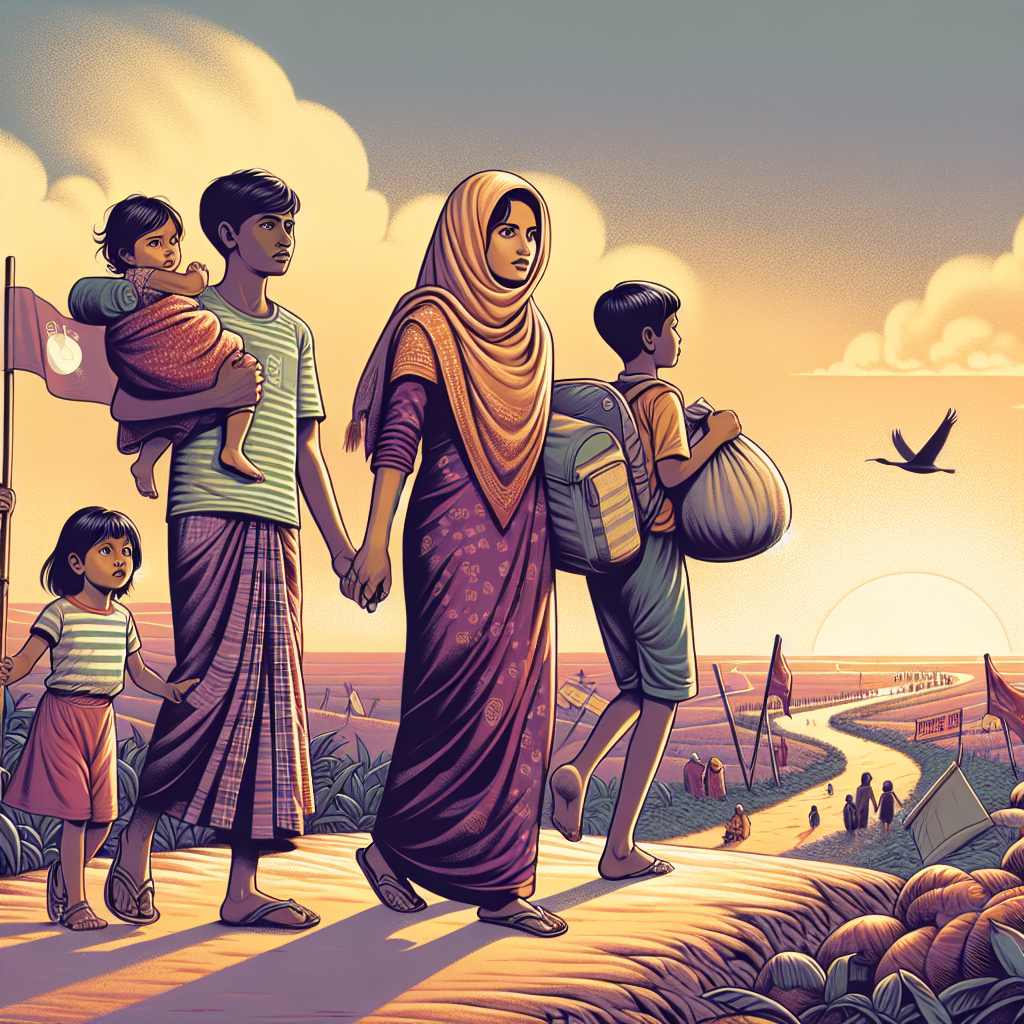
Myanmar has confirmed that 180,000 Rohingya refugees, who fled their homeland during a brutal military crackdown in 2017, are eligible to return from camps in Bangladesh. The announcement was made by the Bangladesh government on the heels of diplomatic talks in Bangkok, marking a potential breakthrough in the prolonged repatriation discussions.
Currently, more than a million Rohingya are living in the world's largest refugee settlement in southeastern Bangladesh. The crisis began when Myanmar's military launched an aggressive campaign against the Rohingya, leading to mass displacement. Despite recent developments, many refugees insist that Myanmar should allow all of them to return, not just a selected few.
The list of refugees eligible to return includes 180,000 names out of 800,000 presented by Bangladesh. Myanmar continues to review an additional 70,000 names, while 550,000 names await further verification. However, past repatriation attempts in 2018 and 2019 collapsed as refugees feared prosecution and demanded full rights and citizenship upon return.
(With inputs from agencies.)
ALSO READ
Cyber Slavery: Rescue and Repatriation of Indian Victims
UN Elects Former Iraqi President Barham Salih as New UNHCR High Commissioner
Trump's Bold Citizenship Revocation Strategy Sparks Controversy
Karnataka High Court Steps in for Pakistani National's Citizenship Bid
High Court Transfers Rahul Gandhi Citizenship Case to Lucknow


 Google News