



Rock Lobster Ban in Inner Hauraki Gulf Set to Rebuild Marine Balance
Three-Year Closure to Aid Lobster Recovery and Combat Destructive Kina Barrens.
- Country:
- New Zealand
In a significant move to restore marine biodiversity and support long-term sustainability, Oceans and Fisheries Minister Shane Jones has announced a full closure of the inner Hauraki Gulf to all commercial and recreational fishing of spiny rock lobster (kōura) for three years, starting from 1 April 2025.
The decision comes after mounting concerns from local communities and corroborating scientific evidence pointing to a severe decline in rock lobster numbers in the region. According to fishery-independent research conducted by Fisheries New Zealand, the population of these ecologically important crustaceans has plummeted in recent years, prompting urgent calls for intervention.
“Locals have raised serious concerns about the decline of spiny rock lobster in the inner Hauraki Gulf, and this has been backed up by robust research,” said Minister Jones. “I share these concerns, and to help the lobster population recover, I’ve decided to stop all rock lobster fishing in the inner Gulf.”
Ecological Significance and Kina Barrens
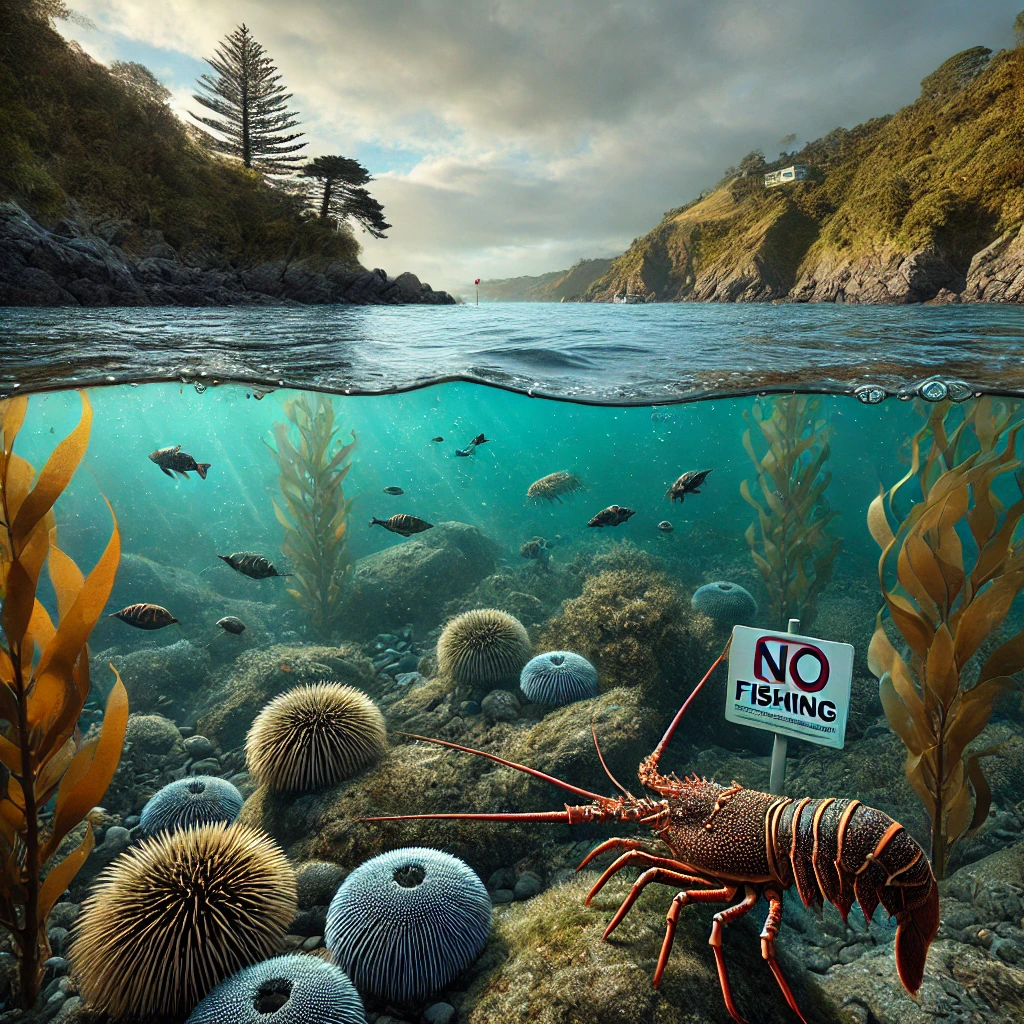
The decision is part of a broader strategy to restore balance to marine ecosystems. Rock lobsters play a key role in controlling populations of kina (sea urchins), which, when left unchecked, can devastate underwater kelp forests by overgrazing. This leads to what scientists call “kina barrens” – large areas of seafloor stripped of vegetation and marine life.
“Restoring this fishery will also help address an issue I have prioritised – kina barrens,” Jones said. “Rock lobsters help keep kina numbers in check, and their recovery is essential to maintaining the health of our coastal marine habitats.”
Details of the Closure
The fishing ban covers a broad area of the inner Hauraki Gulf, extending from the Cape Rodney-Okakari Point Marine Reserve near Leigh, down the eastern coastline to Point Jackson Bay on the Coromandel Peninsula. This area includes popular fishing and diving spots, meaning the closure will impact both commercial operations and recreational activities.
“This is a difficult decision, but a necessary one to allow the ecosystem to bounce back,” said Jones. “The evidence is clear: without intervention, we risk losing not only the rock lobster but the vital role they play in maintaining ecological balance.”
No Catch Limit Increases Elsewhere
While some commercial fishers had hoped for higher catch limits elsewhere in the Hauraki Gulf, Jones confirmed he would not be increasing limits in other parts of the fishery. Current management settings are expected to support continued recovery without additional harvesting pressure.
“In the rest of the Hauraki Gulf rock lobster fishery, the stock is showing signs of improvement under current settings,” Jones said. “Leaving those limits unchanged will provide a further buffer and contribute to the overall health of the population.”
Cautious Changes in Otago and Tuna Adjustments
Beyond the Hauraki Gulf, adjustments are also being made to lobster catch settings in Otago, where the Minister said a “cautious approach” has been taken to preserve long-term sustainability. Specific changes were not detailed but are part of the regular biannual sustainability reviews conducted by Fisheries New Zealand.
Meanwhile, New Zealand’s catch limits for Pacific bluefin tuna have been increased, reflecting strong stock levels throughout the Pacific Ocean. These migratory fish are managed under international agreements through the Western Central Pacific Fisheries Commission (WCPFC), of which New Zealand is a member.
“Pacific bluefin tuna are doing well across the Pacific,” said Jones. “We’re seeing more of them in New Zealand waters, and the WCPFC has agreed to increase our catch allocation.”
The total catch limit for the current fishing year will rise by 84 tonnes, with an additional 6.5 tonnes added for the next fishing year beginning 1 October 2025. This includes increases across commercial, customary, and recreational allowances.
Stakeholder Input Valued
Minister Jones acknowledged the high level of public engagement during the consultation process. “I want to acknowledge everyone who provided feedback on the proposals. The many submissions we received from tangata whenua, recreational and commercial fishers, environmental groups, and the public played an important part in the advice I received from officials, and the decisions I made.”
Looking Ahead
The inner Hauraki Gulf rock lobster ban is expected to be reviewed after the three-year closure period. Fisheries New Zealand will continue monitoring lobster stocks and ecosystem health to assess the success of the intervention.
“We have a responsibility to future generations to ensure that our fisheries are healthy, sustainable, and resilient,” Jones concluded. “This closure is an investment in the future of the Gulf, its biodiversity, and the communities that rely on it.”
The move marks one of the most significant marine conservation actions in the region in recent years, reinforcing New Zealand’s commitment to sustainable fisheries management and marine ecosystem health.
- READ MORE ON:
- Rock Lobster
- Hauraki Gulf
- Shane Jones


 Google News