



U.S. National Security Efforts to Counter Russian Interference Stalled
U.S. national security agencies halted operations against Russian sabotage and cyberattacks after a change in administration, reducing monitoring and coordination efforts. The altered priorities have sparked concern among officials, although intelligence sharing with European allies continues amid policy shifts favoring Russia under President Trump.
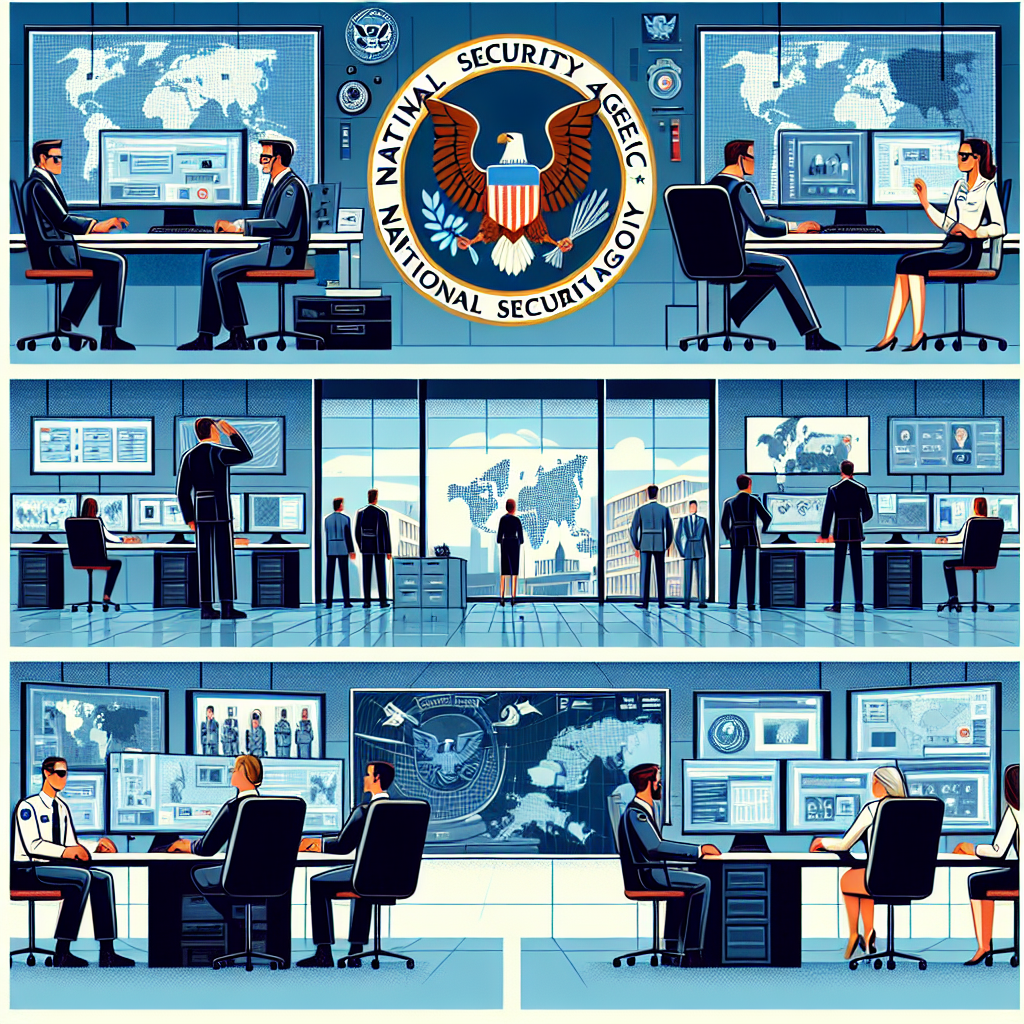
Amid shifting U.S. foreign policy priorities, national security agencies have significantly slowed their efforts to counter Russian sabotage, disinformation, and cyberattacks. This pause comes under President Trump's administration, easing the pressure that previous efforts had placed on Moscow.
Initially, President Biden's administration assembled a coordinated response involving multiple U.S. agencies working alongside European allies to monitor and counter Russian hybrid warfare. However, since Trump's inauguration, these initiatives have been significantly dialed back, raising concerns among officials about de-prioritizing an important security threat.
Meetings between the U.S. National Security Council and European national security officials remain unscheduled, and inter-agency coordination has been reduced. Despite this, some intelligence sharing with European counterparts is ongoing, as the administration navigates a complex geopolitical landscape involving a volatile relationship with Russia.
(With inputs from agencies.)
ALSO READ
In Pursuit of Peace: The Great Gamble in Ukraine's Future
New Hope in U.S.-Russia Peace Talks to End Ukraine War
High-Stakes Diplomacy: U.S. Seeks Resolution in Ukraine Conflict
Escalation in Odesa: Russia's Unyielding Assault on Ukraine's Black Sea Ports
Global Headlines: Ukraine's Diplomacy Efforts, Bangladesh's Call for Calm, and More


 Google News