



KZN Premier Ntuli Champions Faith-Based Unity to Combat Social Ills
The Premier's remarks spotlighted the role of moral regeneration as a key pillar of KwaZulu-Natal’s development agenda.
- Country:
- South Africa
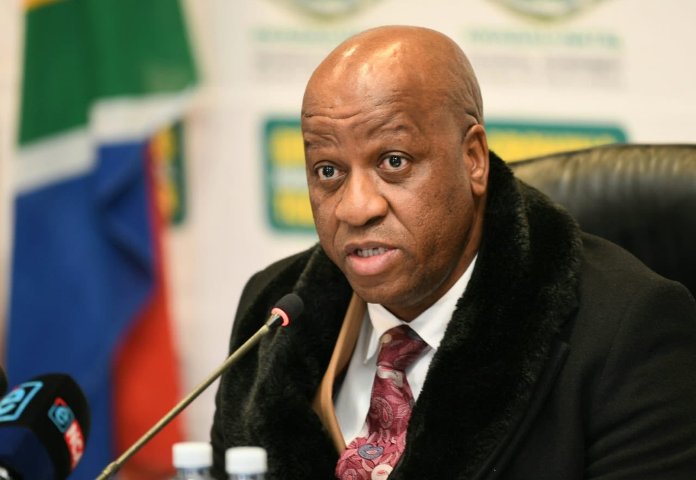
In a compelling address at the recent Interfaith Symposium held in Glencoe, KwaZulu-Natal Premier Thamsanqa Ntuli emphasized the indispensable role of faith-based collaboration in healing fractured communities and fostering social cohesion across the province. The gathering, hosted under the auspices of the Umzinyathi District Municipality, attracted a diverse array of religious leaders, community activists, and civil society organizations united by a common goal: restoring moral values and addressing pervasive social challenges.
Moral Authority Meets Public Policy
Premier Ntuli asserted that effective solutions to South Africa’s deep-rooted societal issues require more than legislative frameworks—they demand the compassion and moral authority embedded within faith traditions. “The fight against social ills requires more than just policy; it demands the moral authority and compassion that our faith communities provide,” Ntuli told attendees as he unveiled a suite of Parliamentary resolutions designed to ignite grassroots collaboration.
The Premier's remarks spotlighted the role of moral regeneration as a key pillar of KwaZulu-Natal’s development agenda. He acknowledged that while government institutions play a central role in service delivery and policy formation, they cannot operate in isolation. Instead, they must embrace partnerships with spiritual institutions that wield significant influence at the community level.
A Unifying Platform for Collective Action
The symposium, hailed as a historic milestone in provincial interfaith engagement, provided a critical platform for inclusive dialogue. Representatives from Christian, Muslim, Hindu, Jewish, African Traditional, and other religious communities came together to reflect on their collective responsibilities in addressing societal malaise—ranging from substance abuse and violent crime to youth delinquency, poverty, and moral erosion.
The Premier called for a reinvigoration of the province’s moral regeneration movement, urging faith-based organizations to spearhead initiatives that not only inspire but also activate communities toward ethical living and shared prosperity.
Key Resolutions: Faith in Action
Premier Ntuli outlined a bold and practical set of resolutions aimed at operationalizing the province’s moral vision. These include:
-
Joint community outreach programmes aimed at uplifting marginalized and vulnerable populations, particularly in under-resourced areas.
-
Strategic partnerships between government departments and religious institutions to facilitate youth development programmes, leadership mentorship, and job-readiness training.
-
Faith-led interventions to address crime prevention and rehabilitation from substance abuse, including support networks for recovering individuals.
-
Promotion of interfaith tolerance and cultural harmony, fostering peace and unity through cross-cultural religious exchanges and cooperative initiatives.
“These resolutions are not symbolic,” Ntuli emphasized, “They are a call to action to strengthen the moral fabric of our society. We must weave a safety net of faith, ethics, and compassion around our people.”
Government Affirms Role of Religious Institutions
The symposium’s outcomes reinforce the provincial government’s commitment to elevating the role of religious institutions in shaping ethical, inclusive, and resilient communities. The event was not only a demonstration of unity across faith traditions but also a blueprint for action grounded in shared values.
By institutionalizing interfaith cooperation, KwaZulu-Natal hopes to turn moral renewal from an aspiration into a lived reality for every citizen, especially the youth, who remain most vulnerable to the province’s social pitfalls.
Looking Ahead: Faith as a Catalyst for Change
As KwaZulu-Natal navigates the complex dynamics of inequality, unemployment, and moral decay, the Interfaith Symposium in Glencoe emerges as a beacon of hope and solidarity. The Premier’s leadership signals a shift toward inclusive governance—one that embraces not only economic development but also ethical restoration as vital to the province’s future.
Premier Ntuli concluded with a rousing affirmation: “Let this be a turning point—a new chapter in our journey to heal, empower, and unite our people through faith, service, and unwavering purpose.”


 Google News