



Tariff Turbulence: Impact on U.S. Labor Market and Economy
The U.S. labor market remains stable as unemployment claims decrease. However, new tariffs imposed by President Trump risk sparking retaliatory economic actions and increased inflation. While layoffs remain low, uncertainty and potential recession loom due to tariffs and federal cuts, impacting hiring and business sentiments.
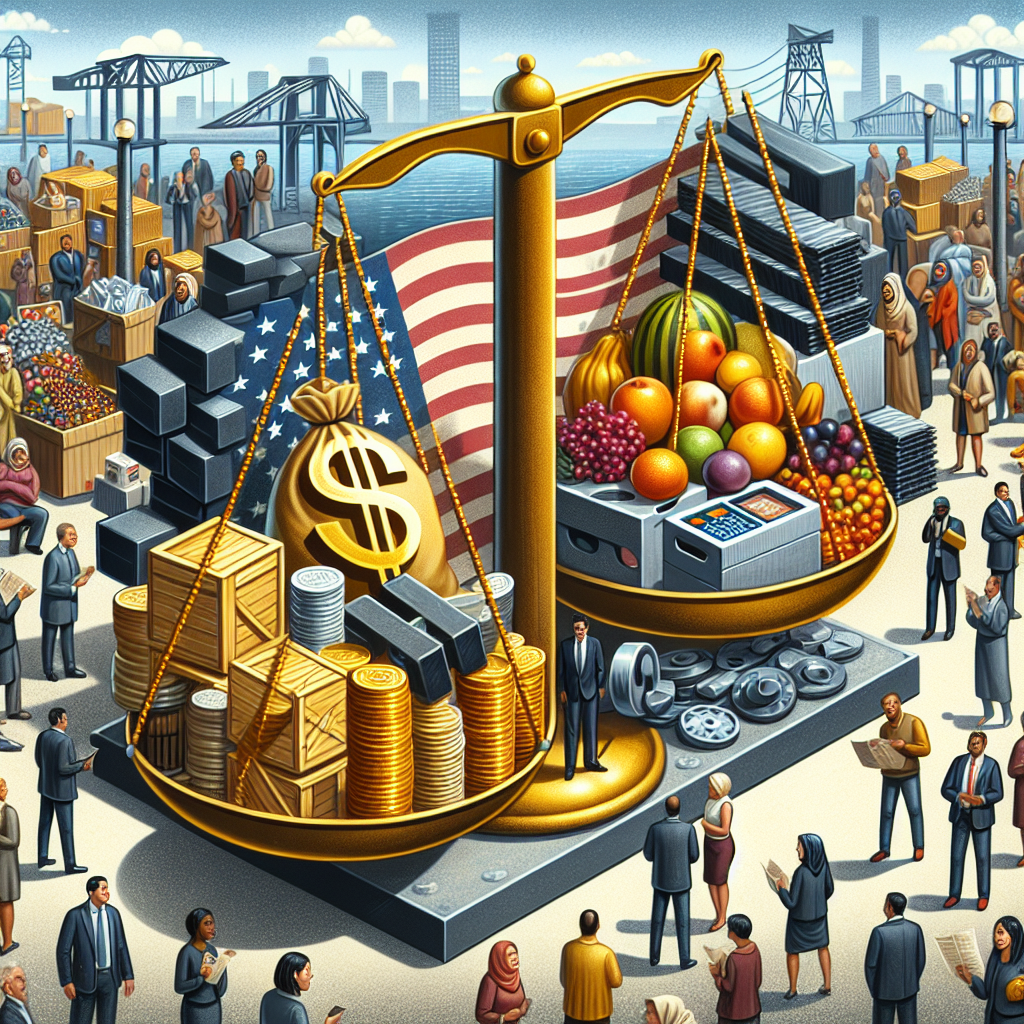
The number of Americans filing new unemployment claims fell last week, signaling a steady labor market despite looming economic challenges from new import tariffs.
President Trump's announcement of a 10% tariff on most U.S. imports has provoked international backlash, though initial domestic layoffs remain low. With these tariffs, the U.S. now faces its highest tariff rates in over a century, according to Fitch Ratings. Economists warn of potential inflation and recession, as consumer and business confidence diminishes.
Despite survey predictions of 225,000 new claims, actual filings decreased to 219,000. However, federal cuts and economic uncertainty threaten future stability, as recent data shows plummeting stock values and rising unemployment claims post-initial aid.
(With inputs from agencies.)


 Google News