



The Unseen Connection: HPV and Heart Disease Risk Unveiled
Research presented at the American College of Cardiology has found that individuals positive for human papillomavirus (HPV) face a 40% higher risk of heart disease compared to HPV-negative individuals. The study suggests HPV could be an overlooked risk factor for cardiovascular conditions, underlining the importance of considering non-conventional factors in heart disease monitoring.
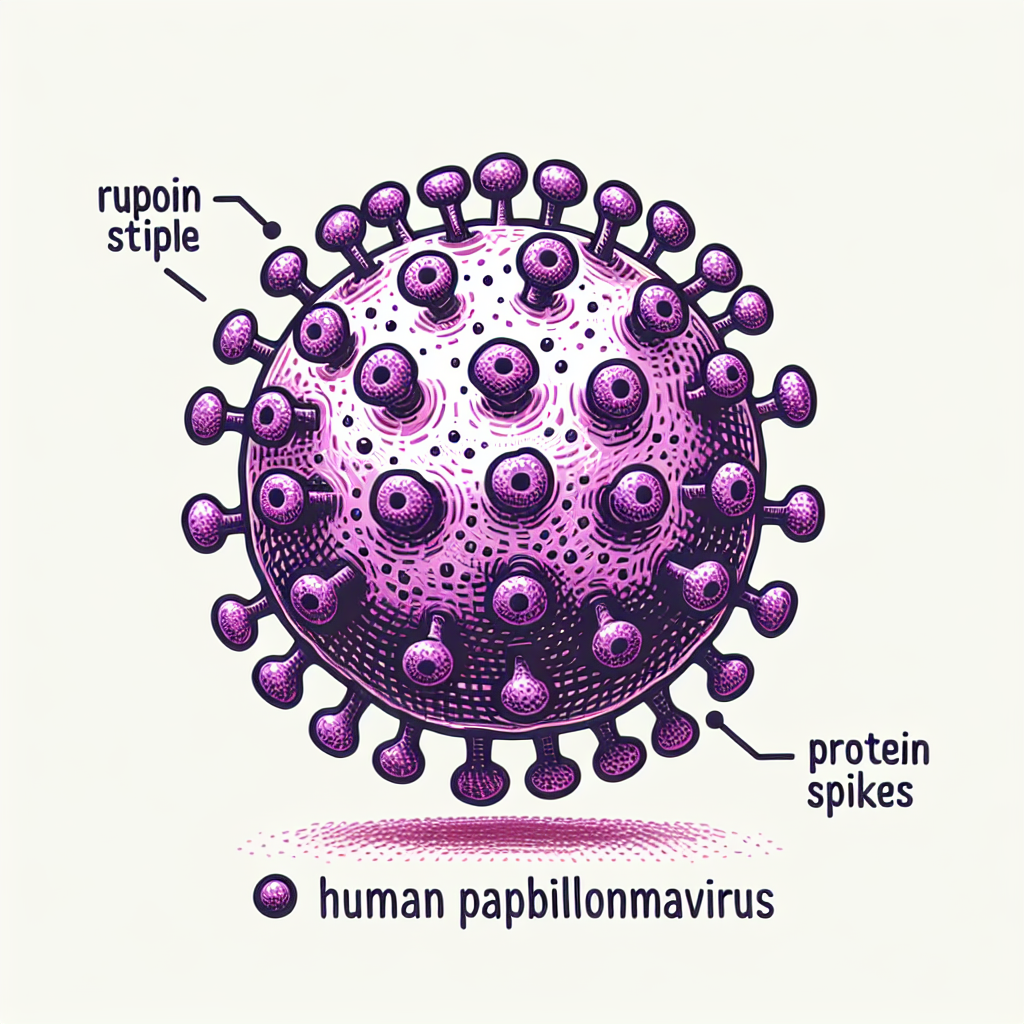
A recent study presented at the American College of Cardiology's Scientific Session in Chicago has spotlighted a surprising link between human papillomavirus (HPV) and increased cardiovascular disease risk. Analyzing data from seven studies involving nearly 250,000 volunteers, researchers discovered that HPV-positive individuals are 40% more likely to develop heart disease than those without the virus.
Crucially, the research shows that even after adjusting for lifestyle and medical history, HPV-positive patients had a 33% heightened risk of cardiovascular disease. This underscores the need for healthcare providers to monitor heart health closely in HPV-positive patients, similar to those with conventional heart risk factors.
Study leader Dr. Stephen Akinfenwa emphasized the importance of recognizing HPV as a non-traditional cardiovascular risk factor potentially linked to chronic inflammation. The research team is keen to explore whether HPV vaccination can mitigate cardiovascular risks, offering a proactive approach to potentially reduce heart disease incidents.
(With inputs from agencies.)
ALSO READ
Putin Promises Review of Jailed French Researcher's Case
RRI Study Finds Intergalactic Gas May Distort Galaxy Halo Mass Measurements
Strengthening research, use of digital tech, trusted regulatory framework will further bolster traditional medicine: PM Modi at WHO meet.
Trump Sparks Cannabis Revolution: Federal Reclassification to Accelerate Medical Research
Forging Global Ties: CUJ and University of Southampton's Collaborative Research Venture


 Google News