



World TB Day 2025: WHO Warns of Reversing Decades of Progress Amidst Global Funding Cuts, Calls for Urgent Investment to End Tuberculosis
Despite TB being both preventable and curable, it remains the world’s deadliest infectious disease, claiming over 1.3 million lives annually.
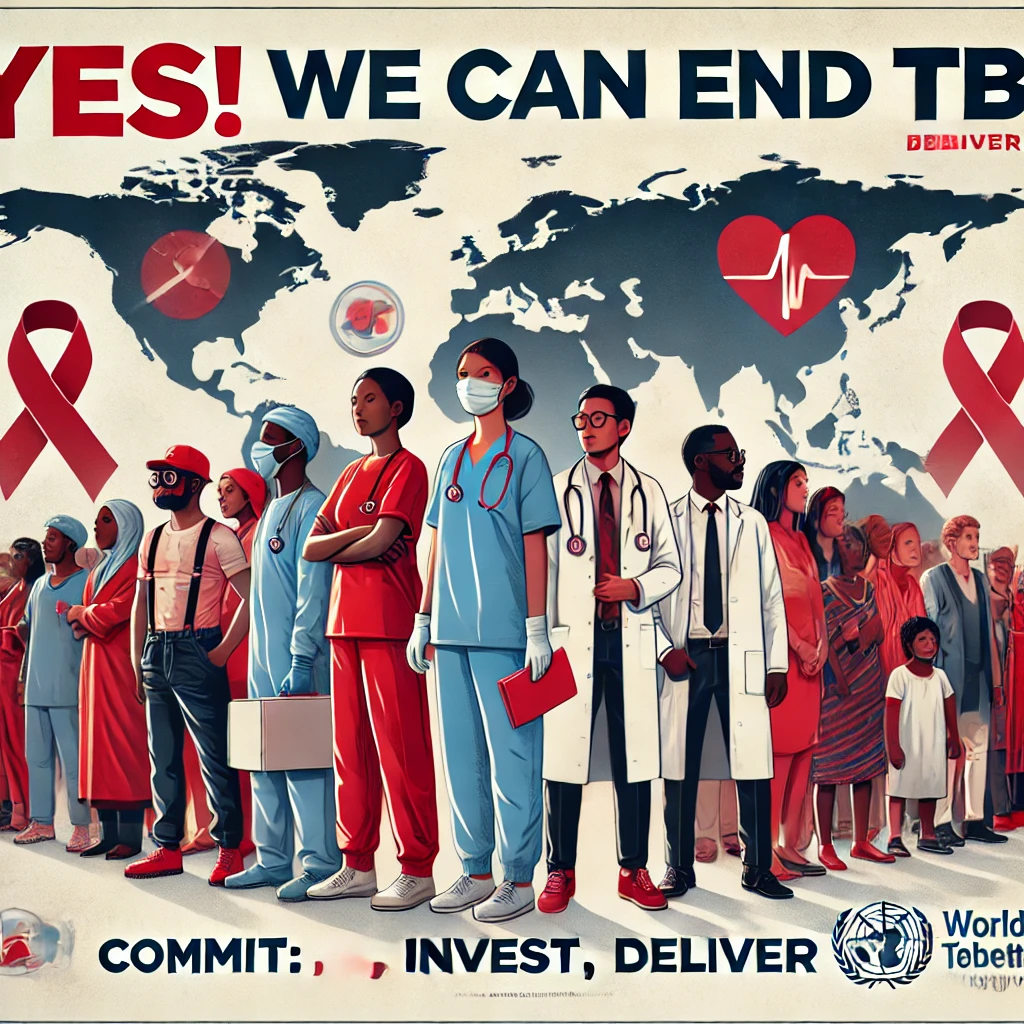
On the occasion of World Tuberculosis (TB) Day, observed annually on 24 March, the World Health Organization (WHO) is making a powerful call to action for immediate and increased investments in TB care and support services worldwide. Under the theme “Yes! We Can End TB: Commit, Invest, Deliver,” this year’s campaign delivers a message of urgency, accountability, and hope.
Despite TB being both preventable and curable, it remains the world’s deadliest infectious disease, claiming over 1.3 million lives annually. Since 2000, global efforts have saved an estimated 79 million lives, but recent drastic cuts in global health funding now threaten to unravel these hard-won gains.
“The huge gains the world has made against TB over the past 20 years are now at risk as funding cuts disrupt access to prevention, screening, and treatment,” warned Dr Tedros Adhanom Ghebreyesus, WHO Director-General. “We cannot afford to abandon the commitments made at the 2023 UN General Assembly to accelerate efforts to end TB. WHO remains committed to working with governments, donors, and partners to mitigate the crisis.”
Funding Crisis: A Global Threat to TB Control
Preliminary data from WHO indicates severe disruptions in TB services across 27 high-burden countries, especially in the African Region, followed by South-East Asia and the Western Pacific. The most pressing impacts include:
- Shortage of healthcare workers, reducing access to diagnosis and treatment;
- Breakdowns in diagnostic services, delaying detection and increasing risk of spread;
- Crumbled data and disease surveillance systems, weakening tracking and outbreak response;
- Collapse of community engagement, limiting screening, case finding, and contact tracing;
- Drug stockouts, with nine countries reporting failed TB drug procurement and disrupted supply chains.
These cuts have compounded an already chronic underfunding crisis. In 2023, only 26% of the US$22 billion required for annual TB prevention and care efforts was available. Furthermore, TB research and innovation face a massive gap, with only US$1 billion invested in 2022—just 20% of the US$5 billion needed annually for the development of new diagnostics, treatments, and vaccines.
A United Call: WHO and Civil Society Urge Action
In a joint statement with the Civil Society Task Force on Tuberculosis, WHO has outlined five urgent priorities for global and national stakeholders:
- Rapidly restore TB services to pre-crisis levels, responding to the scope of disruptions;
- Secure sustainable domestic financing to ensure long-term, equitable access;
- Protect essential TB services, including access to drugs, diagnostics, and treatment;
- Strengthen cross-sector collaboration through national platforms involving civil society, NGOs, health professionals, and donors;
- Enhance monitoring systems to provide real-time alerts on service disruptions.
“This urgent call comes at a critical moment,” said Dr Tereza Kasaeva, Director of WHO’s Global Programme on TB and Lung Health. “Every dollar invested in TB yields a return of $43, highlighting that ending TB is not just a moral duty—but also a smart economic decision.”
Integrating TB and Lung Health in Primary Care
In response to resource constraints, WHO is leading efforts to integrate TB and broader lung health services into primary healthcare systems. New technical guidance released this week outlines:
- Comprehensive prevention strategies that target both TB and comorbid conditions;
- Early diagnosis and management of TB, respiratory diseases, and shared risk factors;
- Sustained follow-up care to improve outcomes and reduce transmission;
- Synergies with non-communicable disease programs, targeting risks like tobacco use, air pollution, malnutrition, and poor living conditions.
By streamlining TB care with broader health services, WHO aims to build resilient health systems that respond not only to TB, but to a spectrum of respiratory and chronic conditions.
A Global Appeal: Everyone Has a Role to Play
On World TB Day 2025, WHO calls upon governments, civil society, international donors, private sectors, and individuals to renew their commitment and take collective action to end TB.
Without immediate intervention, decades of progress are at risk, potentially costing millions of lives and compromising global health security.
"Ending TB is achievable," emphasized Dr Tedros. "But it requires consistent leadership, adequate resources, and unwavering commitment. The world must act—now."
Fast Facts About TB (2025):
- 1.3 million deaths globally each year from TB
- 79 million lives saved since 2000 through coordinated TB efforts
- $22 billion annually needed for global TB prevention and care
- Only 26% of needed funding was available in 2023
- $5 billion annually needed for TB R&D; only $1 billion secured in 2022
- Every $1 invested in TB returns $43 in economic benefits
Take Action
Visit www.who.int/tb to learn how you can contribute to the global fight to End TB—because “Yes! We Can End TB.”


 Google News