



Rising Tensions: Energy Crisis as Iran-Israel Conflict Escalates
The ongoing conflict involving Iran, Israel, and the U.S. has caused significant disruptions in the global energy market, with attacks on key infrastructure leading to soaring prices. The situation threatens to evolve into a broader geopolitical crisis as military actions and strategic misalignments intensify tensions.
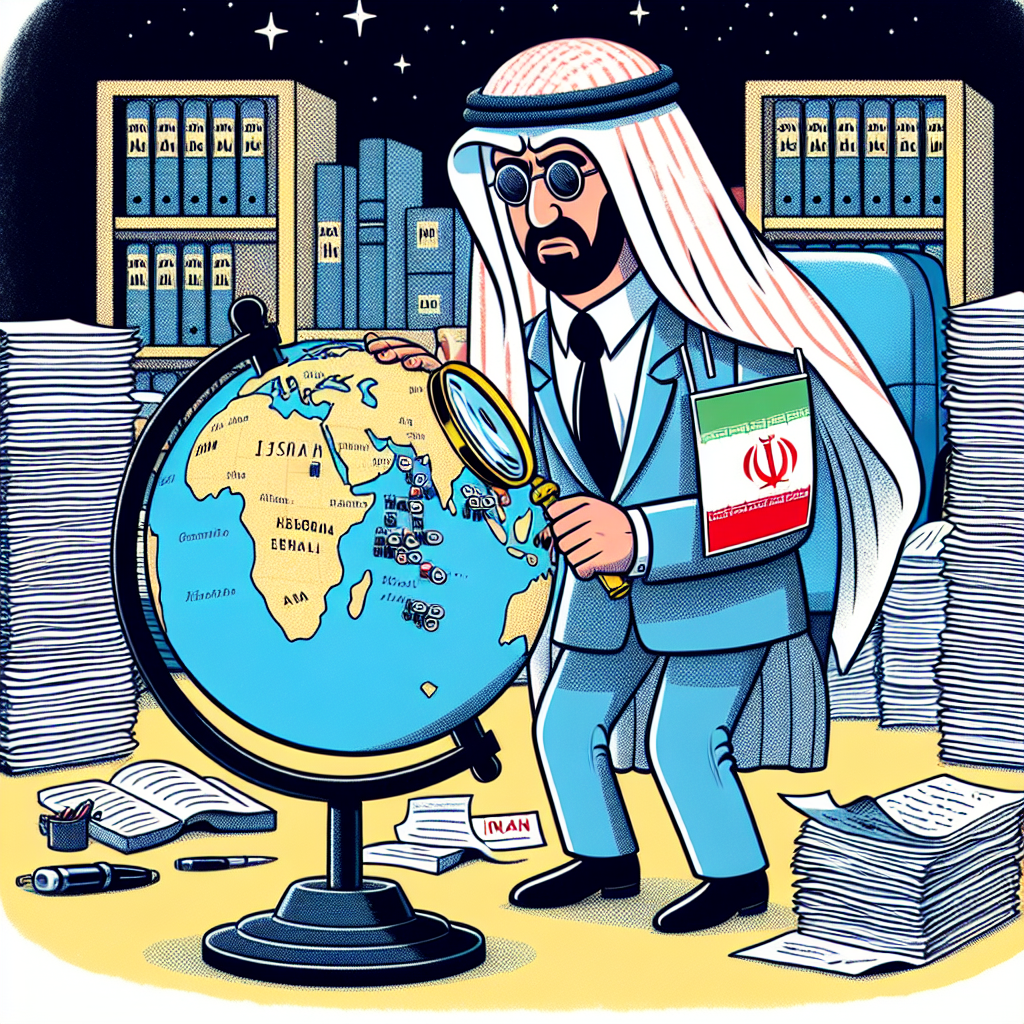
In a rapidly intensifying conflict, strikes on key energy infrastructure have sharply affected global markets. President Donald Trump warned Israeli Prime Minister Benjamin Netanyahu against further attacks after Israel's strike on Iran's South Pars gas field led to retaliatory action. Energy prices have soared as tensions rise.
Amidst the military conflict, Iran's response targeted Qatar's Ras Laffan Industrial City, one of the world's principal liquefied natural gas processors, causing severe damage. The resulting chaos has seen allied nations scrambling to secure crucial shipping routes in the Strait of Hormuz, but with limited immediate action.
This geopolitical crisis highlights significant strategic divides amongst allies and adds potential threats of an 'oil shock' to global economic stability. With Iran's vow to retaliate against further attacks, the international community remains on edge.
(With inputs from agencies.)
ALSO READ
Tensions Rise as Strait of Hormuz Becomes Focus of Middle Eastern Conflict
Gas Cylinder Explosion in Haryana Leaves 11 Injured
Karish Gas Platform Resumes Operations After U.S.-Iran Ceasefire
Bangladesh's Farmers Grapple with Diesel Shortages Amid Iran Conflict
UN Warns Gaza Crisis ‘Overshadowed’ by Iran Conflict as Rights Violations Escalate


 Google News