



Japan Faces Critical Energy Decisions Amid Middle East Conflict
Amid rising tension in the Middle East, Japan considers operating its nuclear plants to stabilize electricity prices. Opposition leader Yuichiro Tamaki advocates for nuclear energy reliance, noting that Japan's energy imports are heavily impacted by the Iran war. Prime Minister Sanae Takaichi supports a nuclear future.
- Country:
- Japan
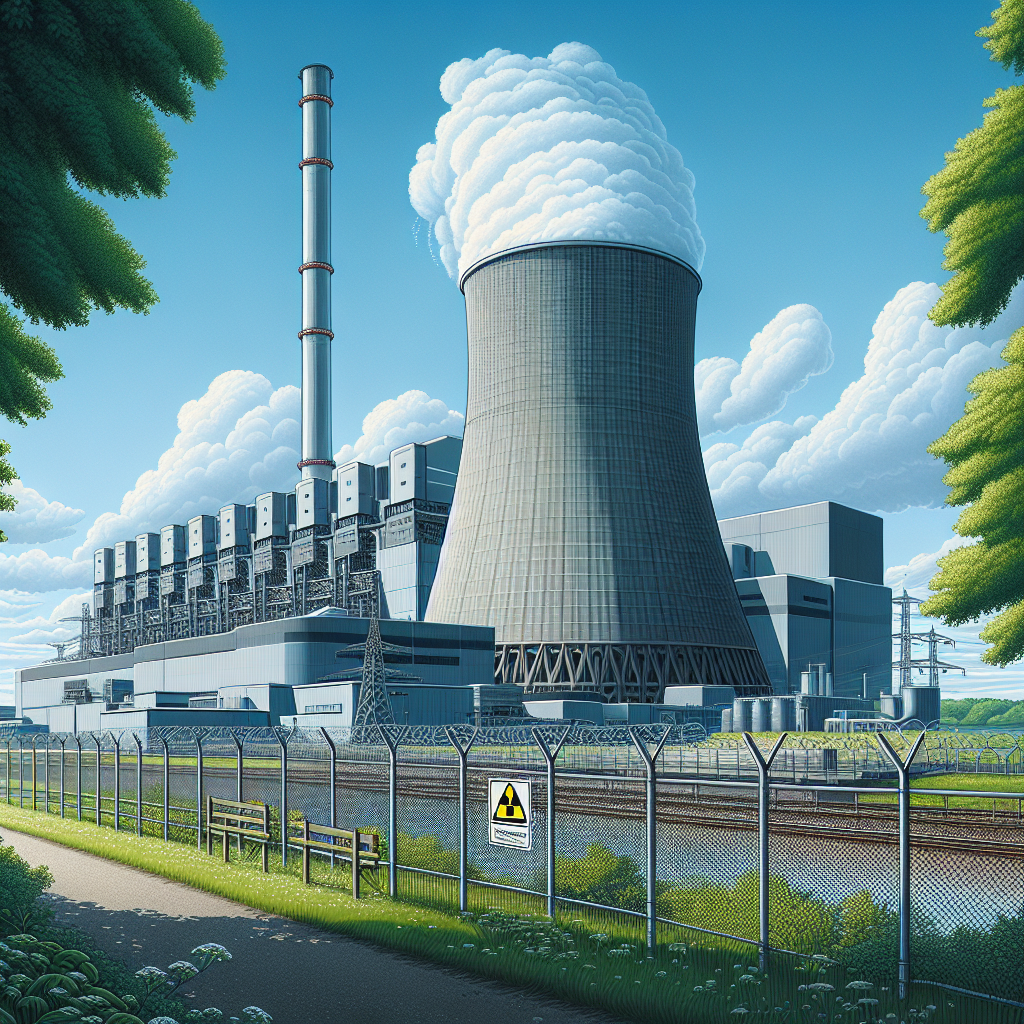
In response to the escalating conflict in the Middle East and its impact on energy supplies, Japan is considering a significant policy shift regarding nuclear power. Yuichiro Tamaki, leader of an opposition party, emphasized the need to operate the nation's nuclear plants to stabilize electricity prices.
Tamaki urged the government to decrease its dependency on foreign energy sources, particularly as oil prices surged sharply, reaching their highest since mid-2022. He pointed out that Japan is heavily dependent on the Middle East for its energy imports, most of which pass through the strategically vital Strait of Hormuz.
Since the 2011 Fukushima disaster, many of Japan's nuclear reactors remain inactive. However, as public and political support shifts towards nuclear energy, and with the backing of Prime Minister Sanae Takaichi, Japan may soon restart and expand its nuclear power operations.
(With inputs from agencies.)
ALSO READ
Vietnam Faces Economic Headwinds Amid Rising Oil Prices
Europe's Refinery Probe: France Calls for Market Abuse Investigation Amid Rising Oil Prices
Senegal Tightens Belts Amid Rising Oil Prices
Market Turmoil: Impact of Rising Oil Prices Amid US-Iran Tensions
Oil Prices Surge Amid Global Tensions: A Deep Dive


 Google News