



India's Bioeconomy Surge: Paving the Path to $300 Billion by 2030
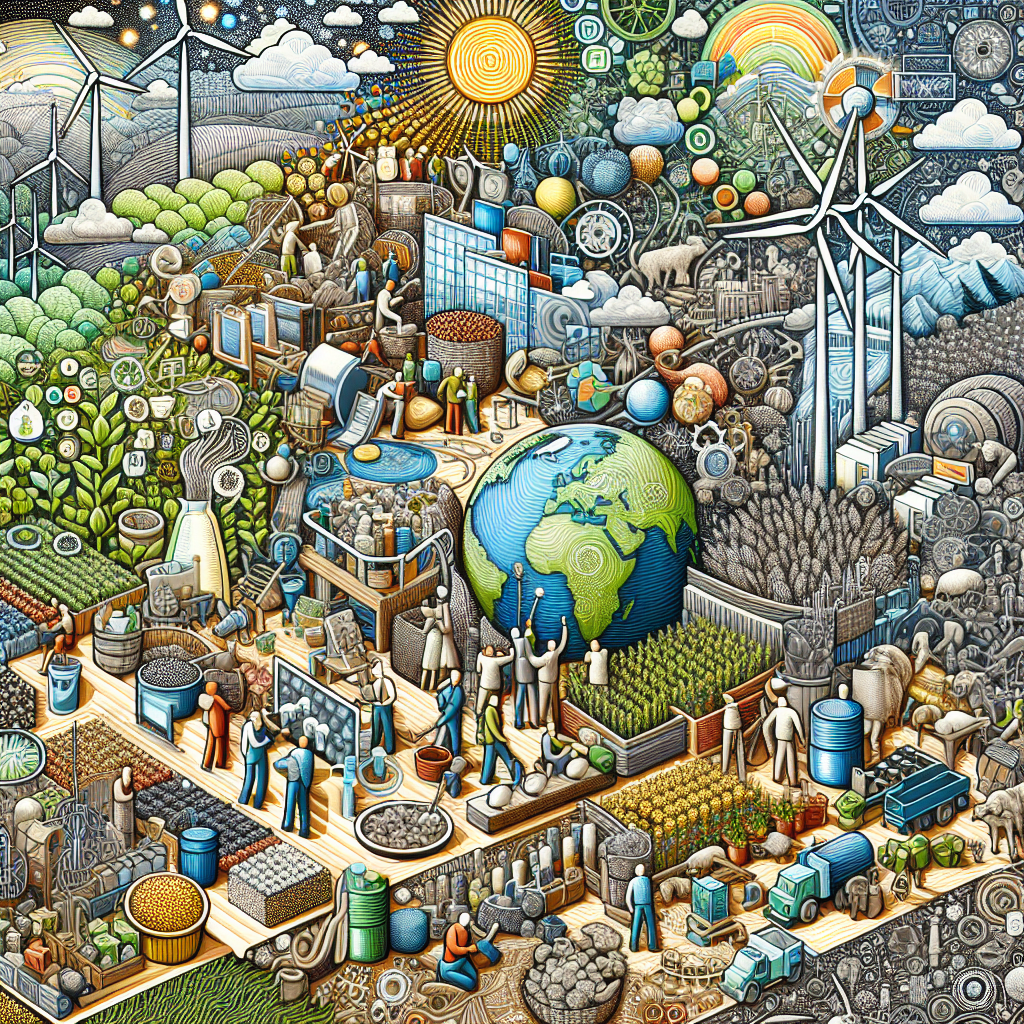
India's bioeconomy, comprising agriculture, forestry, fisheries, and aquaculture, aims for USD 300 billion by 2030, as per NITI Aayog. The sector is crucial for food security and economic growth. The report outlines a technology-driven agricultural roadmap and categorizes farmers into three archetypes for tailored solutions.
- Country:
- India
India's bioeconomy, integrating agriculture, forestry, fisheries, and aquaculture, is set to achieve USD 300 billion by 2030, according to a NITI Aayog study. The report emphasizes a robust agricultural system as essential for national sovereignty and food security.
As highlighted in the report, titled 'Reimagining Agriculture: A Roadmap for Frontier Technology Led Transformation,' agricultural innovation is key to India's ambition of becoming a developed nation by 2047. The sector is positioned as a driver of economic growth, particularly with advances in bioeconomy projected to boost financial returns.
During the report's release, Gujarat Chief Minister Bhupendrabhai Patel spoke on the value of integrating technology at all farming stages, which aids in combating crop diseases, boosting productivity, and reducing cultivation costs. NITI Aayog CEO BVR Subrahmanyam further explained the importance of designing technology solutions that accommodate the diversity of India's farmers.
(With inputs from agencies.)
ALSO READ
Union Cabinet Greenlights Infrastructure Projects to Propel Economic Growth
Unleashing India's Tourism Potential: Turning Visitor Numbers Into Economic Growth
Drone Strikes Threaten Global Food Security in Black Sea
Odisha's NH-326 Transformation: Paving the Way to Economic Growth
Trump's Tax Cuts: A Catalyst for Economic Growth in 2026


 Google News