



EU-Mercosur Trade Deal: Balancing Opportunities and Concerns
The EU-Mercosur trade agreement seeks to significantly reduce tariffs on both sides, offering economic benefits and diversification from Chinese reliance. However, environmental concerns and potential threats to European agriculture stir criticism. France, Italy, and Poland voice opposition, fearing adverse effects on agriculture and standards.
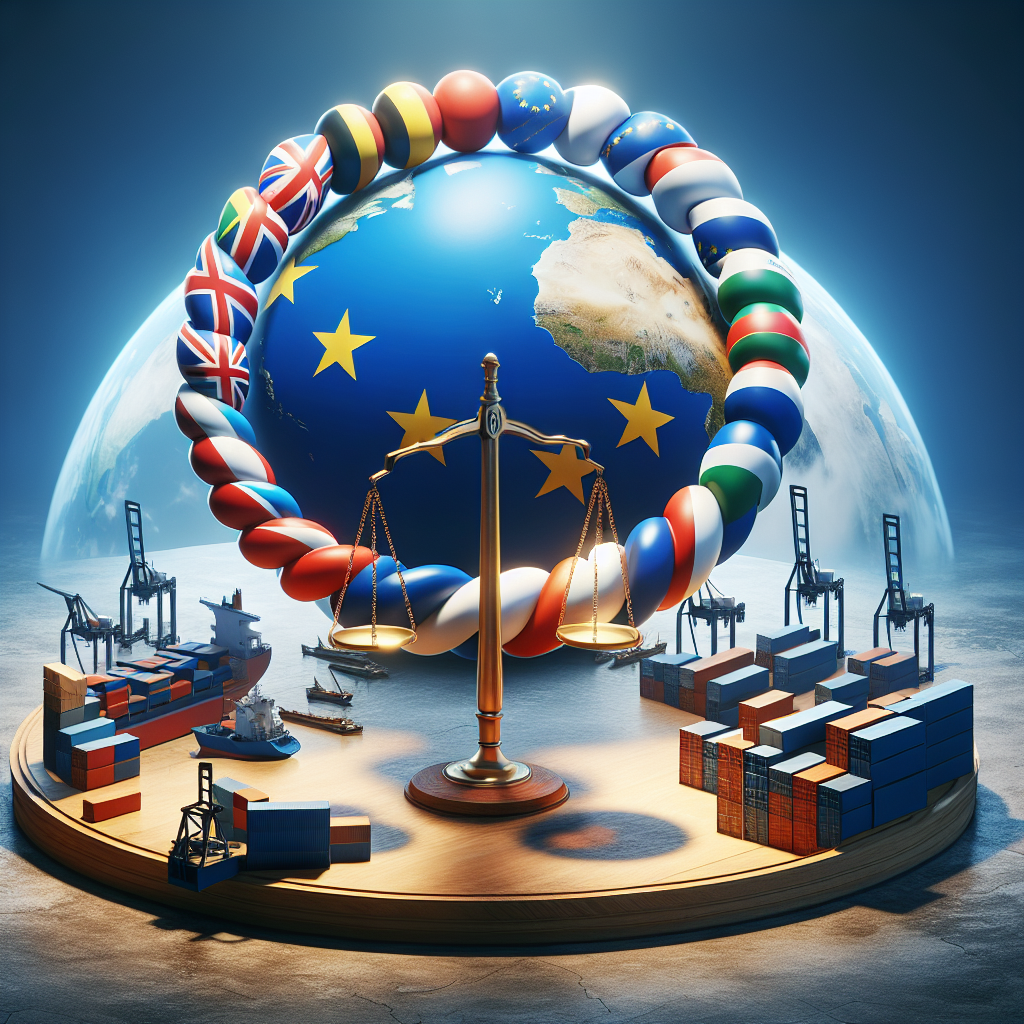
The European Union and South America's Mercosur bloc have advanced a landmark trade accord set for formal proposal by the European Commission. Key features include substantial tariff reductions on both EU and Mercosur exports over the next decade.
For agricultural goods, the deal introduces larger quotas for EU products while Mercosur removes duties on EU products. This agreement aims to pivot away from reliance on China, securing early-market advantages and maintenance of EU standards.
Critics argue the deal might exacerbate deforestation and harm EU farmers. Proponents highlight safeguards, but nations like France demand stronger protections. The debate continues as the European Parliament and member states evaluate the deal.
(With inputs from agencies.)
ALSO READ
Unifying Ministries for Self-Reliance in Critical Minerals
Rewa Model Farm: Pioneering Sustainable Agriculture in Madhya Pradesh
Reviving Agriculture: The Rise of Young Farmers in Senegal
India's Agriculture Sector Achieves Record Output Despite US Tariffs
The New Metals Age: Unveiling Critical Minerals


 Google News