



Tariffs, Weather, and Cocoa: The Struggles of Ivory Coast Farmers
Cocoa farmers in Ivory Coast, the world's largest cocoa producer, face challenges due to adverse weather and potential U.S. tariffs. President Trump's proposed 21% tariff could destabilize the market and threaten farmers' incomes. The situation underscores the global dependency on Ivory Coast's cocoa production.
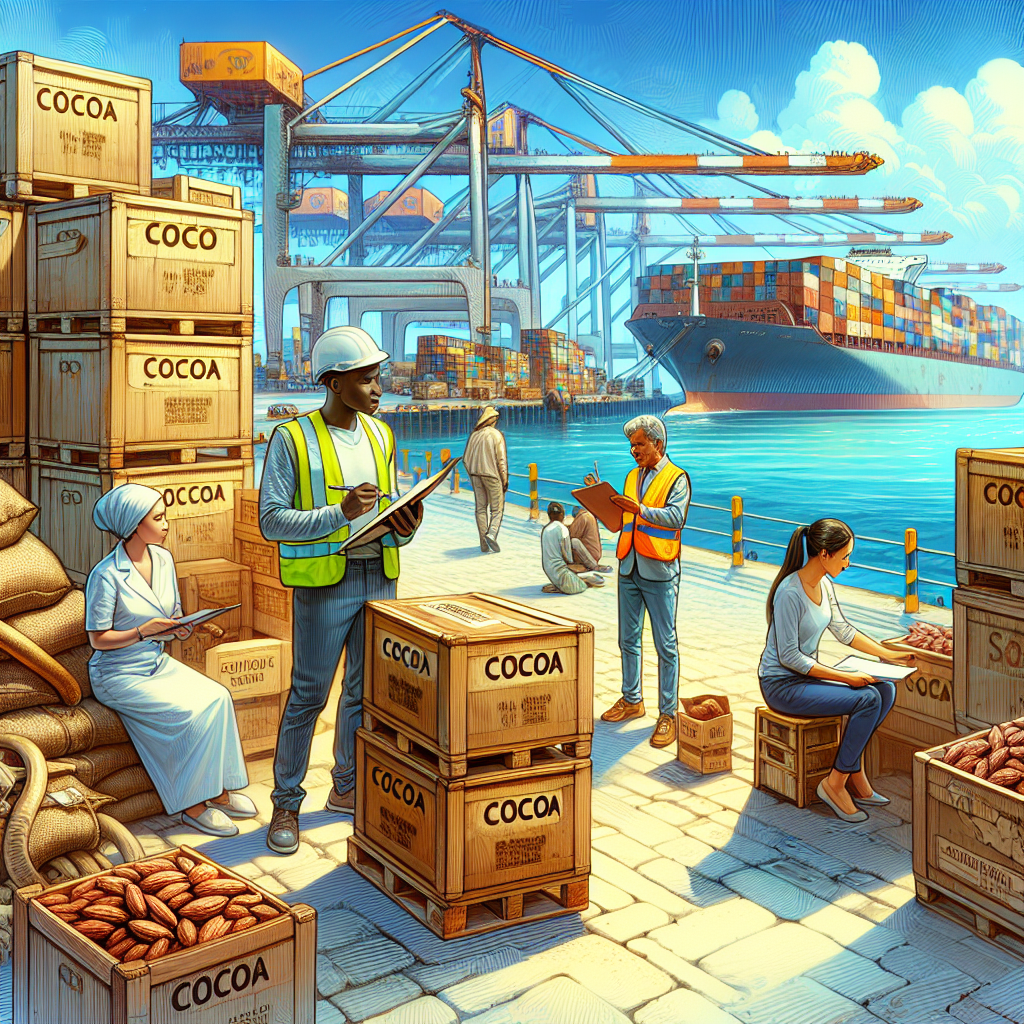
Ivory Coast's cocoa farmers, already battling inconsistent weather and diseases affecting their crops, now face a potential economic strain from the United States. President Donald Trump's proposition to impose a 21 percent tariff on cacao products imported from this West African nation threatens to shake the already vulnerable market.
The tariff, which has been temporarily suspended for 90 days, could lead to increased cocoa prices and market instability, affecting both local farmers and global chocolate supplies. With Ivory Coast as the world's top cocoa producer, accounting for nearly half of global supply, any disruption would ripple through international markets.
Local farmers, like Konan Yao, rely heavily on cocoa as a financial lifeline. However, adverse conditions, coupled with looming tariffs, place substantial pressure on their livelihoods. Authorities in Ivory Coast stress the importance of stabilizing market conditions to safeguard these farmers and the country's economy.
(With inputs from agencies.)
ALSO READ
Global Markets Rise as BOJ's Rate Hike Shakes Yen
Global Markets React to BOJ Rate Hike and Technology Surge
Global Markets Surge Amid Rate Hikes and Optimistic Tech Outlook
Global Market Reactions: Impact of Japan's Interest Rate Hike
Global Markets Rally Amid AI Spending Concerns and Central Bank Meetings


 Google News