



Canada's Inflation Slows as Gas Prices Plunge: Impact on Economy
Canada's inflation unexpectedly decreased to 2.3% in March, aided by plummeting gasoline and travel costs. Analysts predicted a rise, with core inflation still high, affecting economic decisions. Food prices surged, but were offset by declining gas prices. President Trump's tariffs influence future economic strategies.
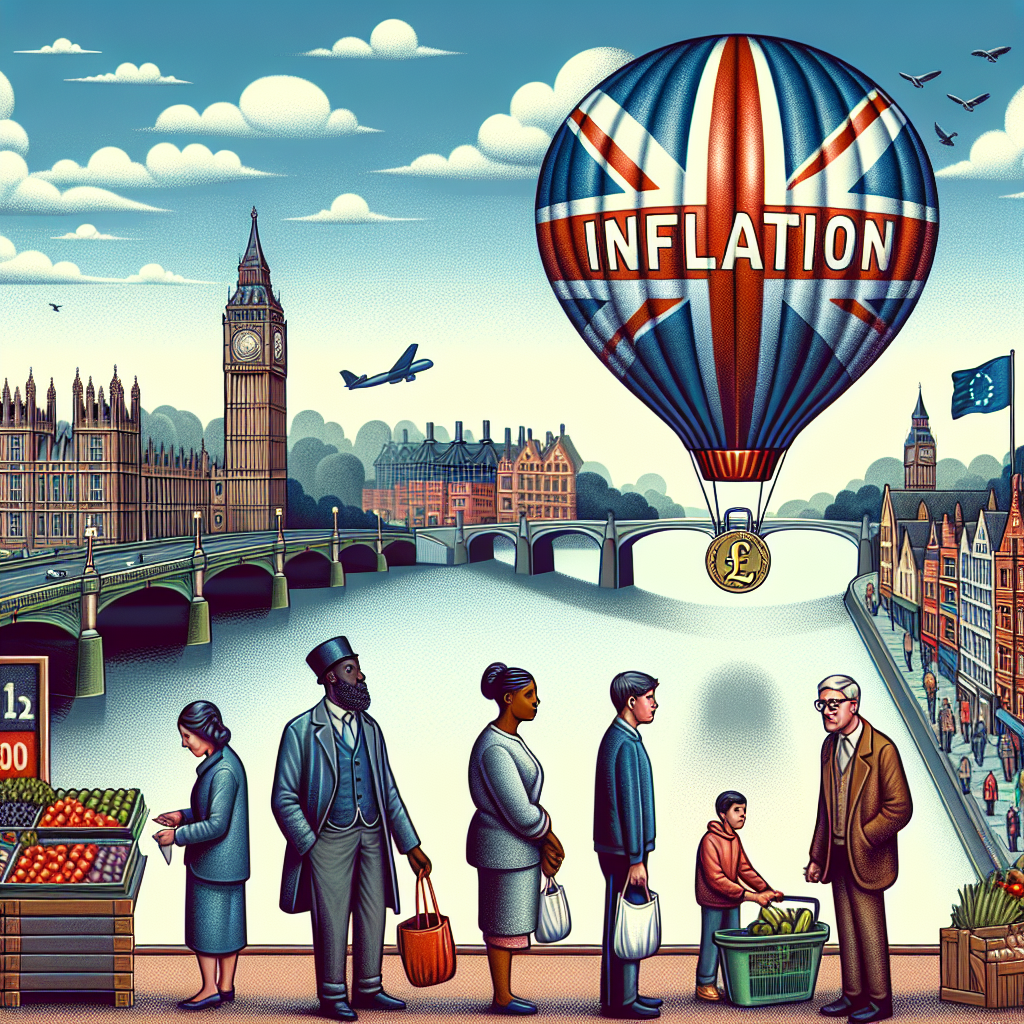
Canada's inflation rate in March unexpectedly fell to 2.3%, a notable drop from the previous month's figures, primarily due to reduced gasoline and travel tour prices. The core inflation measures, crucial for the Bank of Canada, remained elevated, as reported by Statistics Canada.
Market analysts, in a Reuters poll, anticipated the annual inflation rate to hold steady at 2.6%, with an expected monthly increase of 0.6%. However, the actual monthly inflation increase was 0.3%, as reported by Statscan.
After maintaining a rate of 2% or lower for seven months, consumer prices in Canada showed signs of acceleration. A temporary sales tax break helped conceal actual price escalations, evident in the uptick of food and alcoholic beverage prices, which saw a reversal from previous declines in March.
(With inputs from agencies.)
- READ MORE ON:
- Canada
- inflation
- growth
- gasoline
- tariffs
- economy
- prices
- Bank of Canada
- travel costs
- monetary policy
ALSO READ
AfDB Approves $22m to Boost Blue Economy, Fisheries and Food Security in São Tomé
Trump Secures Big Pharma Deals: Lower Drug Prices for Medicaid and Consumers
World Bank Group Approves Innovative Financing to Strengthen Panama’s Economy
A large economy like ours should develop substantial and contemporary manufacturing if it is to keep abreast of technology: Jaishankar.
Oil Prices Tumble Amid Surging Supply: Geopolitical Moves Take Backseat


 Google News