



Central Europe Battles Outbreak of Foot-and-Mouth Disease
Central Europe is grappling with a foot-and-mouth disease outbreak, significantly impacting cattle farms in Hungary and Slovakia. The virus has led to border closures and the culling of thousands of animals. Efforts to contain the virus include strict disinfection measures and border checks to prevent further spread.
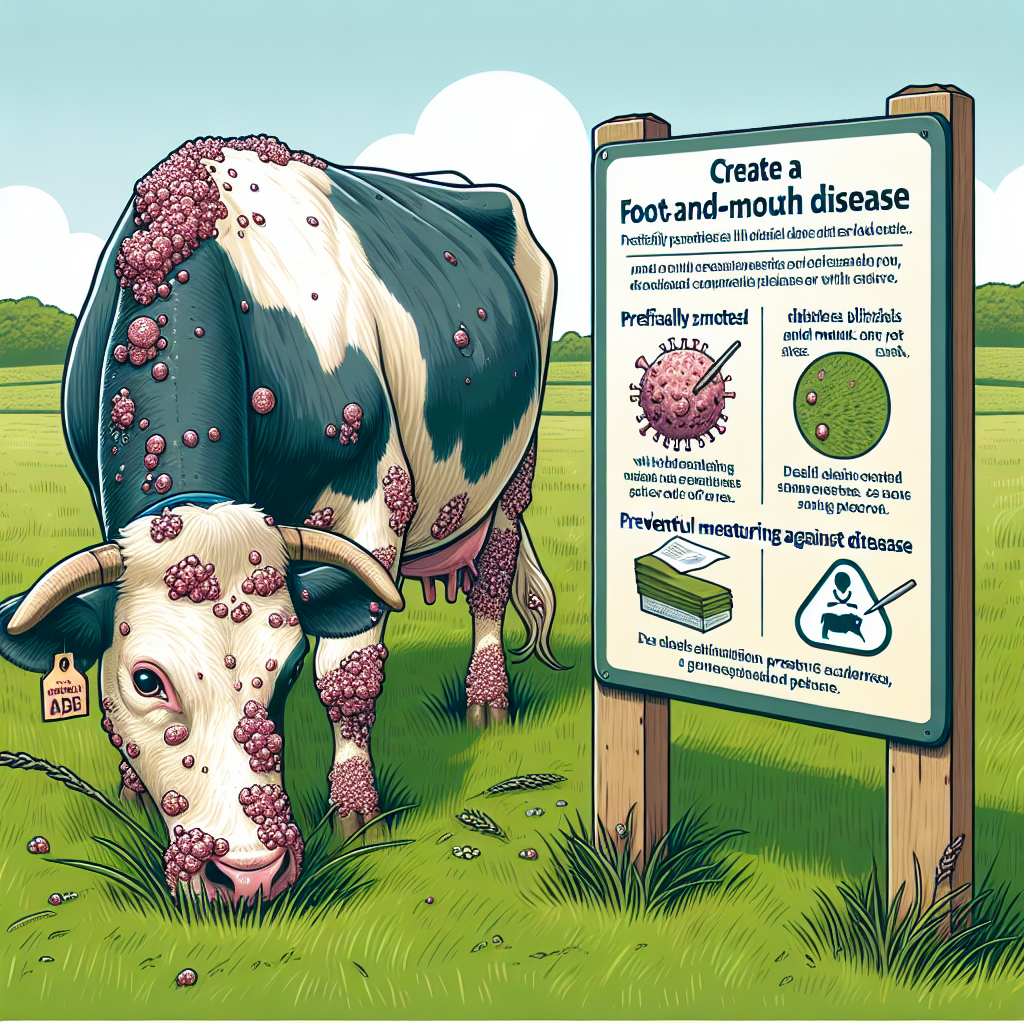
An outbreak of foot-and-mouth disease has gripped Central Europe, sparking extensive border closures and necessitating the culling of thousands of cattle. The virus was initially discovered on a farm in northwestern Hungary in March and quickly spread to Slovakia, marking the first such incident in the region in over 50 years.
The outbreak has severely disrupted local agriculture and transportation, as both Hungary and Slovakia bolster containment measures. Disinfection efforts are ongoing, with authorities placing mats soaked in disinfectant along the roads. Meanwhile, Austria has preemptively closed multiple border crossings, despite no infections reported domestically.
Experts emphasize the significance of human-mediated transmission through vehicles, shoes, and contaminated objects. While the Hungarian government suggests the virus may be artificially introduced, containment remains the focus. Officials aim to ease restrictions gradually, once the last infected farm is cleared. Affected farmers are set for financial relief, including loan moratoriums and compensation for losses.
(With inputs from agencies.)


 Google News