



Markets Reel After Tariff Tweaks Amid US-China Trade War Dynamics
Wall Street's indexes dropped after a rally influenced by President Trump's tariff adjustments. A 90-day pause was announced but tensions with China intensified as reciprocal tariffs persisted. Market volatility was highlighted by shifts in interest rates, economic indicators, and significant stock movements.
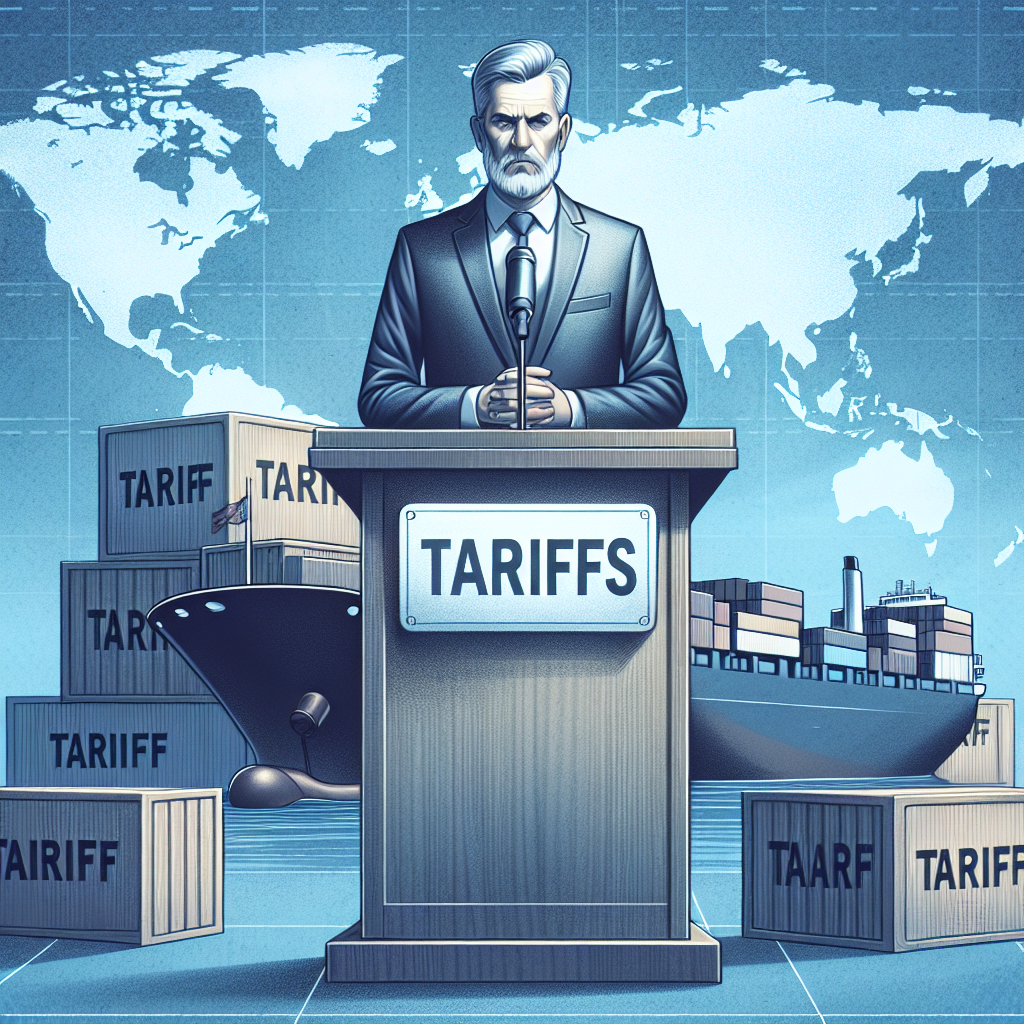
Wall Street's major indexes saw a downturn on Thursday following a short-lived surge after President Donald Trump's temporary reduction of hefty tariffs on multiple countries. This move came just a day after substantial new tariffs impacted most trading allies, propelling the S&P 500 to its best single-day percentage improvement since 2008 and Nasdaq to its largest one-day gain since 2001.
The fluctuation in tariffs continued with Trump announcing a 90-day suspension on many new reciprocal tariffs but hiking tariffs on Chinese imports to 125% from the previous 104%. In response, Beijing had matched these tariffs with an 84% charge on U.S. goods, intensifying the trade standoff between the two nations. The European Union has also agreed on a 90-day halt to counter tariffs on American products due on April 15.
In financial markets, futures rebounded slightly from early session lows after unexpected consumer price index figures showed a 0.1% drop in March, with an annual increase of 2.4%, lower than anticipated. Economists had forecast a 0.1% monthly rise and 2.6% year-on-year climb. This data impacts Federal Reserve interest rate predictions, with traders anticipating nearly 90 basis points in rate cut adjustments by 2025.
(With inputs from agencies.)


 Google News