



Escalating Tariff Tensions: U.S. and China Trade War Jitters Global Markets
The escalating tariff war between the U.S. and China led to market volatility as the U.S. imposed 104% tariffs, followed by China's 84% retaliation. This prompted a selloff in U.S. assets and raised fears of a recession. As a result, global markets saw a decline in investor confidence.
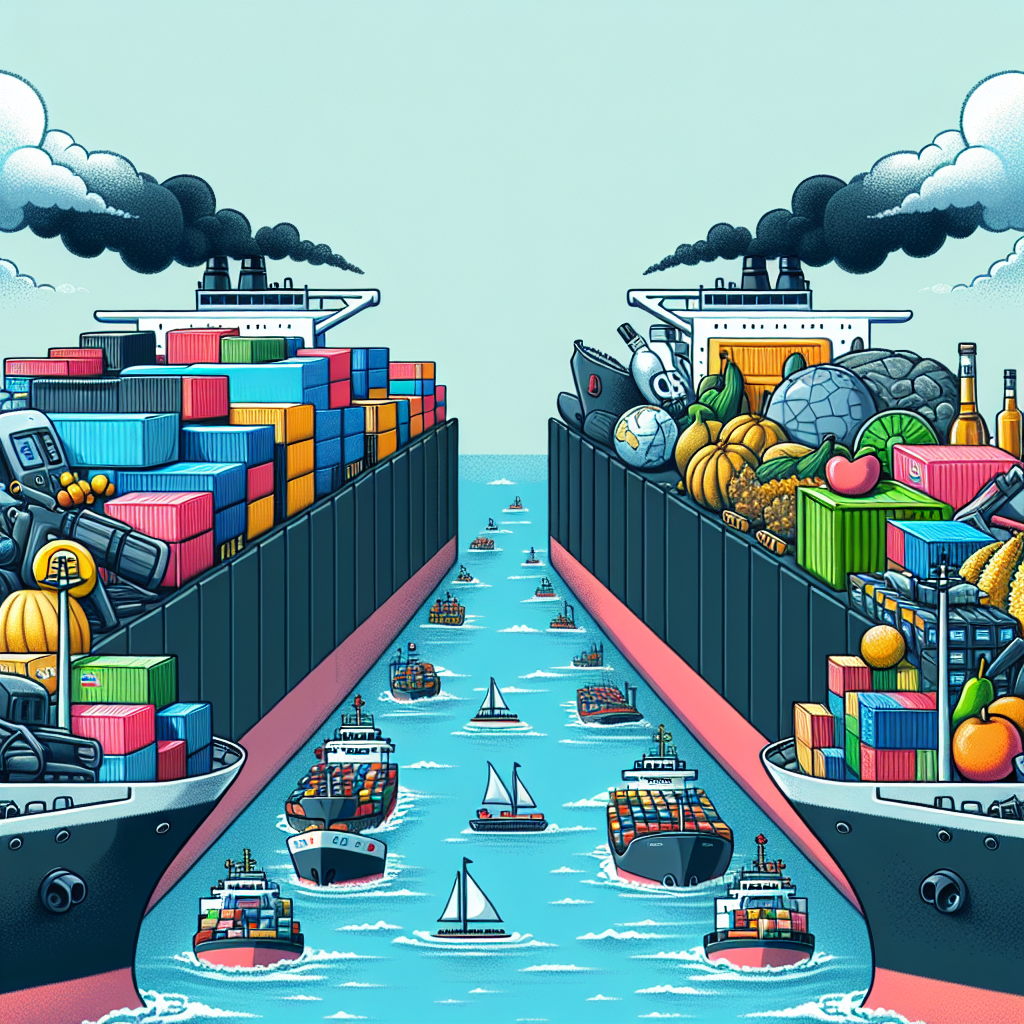
Global markets witnessed significant turbulence as the ongoing U.S.-China trade war escalated further on Wednesday. U.S. President Donald Trump initiated a 104% tariff on Chinese imports, prompting a swift response from Beijing that involved 84% duties on U.S. goods.
This trade conflict sparked a notable selloff in U.S. assets, with Treasury yields reaching a seven-week high amid increased trading volumes. Investors are worried that the economic tensions could usher in a recession, compelling the Federal Reserve to consider interest rate cuts.
Major stock indices displayed mixed performances as U.S. stocks saw slight gains, primarily driven by technology shares. Meanwhile, the declining dollar led to increased demand for gold and the Swiss franc, providing a safe haven for investors during these uncertain times in the global economy.
(With inputs from agencies.)
ALSO READ
Global Markets Rise as BOJ's Rate Hike Shakes Yen
Global Markets React to BOJ Rate Hike and Technology Surge
Global Markets Surge Amid Rate Hikes and Optimistic Tech Outlook
Global Markets Rally Amid AI Spending Concerns and Central Bank Meetings
Global Markets Stabilize: Inflation Eases and AI Sentiments Rebound


 Google News