



Trade Tensions Stir Asian Shift From U.S. Agricultural Imports
Asian buyers are reducing purchases of U.S. agricultural products due to increased freight costs and trade tensions induced by Washington's new fees on China-linked vessels. Despite historic reliance on U.S. goods, countries like Japan and South Korea are exploring alternative sourcing to mitigate risks.
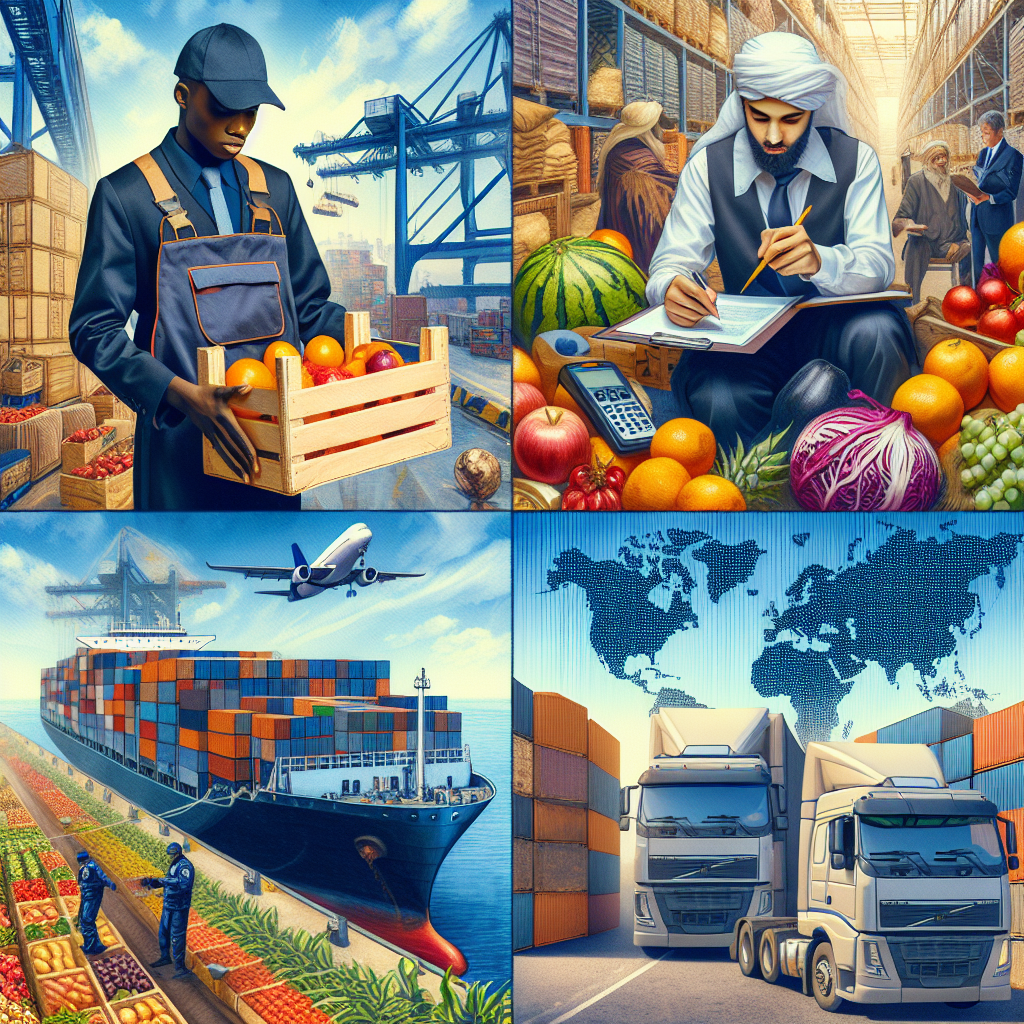
Asian buyers are stepping back from U.S. agricultural imports amid escalating trade tensions fueled by Washington's proposed fees on China-linked ships and comprehensive import duties. This uncertainty is unsettling markets and dampening demand for American products, notably affecting wheat, corn, and soybean exports to the region.
China, America's largest agricultural importer, has retaliated with 34% duties on U.S. goods, prompting significant Asian markets including Japan, South Korea, and Thailand to reconsider their purchasing strategies. President Donald Trump's initiative to bolster U.S. shipbuilding through port fees as high as $1.5 million on China-linked vessels is driving exporters to seek non-Chinese ships, thus inflating freight costs and inevitably decreasing demand.
The shipping challenges and trade war uncertainties are casting a pall over Chicago soybean and wheat futures, nearing multi-month lows. Given the increased shipping costs and trade unpredictability, many importers are opting out of U.S. products while nations like Japan and South Korea are exploring alternative suppliers in South America and the Black Sea region for grains and oilseeds.
(With inputs from agencies.)


 Google News