



Surge in Child Hunger as Violence in Eastern DRC Escalates, Affects 14.6 Million
Save the Children’s Country Director in DRC, Greg Ramm, condemned the current situation, calling it “a catastrophic escalation of hunger among children.”
- Country:
- Congo Dem Rep
The Democratic Republic of the Congo (DRC) is facing an alarming surge in child hunger, exacerbated by a violent escalation in the country’s eastern regions. According to Save the Children, the number of children experiencing crisis-level food insecurity in DRC has spiked by 50% this year, with 2.3 million more children now going without enough food. The situation is dire, with new data from the Integrated Food Security Phase Classification (IPC) revealing that from January to June 2025, 14.6 million children in DRC were affected, compared to 12.3 million in the same period last year. This represents nearly one-quarter of the country’s children living in food insecurity.
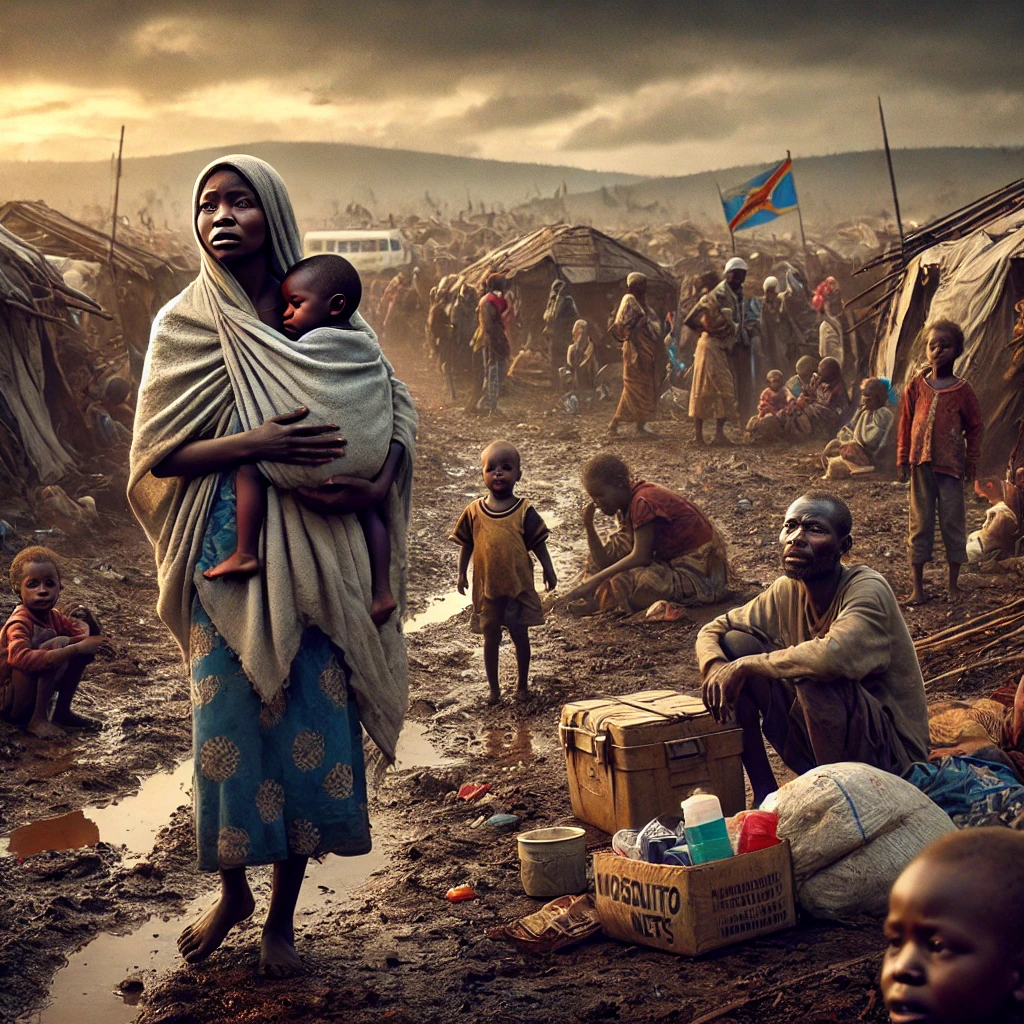
This alarming rise is primarily concentrated in the war-torn eastern provinces of Ituri, North Kivu, South Kivu, and Tanganyika, where the number of children facing food insecurity has increased by 47% compared to the previous year. These provinces have been hotspots for ongoing conflict, with clashes in North and South Kivu and escalating violence in Ituri causing widespread displacement. The current situation in DRC highlights a devastating combination of violence, displacement, and food scarcity, putting vulnerable children at severe risk of malnutrition and other health issues.
Violence and conflict continue to displace millions of people, disrupting access to food, healthcare, and basic services. Nearly 3 million people have been displaced in the past few months alone, with 6.4 million people currently living as internally displaced persons in DRC, according to the United Nations High Commissioner for Refugees (UNHCR). More than half of these displaced individuals are concentrated in the provinces of North and South Kivu, where violence has led to the largest humanitarian crisis.
Furaha, a 25-year-old mother of four from North Kivu, shared her harrowing experience of survival amidst the ongoing conflict. Forced to flee her home in 2024 due to escalating violence, Furaha and her family sought refuge in a displacement camp, only to see it dismantled. Left without a secure place to live, they now rely on the hospitality of a host family, struggling to feed themselves. “To meet my family’s needs, I wash clothes for families in need of these services, which allows me to find some food for my family, although it’s not enough,” she explained. Unfortunately, when there are no clients for her services, they go without food. This lack of nutrition has had severe consequences for her children, especially her two-year-old daughter, Grace, who has suffered from malnutrition twice.
The long-term effects of malnutrition are devastating, particularly for young children. Without proper nutrition, children face a higher risk of stunted growth, weakened immune systems, anemia, and cognitive delays. These children are also more vulnerable to diseases and infections. Furthermore, food insecurity has a profound impact on children’s ability to focus and learn, significantly hindering their educational development.
Save the Children’s Country Director in DRC, Greg Ramm, condemned the current situation, calling it “a catastrophic escalation of hunger among children.” He stressed the urgent need for international intervention to address the crisis and prevent further suffering, particularly for vulnerable children. "The ongoing violence in eastern DRC has displaced millions, leaving families without access to food, healthcare, and other essential services. The international community must take immediate action to address this crisis and prevent further suffering, especially among children," said Ramm.
Save the Children has been working in eastern DRC since 1994 and, through collaborations with 13 local partners, continues to provide critical support to affected communities. The organization is currently working on initiatives aimed at addressing the immediate nutritional needs of children, providing healthcare, improving water and sanitation facilities, offering education, and ensuring child protection. Despite these efforts, the scale of the crisis remains overwhelming.
The combination of ongoing conflict, displacement, and food insecurity has created a perfect storm for the children of DRC. With violence showing no signs of abating and food insecurity only set to worsen, the international community must step up and provide long-term support to ensure that these children receive the care, protection, and nutrition they need to survive and thrive.
The escalating hunger crisis in DRC calls for urgent action. Failure to address this situation will not only lead to more deaths and suffering but will also have far-reaching consequences for future generations. The children of DRC deserve a future free from hunger and violence, but that future can only be secured if immediate action is taken to end the conflict and address the dire humanitarian needs of the country.


 Google News