



Japan Faces Economic Challenges Amid US Tariff Showdown
Amid U.S. tariffs imposed by President Trump, Japan's economy is experiencing tensions as Prime Minister Shigeru Ishiba expressed disappointment. The measures include a 25% tariff on car imports, impacting Japan's auto industry. Japan debates potential retaliation while implementing support strategies for affected sectors.
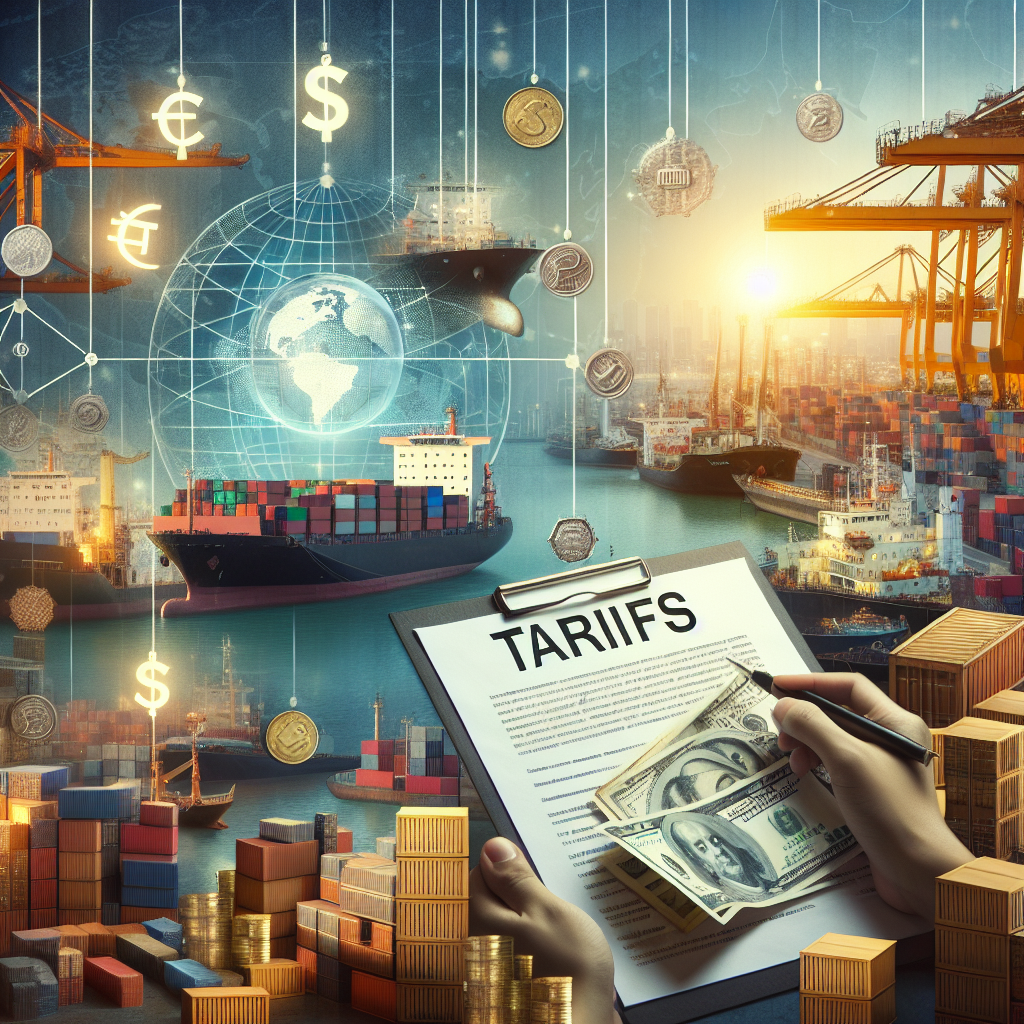
In a significant development, Japanese Prime Minister Shigeru Ishiba voiced his disappointment over the U.S.'s decision to enforce new tariffs, including a 25% tariff on car imports, which poses substantial challenges for Japan, a key ally. Despite diplomatic efforts, Japan was not granted an exemption from President Donald Trump's recent protectionist policies aimed at correcting a perceived trade imbalance.
The economic repercussions were swift with the Nikkei share average plummeting 2.77%, marking an eight-month low and erasing 18.7 trillion yen from the market. Experts warn that the tariffs could reduce Japan's GDP by 0.6% this year. In response, the Japanese government, led by Ishiba, announced plans to bolster domestic industries, including providing state-backed loans to small businesses affected by these tariffs.
Trade Minister Yoji Muto further conveyed discontent, citing illogical U.S. calculations of tariffs on the Japanese rice market, and promised a careful yet bold response. As Japan assesses the situation, questions remain about potential retaliatory steps against these U.S. trade policies, which are deemed inconsistent with World Trade Organisation agreements.
(With inputs from agencies.)


 Google News