



Gaza Crisis Deepens: Over 300 Children Killed in 10 Days Amid Renewed Fighting
Renewed Violence in Gaza Leaves Hundreds of Children Dead, Humanitarian Crisis Worsens Amid Aid Blockade.
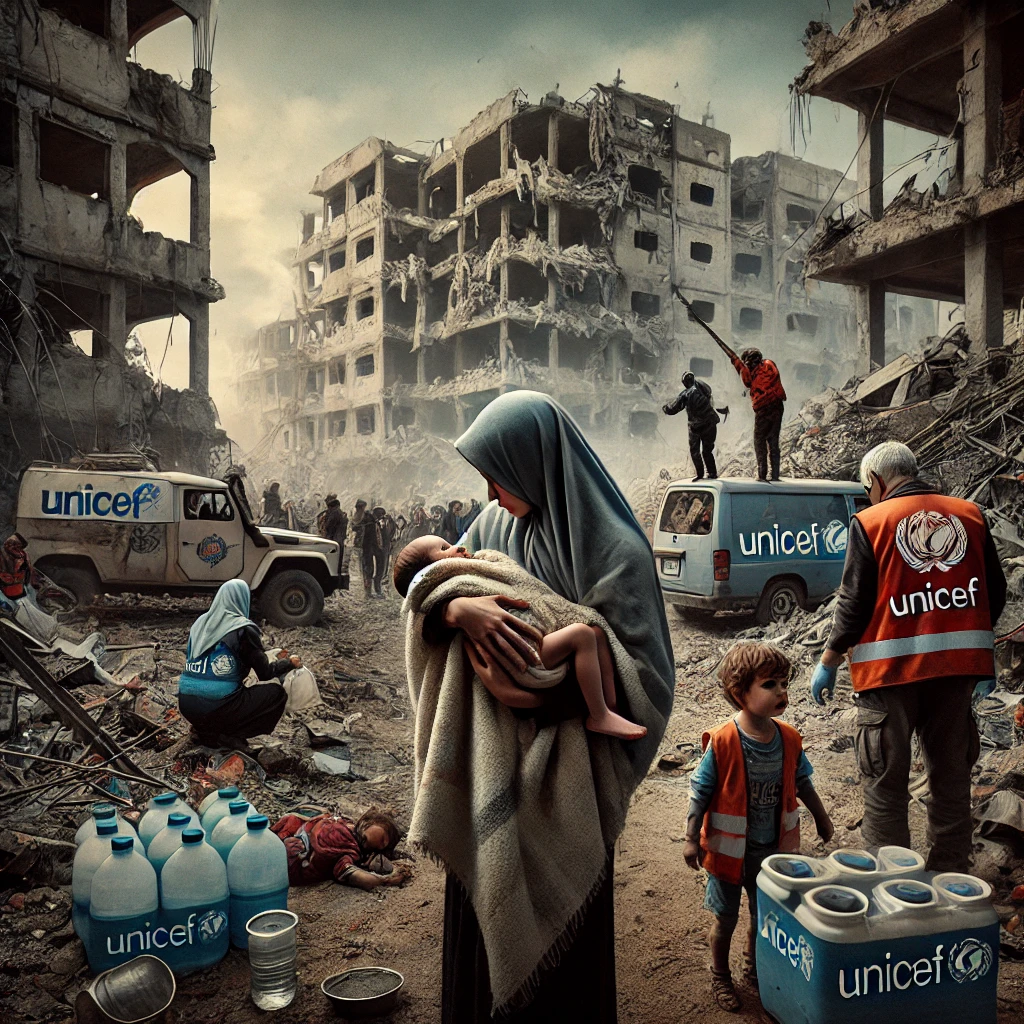
The breakdown of the temporary ceasefire in Gaza has plunged the region back into the depths of violence and devastation, with children bearing the heaviest toll. Over the past 10 days alone, at least 322 children have reportedly been killed and 609 more injured amid intensified bombardments and escalating ground operations, according to UNICEF and local health authorities.
This staggering death toll reflects a horrifying daily average of around 100 children killed or wounded. The vast majority of these casualties were children who had already been displaced multiple times, forced to take shelter in makeshift tents, overcrowded shelters, or partially destroyed homes. Among them were children receiving treatment at the surgical department of Al Nasser Hospital in southern Gaza, which was struck in an attack on March 23, reportedly causing multiple deaths and injuries.
The renewed hostilities come on the heels of what had been a brief and fragile ceasefire — one that had allowed for a trickle of humanitarian assistance and a semblance of hope for Gaza’s civilians. However, the return of relentless and often indiscriminate airstrikes, coupled with the complete blockade on humanitarian and commercial supplies since March 2, has brought the entire humanitarian response to the brink of collapse.
“The ceasefire in Gaza provided a desperately needed lifeline for Gaza’s children and hope for a path to recovery,” said UNICEF Executive Director Catherine Russell. “But children have again been plunged into a cycle of deadly violence and deprivation. All parties must adhere to their obligations under international humanitarian law to protect children.”
A Relentless Toll on Gaza’s Children
Since the war began nearly 18 months ago, more than 15,000 children are reported to have been killed, with an additional 34,000 injured. Nearly one million children — roughly half of Gaza’s population — have been displaced, many multiple times, enduring constant fear, trauma, and deprivation.
With critical infrastructure destroyed or severely damaged, access to clean water, electricity, healthcare, and education has been virtually eliminated in large parts of the Gaza Strip. In overcrowded shelters and informal camps, children are increasingly vulnerable to malnutrition, infectious diseases, and psychological trauma. The collapse of the healthcare system, further strained by the ongoing attacks and lack of medical supplies, has left hospitals overwhelmed and unable to provide even the most basic care.
“The situation for children in Gaza is not just a humanitarian emergency — it’s a catastrophe,” said Russell. “Without urgent access to food, clean water, and medical treatment, we are likely to see a surge in preventable deaths.”
Aid Blockade and Attacks on Humanitarian Workers
The ongoing blockade, now entering its fourth consecutive week, has been described by humanitarian organizations as the most severe since the onset of the conflict. Aid convoys have been denied entry, warehouses are empty, and fuel reserves have been exhausted. Water desalination plants and sewage systems have ceased operations, and bakeries and hospitals have shut down due to lack of supplies.
Humanitarian workers operating in Gaza face enormous risks. Over the course of the war, hundreds of aid workers have been killed or injured — often in clear violation of international humanitarian law. Recent attacks on humanitarian convoys and field hospitals have further disrupted efforts to deliver food, medical aid, and protection services to those in desperate need.
Despite these challenges, UNICEF and other organizations remain on the ground, committed to supporting children and their families. Emergency efforts include providing clean water, basic healthcare, psychosocial support, and child protection services — all under the constant threat of bombardment.
Urgent Calls for Action
UNICEF is once again calling on all parties to immediately cease hostilities and reinstate the ceasefire. Key demands include:
-
Immediate humanitarian access: Allow aid and commercial goods to enter and move freely across Gaza.
-
Evacuation of the sick and injured: Provide urgent medical access for children needing lifesaving care.
-
Protection of civilians and infrastructure: Stop attacks on schools, hospitals, water systems, and humanitarian workers.
-
Release of hostages: All detained civilians, including children, must be safely released.
-
International intervention: States with influence must act swiftly to de-escalate the conflict and ensure respect for international humanitarian law.
“The world must not stand by and allow the killing and suffering of children to continue,” said Russell. “It is a moral imperative that we protect the most vulnerable — and children are always the most vulnerable in conflict.”
As the humanitarian crisis in Gaza intensifies, time is running out. Without immediate and decisive action, the lives of thousands more children hang in the balance.


 Google News