



Trump Administration Tackles Foreign Trade Barriers with New Tariff Strategy
The Trump administration released a comprehensive report on foreign trade barriers, highlighting policies ranging from food safety regulations to renewable energy requirements affecting U.S. exports. In response, President Trump plans to implement reciprocal tariffs, matching foreign tariffs to counteract these barriers and support American businesses.
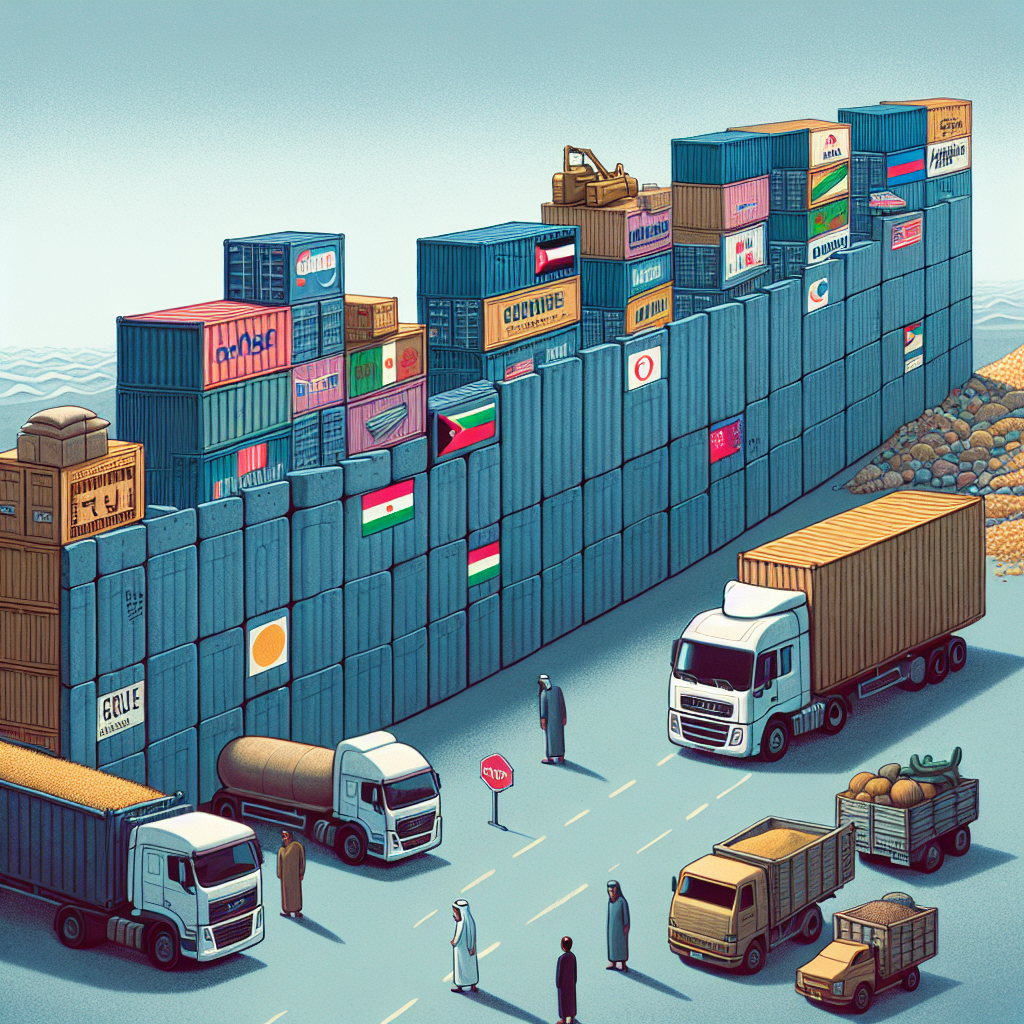
The Trump administration unveiled a detailed report this week, cataloging various trade barriers faced by American exporters. The report, published by the Office of the U.S. Trade Representative (USTR), identifies numerous foreign policies that hinder U.S. exports, such as strict food safety rules and renewable energy mandates.
In reaction, President Trump is preparing to announce a plan for reciprocal tariffs aimed at counterbalancing these barriers. This strategy is designed to align U.S. tariff rates with those of trading partners and confront non-tariff barriers that adversely affect American businesses. Last week, Trump imposed a 25% tariff on auto imports to bolster domestic production, albeit with potential price implications.
The USTR report, spanning 397 pages, underscores various international policies alongside concerns about digital taxes and carbon border mechanisms. The report suggests plans for collaboration with European counterparts regarding new regulations, such as recycled content mandates that could hinder U.S. exports. Longstanding trade issues, like Canada's dairy tariffs, are also expected to be addressed reciprocally under the new strategy.
(With inputs from agencies.)


 Google News