



ISA Debates Deep Sea Mining Amid Rising Environmental Concerns
The International Seabed Authority (ISA) will convene to discuss new regulations for deep sea mining, despite significant economic and environmental concerns. While some advocate for exploiting ocean floor minerals to support the energy transition, others warn of ecosystem damage. Hawaii and 27 other nations call for a temporary halt.
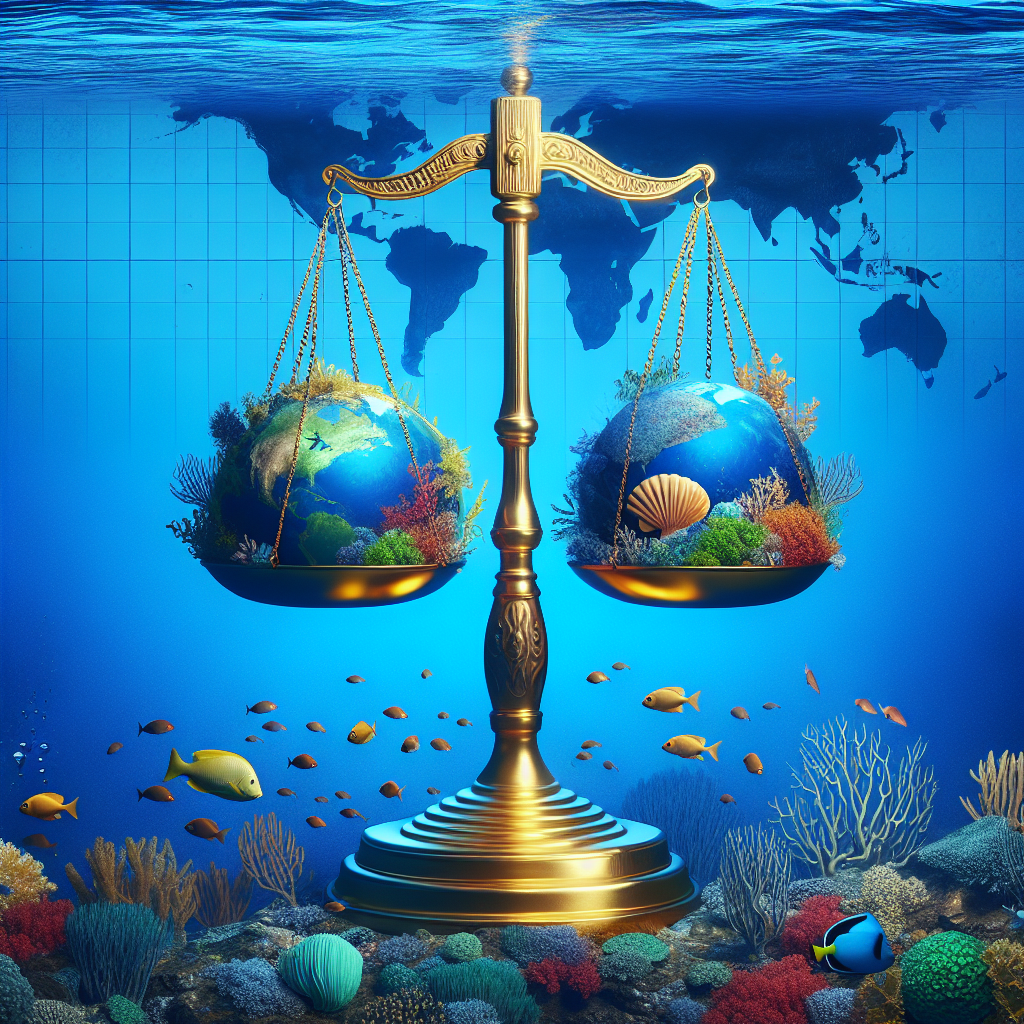
The International Seabed Authority (ISA) will convene on Monday to deliberate new regulations permitting firms to extract minerals from the ocean floor. This move faces mounting concerns regarding economic and environmental risks. Advocates argue that deep sea mining is essential for securing raw materials like cobalt and nickel, crucial for the global energy transition. Conversely, critics warn it could devastate ecosystems and disrupt migratory routes.
A total of 27 countries, including Hawaii, are advocating for a temporary halt in activities. Meeting in Kingston, Jamaica, until July 26, the 36-member ISA council will negotiate the latest draft of a "mining code". This code aims to regulate the exploration and extraction of "polymetallic nodules" and other deposits on the ocean floor. Pradeep Singh, an ocean governance specialist, noted the significant divisions among countries over the final text, emphasizing the need for thorough scrutiny.
Concerns extend beyond environmental risks and include clarity on how proceeds from deep sea mining will be shared. Nauru's expected mining license application later this year has expedited the push to finalize the regulations. The ISA's 168-member Assembly will also convene on July 29 to elect a secretary-general and discuss marine environment policies advocated by nine countries. Despite acknowledging the environmental impact, firms like The Metals Company argue that deep sea mining is less damaging than terrestrial mining and necessary for securing transition mineral supplies.
(With inputs from agencies.)


 Google News