



Secrets of a New Pope: Vatican Rituals Unveiled
The transition of popes in Vatican City involves complex rituals with historical significance. Roles such as the camerlengo, the conclave, and various Latin terms play pivotal parts in electing a new pope. Encompassing traditions include the fisherman's ring and the pope's final resting place alongside the symbolism of white and black smoke.
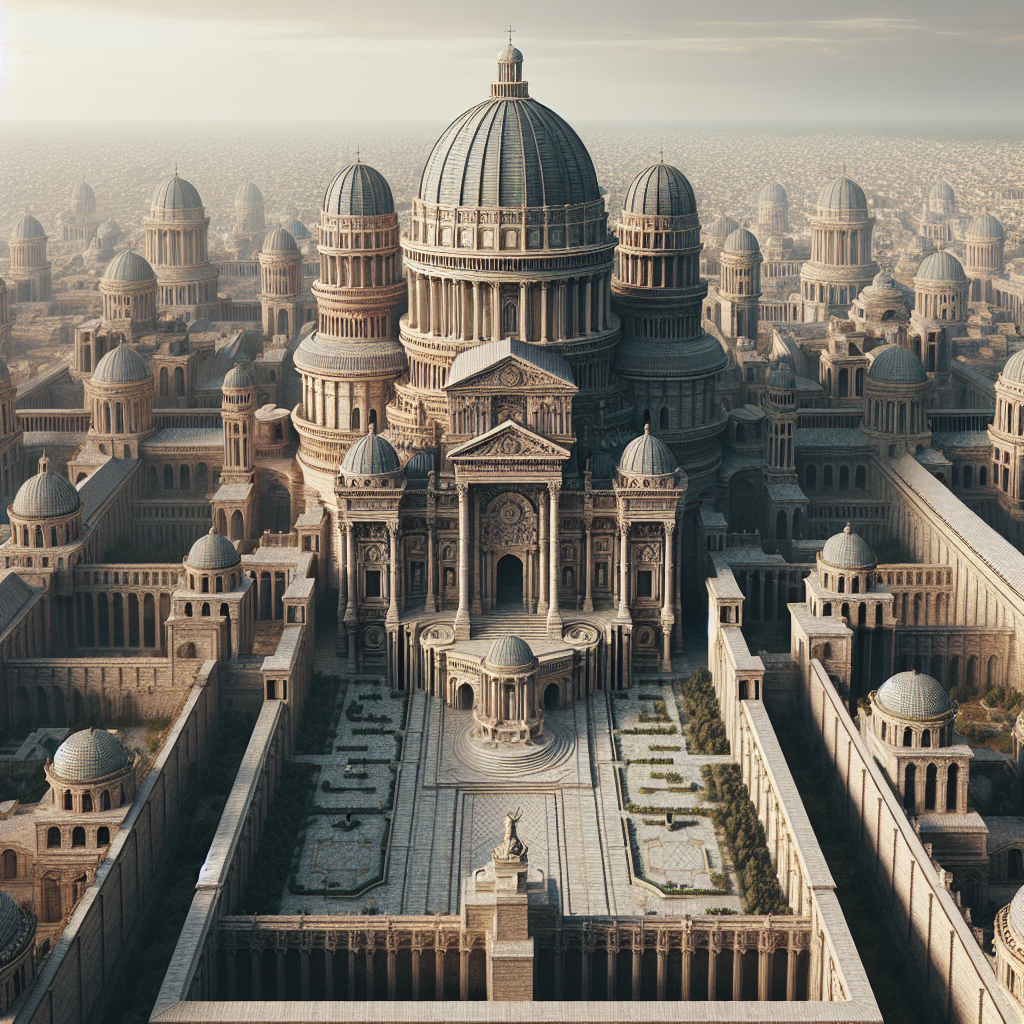
The transition of leadership in the Vatican involves intricate rituals and roles steeped in tradition. These ceremonies are key to the election of a new pope and maintain continuity in the Catholic Church's global influence.
Central to this process is the camerlengo, a cardinal responsible for verifying the pope's death and managing the Vatican's affairs until a new pope is elected. The current camerlengo is Cardinal Kevin Farrell. The College of Cardinals, consisting of 252 members, plays a crucial role during this interim period, with 135 cardinal electors gathering in a conclave to choose the new pope.
The conclave, held in the locked Sistine Chapel, follows centuries-old rituals, including the Latin proclamation 'extra omnes' which signals the beginning of the voting process. Throughout this transition, symbols such as the fisherman's ring are significant, representing the pope's spiritual leadership. Recent changes include the preservation of the ring as a symbolic annulment rather than its destruction. These rituals ensure a seamless transition, signaling the election to the world with white or black smoke.
(With inputs from agencies.)


 Google News