



Boeing's Plane Dilemma: A Tariff-Induced U-Turn
Boeing faces challenges as Chinese customers refuse new aircraft deliveries due to tariffs. CEO Kelly Ortberg confirmed the issue, redirecting planes to other markets. The trade tensions, sparked by retaliatory tariffs, particularly impact Boeing's 737 MAX. Negotiations and re-marketing are underway as the situation unfolds.
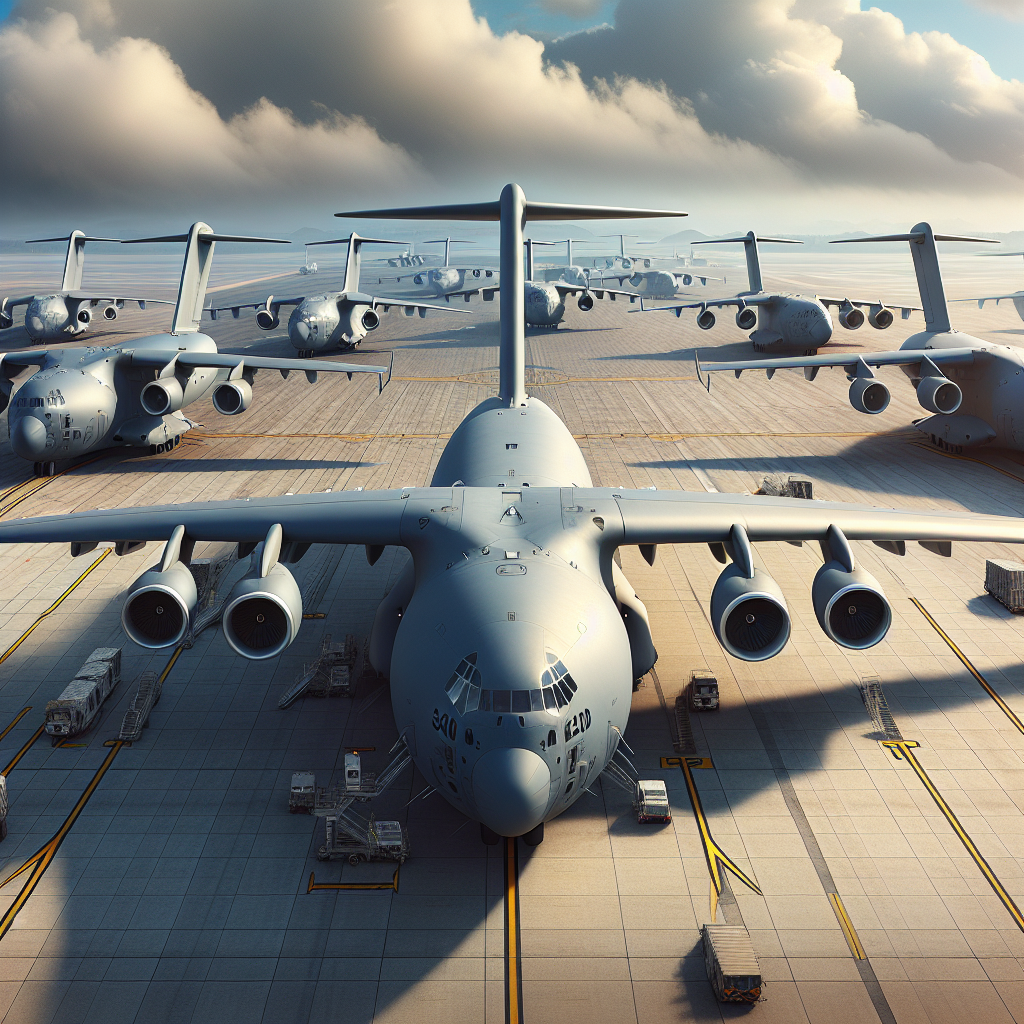
Boeing, one of the world's largest planemakers, is tackling a significant delivery issue as Chinese clients turn away new aircraft due to tariffs. CEO Kelly Ortberg revealed the challenge during a recent earnings call, emphasizing China's unique position in the matter.
The dispute stems from retaliatory tariffs that Beijing imposed following a global trade offensive initiated by President Donald Trump, which has impacted previously duty-free commercial jet exchanges. As a result, several Boeing jets, notably the 737 MAX models, are being rerouted back to the U.S. instead of reaching their intended Chinese destinations.
With about 10% of its aircraft backlog tied to China, Boeing is strategizing to re-market these planes or adjust production plans in response to changing customer needs. Despite potential for easing trade tensions, airline deliveries hang in the balance amid tariff confusion.
(With inputs from agencies.)
ALSO READ
China’s New Steel Export License To Curb Global Trade Backlash
India's External Sector Holds Steady Amidst Global Trade Volatility
The Weaponization of Global Trade: India's Strategic Navigation
China Champions Global Trade Multilateralism with UN Treaty
Vizhinjam Seaport Expansion Set to Boost Global Trade


 Google News