



Manmohan Singh: The Revolutionary Shift in India's Economy
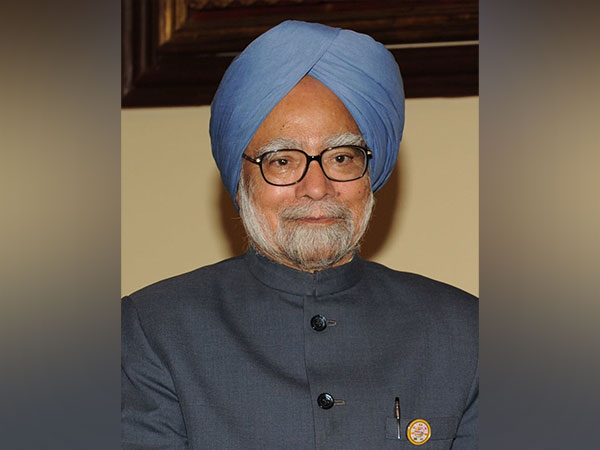
Lord Meghnad Desai hails Manmohan Singh as India's 'most revolutionary prime minister' for his role in liberalising the economy in 1991. Singh's reforms transformed India from a closed system to a market-driven economy, setting the stage for sustained economic growth. His impact is compared to China's growth rates.
- Country:
- India
Economist Lord Meghnad Desai recently commended the late Manmohan Singh, lauding him as India's 'most revolutionary prime minister' due to his pivotal economic reforms in 1991. Singh's liberalisation policies fundamentally reshaped the country's economy, driving it towards a more market-oriented model.
Addressing attendees at the launch of 'Telecom Wars: The Race to Capture a Billion Voices,' a book by journalist Deepali Gupta, Desai remarked on Singh's unique position as a key figure within India's establishment who catalyzed significant change during his tenure as finance minister. Primarily known for his moderate demeanor, Singh embraced transformation upon assuming ministerial control.
Desai attributed India's enduring economic growth trajectory post-1991 to Singh and then-Prime Minister PV Narasimha Rao. Meanwhile, Gupta's book highlights strategic leaps in India's telecom sector, illustrating the immense impact of technological advancement on the nation's global economic aspirations.
(With inputs from agencies.)


 Google News