



India's Manufacturing Leap: Aiming for Economic Transformation
Finance Minister Nirmala Sitharaman announced plans to bolster India's manufacturing sector from 12% to 23% of GDP in the next two decades. This initiative targets sunrise sectors like semiconductors and renewable energy, aiming to generate jobs, reduce import dependencies, and drive economic growth.
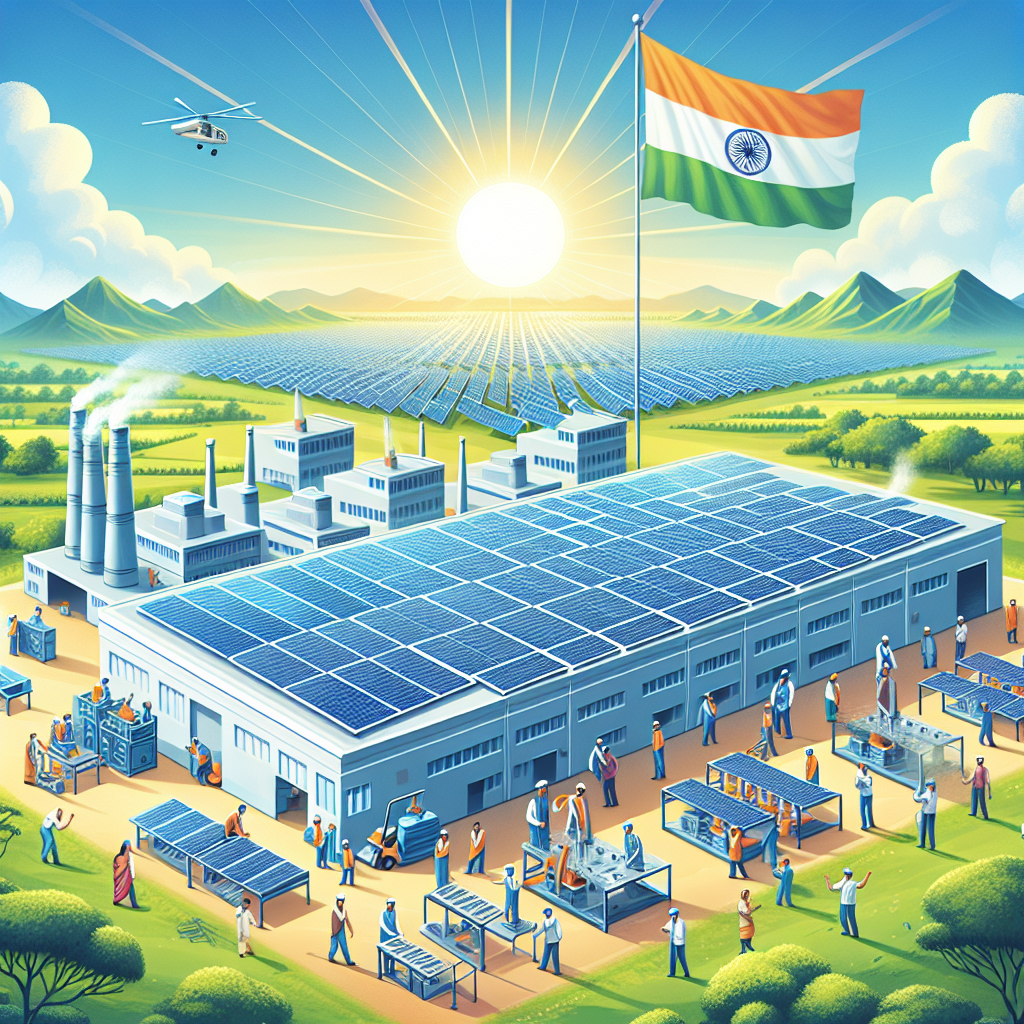
India aims to nearly double its manufacturing sector's share of GDP from 12% to 23% in the next two decades, Finance Minister Nirmala Sitharaman announced at Stanford University's Hoover Institution. This ambitious plan seeks to create jobs and bolster economic growth by focusing on 14 key sunrise sectors, including semiconductors and renewable energy components.
Sitharaman highlighted the need to scale up manufacturing to absorb India's youthful workforce, reduce import dependencies, and establish competitive global supply chains. Despite the service sector's strong contribution to GDP, the gig economy's swift growth underscores the necessity of strengthening manufacturing's role.
The government has introduced the production-linked incentive (PLI) scheme to promote sectors with high employment potential, like electronic goods and textiles. Sitharaman emphasized that manufacturing has historically driven economic transformation by fostering infrastructure development, skilling, and governance reforms.
(With inputs from agencies.)
ALSO READ
Ladakh's Development Journey: Renewable Energy, Infrastructure, and Tourism
Diplomatic Chips: China and NXP Semiconductors Meeting
Cyient Semiconductors Expands with Kinetic Technologies Stake
KP Group Pioneers Leadership in India's Renewable Energy Sector
Odisha's Ascent: From Pharmaceutical Powerhouse to Renewable Energy Pioneer


 Google News