



Trump's Trade War Clouds U.S. Airlines' Horizon
President Trump's trade war introduces the biggest challenge for U.S. airlines since COVID-19, creating uncertainty in forecasting business trends. Airlines are implementing cost management strategies amid economic slowdown fears. A potential recession could further impact revenue, pushing carriers to avoid drastic operational changes.
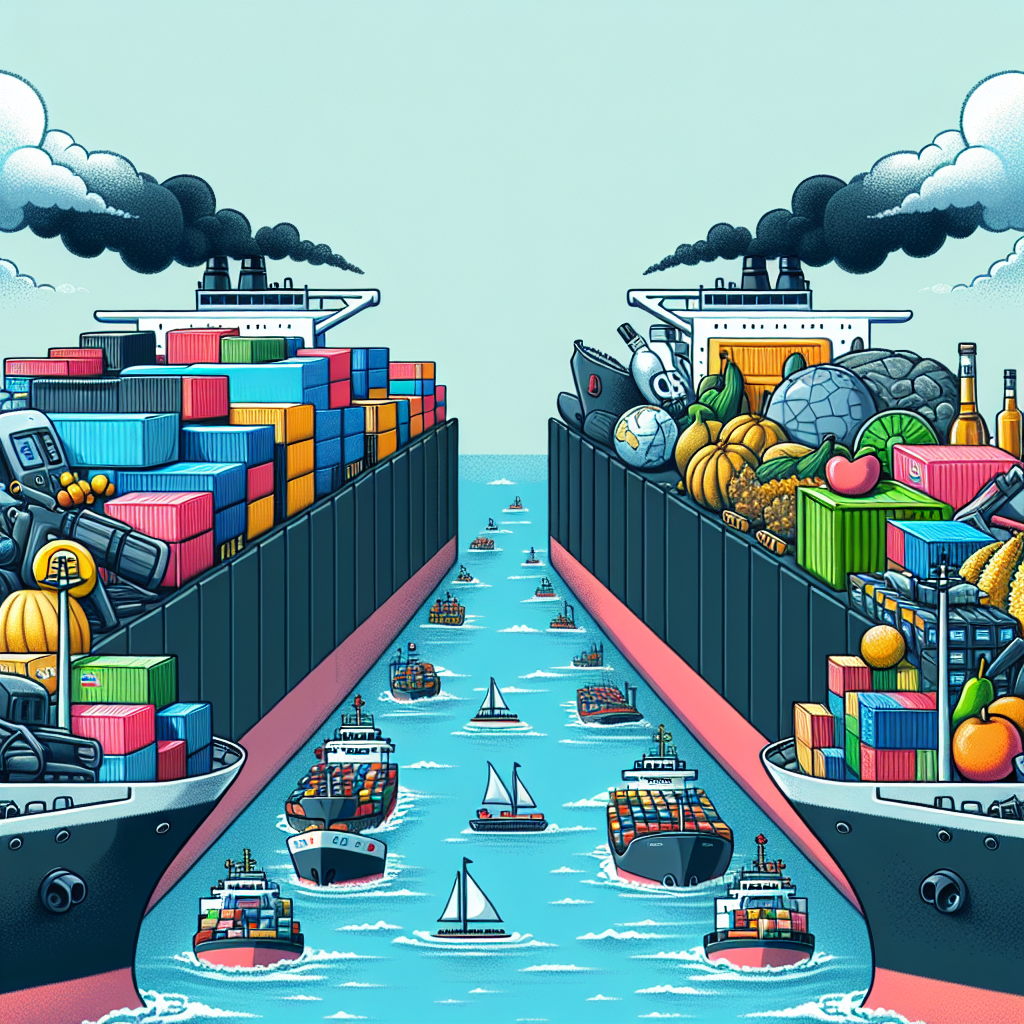
President Donald Trump's trade war has generated unprecedented uncertainty for U.S. airlines, marking the most significant challenge since the COVID-19 pandemic. As the economy faces potential deterioration, carriers are grappling with predicting consumer behavior and business trajectories.
Major airlines like Delta Air Lines and Frontier have pulled back their full-year outlooks, while United Airlines has posed two varied earnings forecasts, reflecting industry ambivalence. Economists warn that U.S. tariff policies could precipitate a notable economic slowdown, with recession probabilities rising dramatically to 45%.
As travel demand aligns with economic fluctuations, airlines brace for reduced revenue. While they are wary of severe adjustments that might benefit competitors, they are focusing on cost management and strategic capacity changes to navigate the uncertain landscape.
(With inputs from agencies.)
ALSO READ
Bondi Beach Rebounds: A Community United Against Hate
UnitedHealth's Overhaul: Automation and Standardization Amidst Audit Findings
Waaree Energies' $30 Million Investment in United Solar Holding
World Bank urges people-centered strategy to secure Viet Nam’s Mekong Delta future
Women's Outrage: United Protest in Kolkata Against Nitish Kumar's Actions


 Google News