



The Federal Reserve's Balancing Act: Navigating Economic Uncertainty
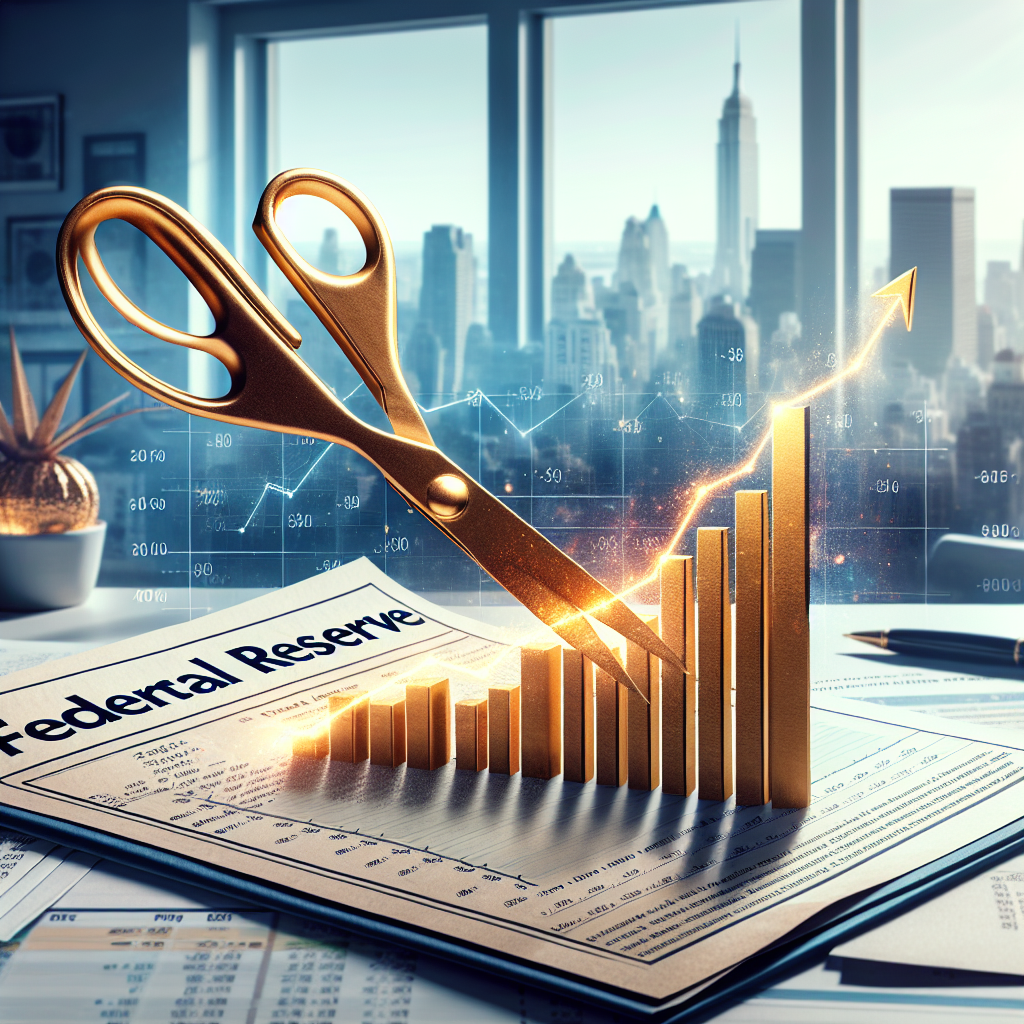
The Federal Reserve is likely to indicate potential interest rate cuts this year amid significant economic changes. Previously deemed positive due to declining inflation, these cuts might offset economic struggles from tariffs and spending cuts. Consumer sentiment and business outlook have worsened amidst rising inflation concerns.
- Country:
- United States
As the economy faces potential upheavals, the Federal Reserve is expected to signal a possible reduction in its key interest rate twice this year. However, the driving reasons behind these cuts could shift dramatically, contingent on the economy's performance amidst widespread tariffs and fluctuating government spending.
Initially viewed as positive news with inflation easing towards the Fed's 2% target, these rate reductions might now address economic troubles fueled by tariffs and increased economic uncertainty. At the end of last year, the Fed adjusted its rate from 5.3% to 4.3% to combat inflation, which saw a temporary decline before resurging slightly in recent months.
Consumer sentiment has dipped sharply over concerns of rising inflation, while small businesses face a murky economic future. Retailers warn of cautious consumer spending, and homebuilders anticipate costlier construction. Economists predict slower growth, potentially complicating the Fed's strategy to manage rates amid evolving inflationary pressures.
(With inputs from agencies.)
ALSO READ
Carpets and Consequences: How US Tariffs Unraveled Bhadohi's Legacy
Economic Ripples: Tariffs and the American Price Surge
China Challenges India's ICT Tariffs and Solar Subsidies at WTO
Holiday Discounts and Tariffs Influence CPI Amid Shutdown Disruptions
China Slashes EU Pork Tariffs Amid Ongoing Trade Disputes


 Google News